This brightening treatment is formulated around Glycolic Acid and Arbutin to fade the look of dark spots and refine skin texture.
This brightening treatment is formulated around Hydroquinone and Glycolic Acid to fade the look of dark spots and refine skin texture.

What's inside
What's inside
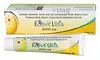 Key Ingredients
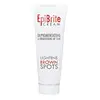
Benefits
Concerns
Ingredients Side-by-side
Allantoin
Skin Conditioning




BHT
Antioxidant
BHA
Antioxidant
Disodium EDTA
ChelatingDipotassium Glycyrrhizate 40%
Humectant
Methylparaben
Preservative



Propylparaben
Preservative
C13-14 Isoparaffin
Emollient
Parfum
Masking



Water
Skin ConditioningSodium Hydroxide
BufferingTetrahydrocurcumin
Antioxidant
Ethylhexyl Methoxycinnamate
UV Absorber
Niacinamide
Smoothing







Propylene Glycol
Humectant
Cetearyl Alcohol
Emollient



Glycolic Acid 70%
Buffering

Dimethicone
Emollient
Isopropyl Myristate
Emollient
Kojic Dipalmitate
Emollient
Aloe Barbadensis Leaf Juice
Skin Conditioning
Arbutin
Antioxidant
PEG-10 Glyceryl Stearate
Emulsifying
Isopropyl Palmitate
Emollient
PEG-9 Oliveate
EmulsifyingMorus Alba Extract
AstringentTocopheryl Acetate
Antioxidant
Paraffin
Skin Conditioning
Allantoin, BHT, BHA, Disodium EDTA, Dipotassium Glycyrrhizate 40%, Methylparaben, Propylparaben, C13-14 Isoparaffin, Parfum, Water, Sodium Hydroxide, Tetrahydrocurcumin, Ethylhexyl Methoxycinnamate, Niacinamide, Propylene Glycol, Cetearyl Alcohol, Glycolic Acid 70%, Dimethicone, Isopropyl Myristate, Kojic Dipalmitate, Aloe Barbadensis Leaf Juice, Arbutin, PEG-10 Glyceryl Stearate, Isopropyl Palmitate, PEG-9 Oliveate, Morus Alba Extract, Tocopheryl Acetate, Paraffin
Kojic Dipalmitate
Emollient
Hydroquinone
Stabilising
Glycolic Acid
Buffering
Gluconolactone
Chelating
Water
Skin ConditioningEDTA
ChelatingDisodium EDTA
ChelatingPropylene Glycol
Humectant
Glyceryl Stearate
Emollient
PEG-100 Stearate
Surfactant
Glycerin
Humectant
Cetearyl Alcohol
Emollient
Stearyl Alcohol
Emollient
Sodium Sulfite
Preservative
Cyclomethicone
Emollient
Hydroxyethyl Acrylate/Sodium Acryloyldimethyl Taurate Copolymer
Emulsion StabilisingPhenoxyethanol
Preservative
Parfum
Masking
Kojic Dipalmitate, Hydroquinone, Glycolic Acid, Gluconolactone, Water, EDTA, Disodium EDTA, Propylene Glycol, Glyceryl Stearate, PEG-100 Stearate, Glycerin, Cetearyl Alcohol, Stearyl Alcohol, Sodium Sulfite, Cyclomethicone, Hydroxyethyl Acrylate/Sodium Acryloyldimethyl Taurate Copolymer, Phenoxyethanol, Parfum
Ingredients Explained
These ingredients are found in both products.
Ingredients higher up in an ingredient list are typically present in a larger amount.
Cetearyl alcohol is a waxy mixture of two fatty alcohols: cetyl alcohol and stearyl alcohol. It is an emollient and emulsifier.
Despite having "alcohol" in its name, it has nothing to do with drying solvent alcohols; the FDA also allows "alcohol-free" products to contain fatty alcohols like this ingredient.
It plays several roles in a formula:
Typical use levels for this ingredient sit around 1-10% and the Cosmetic Ingredient Review Expert Panel has affirmed safety at concentrations up to 25% in leave-on products.
Multiple assessments have found it to be non-irritating and non-sensitizing to most people.
However, there have been some cases of allergic contact dermatitis in patients with chronically compromised skin barriers.
Cetearyl alcohol has a comedogenic rating of 2 and irritancy rating of 1. Both of these numbers come from the 1989 study that used rabbit ears; a "2" means mildly comedogenic and a "1" means low irritancy.
Here's the catch: rabbit skin is more sensitive than human skin and throws a lot of false positives. A 1996 reappraisal found that ingredients rated 1-2 in the rabbit ear tests are generally safe for humans.
Remember comedogenic ratings are unable to assess the entire formula of a product or how it will react on your skin. Just be sure to patch test if you are unsure about certain ingredients.
This ingredient is not fungal acne safe. Cetearyl alcohol is a fatty alcohol with chain lengths that fall within the range that Malassezia can metabolize.
A 2019 study has also observed Malassezia growth in the presence of this ingredient, confirming it to be not-fungal acne safe.
Learn more about Cetearyl AlcoholDisodium EDTA is a chelating agent. It grabs onto and deactivates metal ions that sneak into your products from water, packaging, or air.
This ingredient mainly works behind the scenes and helps with:
On top of that, this ingredient can counteract the effects of hard water by binding to the minerals in it.
One thing worth knowing is that Disodium EDTA has been shown to be a mild penetration enhancer. It can help other ingredients absorb into skin more effectively which can be a double-edged sword (great for actives, but can also make the active too strong if you have sensitive skin).
Clinical patch testing showed no significant skin irritation at typical use concentrations and minimal dermal absorption.
You'll most likely see this ingredient near the end of an ingredient list. It's typically found in concentrations less than 1%.
Learn more about Disodium EDTAGlycolic Acid is arguably the most famous alpha hydroxy acid (AHA) with tons of research backing its benefits.
It is found naturally in sugar cane but the form used in skincare is usually synthetic for purity and stability.
Glycolic acid removes the top layer of dead skin cells to allow newer and fresher ones to emerge.
AHAs work by breaking down the structural “glue” that holds old skin cells in place. When that buildup is gone, your skin can renew itself more efficiently.
Research also shows glycolic acid stimulates collagen production, helping to firm and thicken the skin over time. This is one of its biggest advantages over other AHAs.
Overall, glycolic acid helps with:
Fun fact: Glycolic acid boosts skin hydration by helping it produce molecules that increase hyaluronic acid naturally.
To work best, glycolic acid products should have a pH between 3-4 (that’s where exfoliation is most effective but still gentle on skin).
The pH and concentration of a product are key to its effectiveness:
It is normal to feel a slight stinging sensation when using glycolic acid. This usually fades as your skin adjusts.
Because glycolic acid has the smallest molecular size in the AHA family, it can penetrate deeper, which enhances its effectiveness but also makes it more likely to irritate sensitive skin.
If your skin is very sensitive or prone to rosacea, glycolic acid may be too strong; in that case, try milder options like lactic acid or a PHA instead.
Recent studies suggest glycolic acid might even help protect against UV damage. But don’t skip sunscreen! Freshly exfoliated skin is more sensitive to the sun.
Glycolic acid is a skincare superstar. It smooths, brightens, hydrates, and firms the skin. Unless you’re highly sensitive, it’s well worth adding to your routine.
Read more about some other popular AHA's here:
Learn more about Glycolic AcidKojic Dipalmitate is an oil-soluble ester of Kojic Acid. It was created by bonding Kojic Acid with two Palmitic Acid chains to solve the instability of regular Kojic Acid.
This ingredient is able to stay stable across a wide pH range (~3-10) and easier to work with in formulations.
On the skin, the enzymes found in our skin cells break down this ingredient to release kojic acid where it then gets to work inhibiting melanin production. This makes it popular in products that target hyperpigmentation, dark spots, melasma, and uneven skin tone.
You'll typically see this ingredient used in concentrations between 0.4 - 4%. Research has shown it can be more effective when combined with ingredients like Acetyl Glucosamine, Alpha Arbutin, or Vitamin C.
Because Kojic Dipalmitate is lipophilic (fat-loving), it is usually incorporated into the oil phase of a formulation and functions as a mild emollient. It is also considered more gentle than kojic acid because it doesn't directly form hydrogen bonds with skin proteins in the same way,
However, be sure to patch test this ingredient if you have sensitivities to Kojic Acid or Palmitic Acid.
Due to the Palmitic Acid, this ingredient may not be fungal acne safe.
Learn more about Kojic DipalmitateParfum is a catch-all term for an ingredient or more that is used to give a scent to products.
Also called "fragrance", this ingredient can be a blend of hundreds of chemicals or plant oils. This means every product with "fragrance" or "parfum" in the ingredients list is a different mixture.
For instance, Habanolide is a proprietary trade name for a specific aroma chemical. When used as a fragrance ingredient in cosmetics, most aroma chemicals fall under the broad labeling category of “FRAGRANCE” or “PARFUM” according to EU and US regulations.
The term 'parfum' or 'fragrance' is not regulated in many countries. In many cases, it is up to the brand to define this term.
For instance, many brands choose to label themselves as "fragrance-free" because they are not using synthetic fragrances. However, their products may still contain ingredients such as essential oils that are considered a fragrance by INCI standards.
One example is Calendula flower extract. Calendula is an essential oil that still imparts a scent or 'fragrance'.
Depending on the blend, the ingredients in the mixture can cause allergies and sensitivities on the skin. Some ingredients that are known EU allergens include linalool and citronellol.
Parfum can also be used to mask or cover an unpleasant scent.
The bottom line is: not all fragrances/parfum/ingredients are created equally. If you are worried about fragrances, we recommend taking a closer look at an ingredient. And of course, we always recommend speaking with a professional.
Learn more about ParfumPropylene Glycol is a synthetic, colorless, odorless liquid that has been a staple in cosmetics for decades. It is a skin conditioning agent, humectant, and solvent.
As a humectant, it draw water to the skin to reduce flaking and restore suppleness. It's also a solvent that helps dissolve other actives and keeps formulas stable across temperature changes.
The CIR Expert Panel has confirmed this ingredient to be nontoxic and clinical studies show no sensitization at cosmetic use concentrations.
True allergic reactions are quite rare: a 15-year retrospective study of 6,751 patients found only 0.31% had a positive reaction (and less than half were considered clinically relevant).
It seemed that when sensitization does occur, it's most commonly linked to topical medication (like corticosteroids) and not cosmetics. Allergic contact dermatitis also appears largely limited to individuals with underlying skin conditions.
Overall, propylene glycol is a well-studied ingredient that most people can tolerate without issue.
Learn more about Propylene GlycolWater. It's the most common cosmetic ingredient of all. You'll usually see it at the top of ingredient lists, meaning that it makes up the largest part of the product.
So why is it so popular? Water most often acts as a solvent - this means that it helps dissolve other ingredients into the formulation.
You'll also recognize water as that liquid we all need to stay alive. If you see this, drink a glass of water. Remember to stay hydrated!
Learn more about Water

