This brightening toner is formulated around Ascorbyl Glucoside and Dipotassium Glycyrrhizate to brighten dull-looking skin and fade the look of dark spots.
This brightening toner is formulated around 3-O-Ethyl Ascorbic Acid and Dipotassium Glycyrrhizate to brighten dull-looking skin and fade the look of dark spots.

What's inside
What's inside
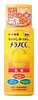 Key Ingredients
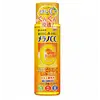
Benefits
Concerns
Ingredients Side-by-side
Ascorbyl Glucoside
Antioxidant




Dipotassium Glycyrrhizate
Humectant

Ascorbic Acid
Antioxidant

Citrus Limon Fruit Extract
Masking
Citrus Grandis Fruit Extract
Astringent
Alpinia Zerumbet Seed Extract
Antimicrobial
Glycerin
Humectant

Butylene Glycol
Humectant
Pentylene Glycol
Skin Conditioning
Isopentyldiol
Humectant
Tricaprylin
Perfuming
Sorbitan Stearate
Emulsifying

Cetearyl Alcohol
Emollient




Polysorbate 60
Emulsifying
Beheneth-5
EmulsifyingParaffinum Liquidum
Emollient
Dimethicone
Emollient
Potassium Hydroxide
BufferingPhenoxyethanol
Preservative
Behenyl Alcohol
Emollient
Sodium Citrate
BufferingAcrylates/C10-30 Alkyl Acrylate Crosspolymer
Emulsion StabilisingXanthan Gum
EmulsifyingEDTA
ChelatingHydroxyethylcellulose
Emulsion StabilisingCitric Acid
Buffering
Water
Skin ConditioningParfum
Masking
Ascorbyl Glucoside, Dipotassium Glycyrrhizate, Ascorbic Acid, Citrus Limon Fruit Extract, Citrus Grandis Fruit Extract, Alpinia Zerumbet Seed Extract, Glycerin, Butylene Glycol, Pentylene Glycol, Isopentyldiol, Tricaprylin, Sorbitan Stearate, Cetearyl Alcohol, Polysorbate 60, Beheneth-5, Paraffinum Liquidum, Dimethicone, Potassium Hydroxide, Phenoxyethanol, Behenyl Alcohol, Sodium Citrate, Acrylates/C10-30 Alkyl Acrylate Crosspolymer, Xanthan Gum, EDTA, Hydroxyethylcellulose, Citric Acid, Water, Parfum
3-O-Ethyl Ascorbic Acid
Skin Conditioning
Dipotassium Glycyrrhizate
Humectant
Ascorbic Acid
Antioxidant
Citrus Grandis Fruit Extract
Astringent
Citrus Limon Fruit Extract
Masking
Menthol
Masking

Alpinia Katsumadai Seed Extract
Skin ConditioningButylene Glycol
Humectant
Alcohol Denat.
Antimicrobial
Glycerin
Humectant
PPG-10 Methyl Glucose Ether
Skin ConditioningSilicon
Abrasive
Acrylates/Dimethicone Copolymer
Skin Conditioning
Dipropylene Glycol
HumectantPEG/PPG-18/18 Dimethicone
Emulsifying
Dimethicone
Emollient
Methyl/Phenyl Polysilsesquioxane
Bis-Ethoxydiglycol Cyclohexane 1,4-Dicarboxylate
EmollientPPG-6-Decyltetradeceth-12
EmulsifyingSodium Paraben
Preservative
Sodium Citrate
BufferingCitric Acid
Buffering
Xanthan Gum
EmulsifyingDisodium EDTA
ChelatingParfum
Masking
3-O-Ethyl Ascorbic Acid, Dipotassium Glycyrrhizate, Ascorbic Acid, Citrus Grandis Fruit Extract, Citrus Limon Fruit Extract, Menthol, Alpinia Katsumadai Seed Extract, Butylene Glycol, Alcohol Denat., Glycerin, PPG-10 Methyl Glucose Ether, Silicon, Acrylates/Dimethicone Copolymer, Dipropylene Glycol, PEG/PPG-18/18 Dimethicone, Dimethicone, Methyl/Phenyl Polysilsesquioxane, Bis-Ethoxydiglycol Cyclohexane 1,4-Dicarboxylate, PPG-6-Decyltetradeceth-12, Sodium Paraben, Sodium Citrate, Citric Acid, Xanthan Gum, Disodium EDTA, Parfum
Reviews
Ingredients Explained
These ingredients are found in both products.
Ingredients higher up in an ingredient list are typically present in a larger amount.
Ascorbic Acid is is pure Vitamin C and is the biologically active form used directly by skin.
Not only is vitamin C great for your overall health and immune system, but it also has plenty of benefits for your skin. It is best supported by academic literature for:
Topical vitamin C has been shown to help neutralize oxidative stress from UV and pollution, helping to improve photoaging and hyperpigmentation when used consistently.
One clinical study found that using 5% topical vitamin C for six months improved signs of photodamaged skin, both on the surface and in the deeper structural layers of the skin.
While vitamin C doesn’t replace sunscreen, studies show it can boost photoprotection when combined with Vitamin E and ferulic acid. These two ingredients help improve stability and protective effects.
The big downside of this ingredient is formulation difficulty. Vitamin C is prone to oxidation and doesn't penetrate the skin unless formulated correctly. Research found that vitamin C absorbs into the skin best at a low pH (< 3.5) with about 20% being the upper limit for effective absorption.
Skin levels can saturate after repeated application; this means your skin won’t keep absorbing more once it’s full of vitamin C. This is why more isn’t always better with vitamin C and why very high concentrations don’t necessarily give extra benefits.
Ascorbic acid generally works well with many skincare ingredients but can be irritating when combined with other active ingredients. Strong oxidizing acne treatments like benzoyl peroxide can reduce the effectiveness of vitamin C if they are used at the same time; they are often recommended for use at different times of day.
Read more about other types of Vitamin C:
Foods rich with vitamin C include oranges, strawberries, broccoli, bell peppers, and more. When consuming Vitamin C, your skin receives a portion of the nutrients.
Learn more about Ascorbic AcidButylene Glycol (or BG) is used within cosmetic products for a few different reasons:
Overall, Butylene Glycol is a safe and well-rounded ingredient that works well with other ingredients.
Though this ingredient works well with most skin types, some people with sensitive skin may experience a reaction such as allergic rashes, closed comedones, or itchiness.
Learn more about Butylene GlycolCitric Acid is an alpha hydroxy acid (AHA) naturally found in citrus fruits like oranges, lemons, and limes.
Like other AHAs, citric acid can exfoliate skin by breaking down the bonds that hold dead skin cells together. This helps reveal smoother and brighter skin underneath.
However, this exfoliating effect only happens at high concentrations (20%) which can be hard to find in cosmetic products.
Due to this, citric acid is usually included in small amounts as a pH adjuster. This helps keep products slightly more acidic and compatible with skin's natural pH.
In skincare formulas, citric acid can:
While it can provide some skin benefits, research shows lactic acid and glycolic acid are generally more effective and less irritating exfoliants.
Most citric acid used in skincare today is made by fermenting sugars (usually from molasses). This synthetic version is identical to the natural citrus form but easier to stabilize and use in formulations.
Rosacea skin has a lower threshold for acids generally, with 62.5% of rosacea subjects in one study reacting to lactic acid in a sting test. This is why we mark citric acid as a potential rosacea trigger.
However, this ingredient shows up as a pH adjuster or chelator at roughly 0.1-1% in many products. These low levels are unlikely to be an issue for rosacea skin and becomes a potential trigger at exfoliating concentrations (20%). Because everybody's skin is unique, we recommend a patch test if you are unsure.
Learn more about Citric AcidThis ingredient is also known as grapefruit or citricidal extract. It has perfuming and astringent properties.
Astringents shrinks tissue by drawing water out of your skin. This leads to a temporary tightening effect in the skin.
Citrus Limon Fruit Extract comes from lemons. While lemon extract is exfoliating and antimicrobial, it can also cause skin sensitivity.
Lemons contains antioxidants, which may help with anti-aging. They are also rich in citric acid, an AHA.
And of course, lemons are rich in Vitamin C. Vitamin C helps with skin-brightening and increasing collagen production.
The acidity of lemons may work as an astringent for acne.
However, lemons can also cause skin sensitivity due to its limonene content. It can also increase photosensitivity, or sensitivity to the sun.
This ingredient is also used to add a lemon scent to products.
Learn more about Citrus Limon Fruit ExtractDimethicone is a type of synthetic silicone created from natural materials such as quartz. It is also known as polydimethylsiloxane.
What it does:
Dimethicone comes in different viscosities:
Depending on the viscosity, dimethicone has different properties.
Ingredients lists don't always show which type is used, so we recommend reaching out to the brand if you have questions about the viscosity.
This ingredient is unlikely to cause irritation because it does not get absorbed into skin. However, people with silicone allergies should be careful about using this ingredient.
Note: Dimethicone may contribute to pilling. This is because it is not oil or water soluble, so pilling may occur when layered with products. When mixed with heavy oils in a formula, the outcome is also quite greasy.
Learn more about DimethiconeDipotassium Glycyrrhizate comes from licorice root.
Extracts of licorice have demonstrated to have antibacterial, anti‐inflammatory, antiviral, antioxidant properties.
One component, glabridin, has extra potent antioxidant and soothing properties. It has also been found to block pigmentation from UVB rays in guinea pigs.
Licorice Root also contains a flavonoid. Flavonoids are a natural substance from in plants. Flavonoids also have antioxidant properties.
Another component, glycyrrhizin, has been found to have anti-inflammatory and antimicrobial benefits. This may make licorice root extract effective at treating acne. However, more research is needed to support this.
Liquiritin is one of the flavone compounds found in licorice. It has been found to help lighten skin by preventing tyrosinase from reacting with tyrosine. When the two react, protein is converted to melanin. Melanin is the substance in your body that gives your features pigmentation.
Licorice root is native to Southern Europe and Asia. It has been used in traditional Chinese medicine to help with respiratory issues.
Learn more about Dipotassium GlycyrrhizateGlycerin (or glycerol) is a compound naturally found in your skin. It's a powerhouse humectant that pulls water into the stratum corneum.
Topically, glycerin does several things at once:
Your skin makes glycerin on its own (mostly from sebaceous oil breakdown) and shuttles it to your outermost layer of skin, or your epidermis, via aquaporin-3.
Aquaporin-3 is a transporter that is essential for normal skin hydration, elasticity, and repair. Interestingly, mice lacking in AQP3 have dry and less elastic skin that can be fully corrected with glycerin.
This ingredient is non-irritating, plays well with almost every ingredient, and works across all skin types. Typical use is anywhere between 3-10% but can go up to 79% in some leave-on products.
Just know very high concentrations (>40%) can feel tacky in low humidity.
Glycerin is the name for this ingredient in American English. British English uses Glycerol/Glycerine.
Learn more about GlycerinParfum is a catch-all term for an ingredient or more that is used to give a scent to products.
Also called "fragrance", this ingredient can be a blend of hundreds of chemicals or plant oils. This means every product with "fragrance" or "parfum" in the ingredients list is a different mixture.
For instance, Habanolide is a proprietary trade name for a specific aroma chemical. When used as a fragrance ingredient in cosmetics, most aroma chemicals fall under the broad labeling category of “FRAGRANCE” or “PARFUM” according to EU and US regulations.
The term 'parfum' or 'fragrance' is not regulated in many countries. In many cases, it is up to the brand to define this term.
For instance, many brands choose to label themselves as "fragrance-free" because they are not using synthetic fragrances. However, their products may still contain ingredients such as essential oils that are considered a fragrance by INCI standards.
One example is Calendula flower extract. Calendula is an essential oil that still imparts a scent or 'fragrance'.
Depending on the blend, the ingredients in the mixture can cause allergies and sensitivities on the skin. Some ingredients that are known EU allergens include linalool and citronellol.
Parfum can also be used to mask or cover an unpleasant scent.
The bottom line is: not all fragrances/parfum/ingredients are created equally. If you are worried about fragrances, we recommend taking a closer look at an ingredient. And of course, we always recommend speaking with a professional.
Learn more about ParfumSodium Citrate is the sodium salts of citric acid. In skincare, it is used to alter pH levels and acts as a preservative.
Its main functions are to maintain the pH of a product and neutralize metal ions.
The acidity of our skin is maintained by our glands and skin biome; normal pH level of skin is slightly acidic (~4.75-5.5).
Being slightly acidic allows our skin to create an "acid mantle". This acid mantle is a thin barrier that protects our skin from bacteria and contaminants.
Learn more about Sodium CitrateXanthan gum is used as a stabilizer and thickener within cosmetic products. It helps give products a sticky, thick feeling - preventing them from being too runny.
On the technical side of things, xanthan gum is a polysaccharide - a combination consisting of multiple sugar molecules bonded together.
Xanthan gum is a pretty common and great ingredient. It is a natural, non-toxic, non-irritating ingredient that is also commonly used in food products.
Learn more about Xanthan Gum

