MediCube Zero Pore Pad Mild Versus First Aid Beauty Brighten + Glow Facial Radiance Pads With Glycolic + Lactic Acids
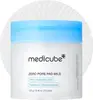
This pore-care toner pad uses a pre-saturated pad with Gluconolactone and Panthenol to refine the look of pores and refine skin texture.
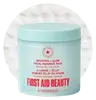
This smoothing exfoliating pad uses a pre-saturated pad with Lactic Acid and Glycolic Acid to refine skin texture and brighten dull-looking skin.


What's inside
What's inside
 Key Ingredients
Benefits
Concerns
No concerns
Ingredients Side-by-side
Water
Skin ConditioningPropanediol
Solvent

Methylpropanediol
Solvent1,2-Hexanediol
Skin Conditioning
Glycereth-26
Humectant
Butylene Glycol
Humectant
Saccharide Hydrolysate
HumectantTromethamine
BufferingGluconolactone
Chelating







Panthenol
Skin Conditioning

Ethylhexylglycerin
Skin ConditioningDisodium EDTA
ChelatingPyrus Communis Fruit Extract
Skin ConditioningMadecassoside
Antioxidant
Rosa Damascena Flower Water
Masking
Iris Florentina Root Extract
MaskingCentella Asiatica Extract
Cleansing
Cucumis Melo Fruit Extract
Skin ConditioningSalvia Hispanica Seed Extract
Emollient
Houttuynia Cordata Extract
Skin Conditioning
Hedera Helix Leaf/Stem Extract
AntimicrobialCynanchum Atratum Extract
Skin ConditioningPentylene Glycol
Skin Conditioning
Ulmus Davidiana Root Extract
Skin Conditioning
Pueraria Lobata Root Extract
HumectantPinus Palustris Leaf Extract
TonicOenothera Biennis Flower Extract
AstringentSodium Hyaluronate
Humectant
Vitis Vinifera Fruit Extract
Skin ConditioningDiospyros Kaki Fruit Extract
Skin ConditioningCastanea Crenata Shell Extract
Skin ConditioningCamellia Sinensis Leaf Extract
Antimicrobial
Hyaluronic Acid
Humectant
Sodium Hyaluronate Crosspolymer
Humectant
Hydrolyzed Sodium Hyaluronate
Skin Conditioning
Hydrolyzed Hyaluronic Acid
Humectant
Sodium Acetylated Hyaluronate
Humectant
Hydroxypropyltrimonium Hyaluronate
Water, Propanediol, Methylpropanediol, 1,2-Hexanediol, Glycereth-26, Butylene Glycol, Saccharide Hydrolysate, Tromethamine, Gluconolactone, Panthenol, Ethylhexylglycerin, Disodium EDTA, Pyrus Communis Fruit Extract, Madecassoside, Rosa Damascena Flower Water, Iris Florentina Root Extract, Centella Asiatica Extract, Cucumis Melo Fruit Extract, Salvia Hispanica Seed Extract, Houttuynia Cordata Extract, Hedera Helix Leaf/Stem Extract, Cynanchum Atratum Extract, Pentylene Glycol, Ulmus Davidiana Root Extract, Pueraria Lobata Root Extract, Pinus Palustris Leaf Extract, Oenothera Biennis Flower Extract, Sodium Hyaluronate, Vitis Vinifera Fruit Extract, Diospyros Kaki Fruit Extract, Castanea Crenata Shell Extract, Camellia Sinensis Leaf Extract, Hyaluronic Acid, Sodium Hyaluronate Crosspolymer, Hydrolyzed Sodium Hyaluronate, Hydrolyzed Hyaluronic Acid, Sodium Acetylated Hyaluronate, Hydroxypropyltrimonium Hyaluronate
Water
Skin ConditioningAloe Barbadensis Leaf Juice
Skin Conditioning
Cucumis Sativus Fruit Water
Skin ConditioningLactic Acid
Buffering




Glycolic Acid
Buffering
Hyaluronic Acid
Humectant
Phyllanthus Emblica Fruit Extract
HumectantCitrus Limon Peel Extract
EmollientCitrus Nobilis Fruit Extract
MaskingGlycerin
Humectant
Polysorbate 20
Emulsifying
Phenoxyethanol
Preservative
Potassium Sorbate
Preservative
Sodium Benzoate
Masking
Citric Acid
Buffering
Chlorphenesin
Antimicrobial
Sodium Hydroxide
BufferingWater, Aloe Barbadensis Leaf Juice, Cucumis Sativus Fruit Water, Lactic Acid, Glycolic Acid, Hyaluronic Acid, Phyllanthus Emblica Fruit Extract, Citrus Limon Peel Extract, Citrus Nobilis Fruit Extract, Glycerin, Polysorbate 20, Phenoxyethanol, Potassium Sorbate, Sodium Benzoate, Citric Acid, Chlorphenesin, Sodium Hydroxide
Reviews
Ingredients Explained
These ingredients are found in both products.
Ingredients higher up in an ingredient list are typically present in a larger amount.
Hyaluronic acid (HA) is a glycosaminoglycan (basically a long sugar chain) that your skin already makes on its own. In your skin, HA lives in the extracellular matrix and acts as the body's moisture reservoir.
Topically, HA is a humectant that binds water and helps skin look more plump, smooth, and hydrated.
The only catch is that HA isn't a single thing; it actually comes in a wide range of molecular weights (~50 - 2,000+ kDA) and size matters.
Some clinical evidence links low molecular weight versions to improved wrinkle depth, elasticity, anti-inflammatory effects, and barrier repair.
This is why the best HA serums blend the two sizes together so you get the best of both worlds.
The majority of cosmetic HA is produced by bacterial fermentation, typically using Streptococcus or Bacillus strains. Typical use levels in skincare sit around 0.1-2%.
A clinical study using a 0.2% low-molecular weight HA gel showed improvement in facial seborrheic dermatitis with excellent tolerance.
These are some other common types of Hyaluronic Acid:
Learn more about Hyaluronic AcidWater. It's the most common cosmetic ingredient of all. You'll usually see it at the top of ingredient lists, meaning that it makes up the largest part of the product.
So why is it so popular? Water most often acts as a solvent - this means that it helps dissolve other ingredients into the formulation.
You'll also recognize water as that liquid we all need to stay alive. If you see this, drink a glass of water. Remember to stay hydrated!
Learn more about Water

