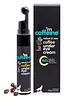
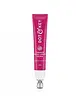
mCaffeine Coffee Under Eye Cream for Dark Circles & Puffiness Versus Dot & Key Skincare Pomegranate Retinol + Caffeine Eye Cream
This anti-aging eye moisturizer is formulated around Coffea Arabica Seed Extract and Caffeine to soften the look of wrinkles and fade the look of dark spots.

What's inside
What's inside
 Key Ingredients
Benefits
Concerns
Ingredients Side-by-side
Water
Skin ConditioningCaprylic/Capric Triglyceride
Masking


Butylene Glycol
Humectant
Dicaprylyl Ether
Emollient
Siloxanetriol Alginate
Skin ConditioningCaffeine
Skin Conditioning

Glyceryl Stearate
Emollient

PEG-100 Stearate
Surfactant
Cetearyl Alcohol
Emollient



Cetearyl Olivate
Sorbitan Olivate
Emulsifying
Lauryl Laurate
Skin Conditioning
Glycerin
Humectant
C14-22 Alcohols
Emulsion Stabilising
C12-20 Alkyl Glucoside
EmulsifyingStearyl Dimethicone
Emollient
Octadecene
SolventAcrylates/C10-30 Alkyl Acrylate Crosspolymer
Emulsion StabilisingAllantoin
Skin Conditioning
Disodium EDTA
ChelatingTocopheryl Acetate
Antioxidant


Sodium Hydroxide
BufferingSodium Hyaluronate
Humectant
Retinol
Skin Conditioning






Rosa Rubiginosa Seed Oil
Emollient
Scutellaria Baicalensis Root Extract
Astringent
Paeonia Suffruticosa Root Extract
Skin ProtectingSaxifraga Sarmentosa Extract
Skin ConditioningAcetyl Tyrosine
Skin ConditioningArbutin
Antioxidant
Glutathione
Aminopropyl Ascorbyl Phosphate
Antioxidant
Simmondsia Chinensis Seed Oil
Emollient
Methylsilanol Mannuronate
Skin ConditioningOlea Europaea Fruit Oil
Masking
Punica Granatum Seed Oil
Emollient
Argania Spinosa Kernel Oil
Emollient
Coffea Arabica Seed Extract
Masking
Benzyl Alcohol
Perfuming



Ethylhexylglycerin
Skin ConditioningTocopherol
Antioxidant
BHT
Antioxidant
Water, Caprylic/Capric Triglyceride, Butylene Glycol, Dicaprylyl Ether, Siloxanetriol Alginate, Caffeine, Glyceryl Stearate, PEG-100 Stearate, Cetearyl Alcohol, Cetearyl Olivate, Sorbitan Olivate, Lauryl Laurate, Glycerin, C14-22 Alcohols, C12-20 Alkyl Glucoside, Stearyl Dimethicone, Octadecene, Acrylates/C10-30 Alkyl Acrylate Crosspolymer, Allantoin, Disodium EDTA, Tocopheryl Acetate, Sodium Hydroxide, Sodium Hyaluronate, Retinol, Rosa Rubiginosa Seed Oil, Scutellaria Baicalensis Root Extract, Paeonia Suffruticosa Root Extract, Saxifraga Sarmentosa Extract, Acetyl Tyrosine, Arbutin, Glutathione, Aminopropyl Ascorbyl Phosphate, Simmondsia Chinensis Seed Oil, Methylsilanol Mannuronate, Olea Europaea Fruit Oil, Punica Granatum Seed Oil, Argania Spinosa Kernel Oil, Coffea Arabica Seed Extract, Benzyl Alcohol, Ethylhexylglycerin, Tocopherol, BHT
Ingredients Explained
These ingredients are found in both products.
Ingredients higher up in an ingredient list are typically present in a larger amount.
Caffeine is a naturally occurring plant compound found in coffee beans, tea leaves, cocoa pods, and guarana.
As an antioxidant, caffeine protects your skin from free radical damage caused by UV exposure and envionrmnetal stressors.
Early research also shows that caffeine can help calm redness, soothe irritated skin, and support hair growth by stimulating microcirculation in the scalp.
You might have seen eye creams marketing caffeine as a depuffing ingredient. This is because it is a vasoconstrictor meaning it can temporarily constrict blood vessels, though clinical evidence for this specific use is still limited.
Most skincare products contain this ingredient at concentrations between 1-6%. It is able to penetrate skin easily regardless of skin type or thickness.
Just so you know, a very small number of case reports describe caffeine-induced allergy. This ingredient is generally well-tolerated, non-irritating, and non-sensitizing for the majority of people.
Learn more about CaffeineThis ingredient is more commonly known as the coffee bean from the Coffea Arabica tree. Besides being a delicious drink, coffee beans have a ton of skin benefits.
Coffea Arabica Seed Extract (CASE) has antioxidant, anti-inflammatory, and UV-protective properties. (It should not replace your sunscreen!)
CASE contains several ingredients that protect and soothe skin. These include caffeine, polysaccharides, sucrose, lipids, minerals, and proteins.
The star ingredient in coffee is caffeine.
Caffeine helps with anti-aging, antioxidant, and photo-protection.
How? It has been shown to block collagenase (~41%), elastase (~35%), and tyrosinase (~13%).
Collagenase and elastase are enzymes that break down collagen and elastin, respectively. Tyrosinase is the enzyme that controls melanin production.
Our skin creates melanin when exposed to UV as a defense mechanism.
It should be noted most studies looked at caffeine's ability to inhibit damage from UV-B rays.
According to a manufacturer, this ingredient is often dissolved using water, glycerin, and propanediol. The caffeine content of this ingredient is about 100 ppm.
Coffea Arabica is native to Ethiopia.
Learn more about Coffea Arabica Seed ExtractTocopherol is a fat-soluble antioxidant known as Vitamin E.
You'll find this ingredient in the vast majority of skincare (for good reason). It works to neutralize free radicals, or unstable molecules generated by UV exposure, pollution, and other environmental stressors, before they can cause oxidative damage to your skin cells.
Topically applied tocopherol has been shown to protect against UV damage by ramping up the skin's own natural defense enzymes.
It also acts as a skin conditioning agent; some studies show that regular topical use can improve the skin's water-binding capacity over 2-4 weeks.
This ingredient is especially loved for being a team player. When combined with Vitamin C, the photoprotective effect of both ingredients roughly doubles and the combo also helps reduce UV-induced DNA damage.
This ingredient has some brightening potential but it's more of a prevention ingredient than spot-fader. Cell studies show it can slow down melanin production but it's worth noting that it's not the most powerful brightener out there.
In formulations, it also serves as a stabilizer that helps protect other oxidation-prone ingredients from degrading.
Concentrations usually range from 0.1-1% in most leave-on products.
Learn more about TocopherolWater. It's the most common cosmetic ingredient of all. You'll usually see it at the top of ingredient lists, meaning that it makes up the largest part of the product.
So why is it so popular? Water most often acts as a solvent - this means that it helps dissolve other ingredients into the formulation.
You'll also recognize water as that liquid we all need to stay alive. If you see this, drink a glass of water. Remember to stay hydrated!
Learn more about Water

