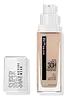
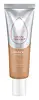
Maybelline SuperStay Active Wear 30H Foundation Versus beautyblender Bounce Liquid Whip Long Wear Foundation

What's inside
What's inside
 Key Ingredients
Benefits
Ingredients Side-by-side
Water
Skin ConditioningIsododecane
EmollientDimethicone
Emollient

Acrylates/Polytrimethylsiloxymethacrylate Copolymer
Skin ConditioningCellulose
Absorbent
Lauryl PEG-9 Polydimethylsiloxyethyl Dimethicone
Skin Conditioning
Vinyl Dimethicone/Methicone Silsesquioxane Crosspolymer
PEG-10 Dimethicone
Skin Conditioning
Magnesium Sulfate
Phenoxyethanol
Preservative
Disteardimonium Hectorite
StabilisingSodium Hyaluronate
Humectant




Dimethicone/Polyglycerin-3 Crosspolymer
Cleansing
Cetyl PEG/PPG-10/1 Dimethicone
Emulsifying
Silica Silylate
Emollient
Triethoxycaprylylsilane
Propylene Carbonate
SolventCaprylyl Glycol
Emollient
Xanthan Gum
EmulsifyingTrisodium Ethylenediamine Disuccinate
ChelatingEthylhexylglycerin
Skin ConditioningAlumina
Abrasive
Silica
Abrasive
Dipropylene Glycol
HumectantDisodium Stearoyl Glutamate
CleansingAluminum Hydroxide
EmollientTocopherol
Antioxidant



Pentaerythrityl Tetra-Di-T-Butyl Hydroxyhydrocinnamate
Antioxidant
CI 77891
Cosmetic ColorantCI 77491
Cosmetic ColorantCI 77492
Cosmetic ColorantCI 77499
Cosmetic ColorantCI 77007
Cosmetic ColorantWater, Isododecane, Dimethicone, Acrylates/Polytrimethylsiloxymethacrylate Copolymer, Cellulose, Lauryl PEG-9 Polydimethylsiloxyethyl Dimethicone, Vinyl Dimethicone/Methicone Silsesquioxane Crosspolymer, PEG-10 Dimethicone, Magnesium Sulfate, Phenoxyethanol, Disteardimonium Hectorite, Sodium Hyaluronate, Dimethicone/Polyglycerin-3 Crosspolymer, Cetyl PEG/PPG-10/1 Dimethicone, Silica Silylate, Triethoxycaprylylsilane, Propylene Carbonate, Caprylyl Glycol, Xanthan Gum, Trisodium Ethylenediamine Disuccinate, Ethylhexylglycerin, Alumina, Silica, Dipropylene Glycol, Disodium Stearoyl Glutamate, Aluminum Hydroxide, Tocopherol, Pentaerythrityl Tetra-Di-T-Butyl Hydroxyhydrocinnamate, CI 77891, CI 77491, CI 77492, CI 77499, CI 77007
Water
Skin ConditioningCyclopentasiloxane
Emollient
Caprylyl Methicone
Skin Conditioning
Cetyl PEG/PPG-10/1 Dimethicone
Emulsifying
Aluminum Starch Octenylsuccinate
Absorbent
Talc
Abrasive
Sodium Chloride
MaskingSodium Hyaluronate
Humectant
Glycerin
Humectant
Betula Alba Leaf Extract
AstringentMethicone
Emollient
Propylene Carbonate
SolventMethyl Methacrylate Crosspolymer
Disteardimonium Hectorite
StabilisingDisodium EDTA
ChelatingSodium Dehydroacetate
Preservative
Phenoxyethanol
Preservative
Potassium Sorbate
Preservative
Glucuronic Acid
Buffering
Pentaerythrityl Tetra-Di-T-Butyl Hydroxyhydrocinnamate
Antioxidant
Titanium Dioxide
Cosmetic Colorant

Iron Oxides
CI 77007
Cosmetic ColorantWater, Cyclopentasiloxane, Caprylyl Methicone, Cetyl PEG/PPG-10/1 Dimethicone, Aluminum Starch Octenylsuccinate, Talc, Sodium Chloride, Sodium Hyaluronate, Glycerin, Betula Alba Leaf Extract, Methicone, Propylene Carbonate, Methyl Methacrylate Crosspolymer, Disteardimonium Hectorite, Disodium EDTA, Sodium Dehydroacetate, Phenoxyethanol, Potassium Sorbate, Glucuronic Acid, Pentaerythrityl Tetra-Di-T-Butyl Hydroxyhydrocinnamate, Titanium Dioxide, Iron Oxides, CI 77007
Reviews
Ingredients Explained
These ingredients are found in both products.
Ingredients higher up in an ingredient list are typically present in a larger amount.
This ingredient is a silicone-based emulsifer that helps the water and oil phases play nicely together.
It's pretty effective because one end of the molecule loves oil and the other one loves water.
Besides holding formulas together, it also leaves a silky and lightweight feel on skin without the greasiness. A manufacturer also claims it can help with the controlled release of active ingredients.
The CIR Expert Panel found this ingredient to not be sensitizing in concentrations up to 15% in human maximazation testing and dimethicone-based compounds were not comedogenic.
It has a high molecular weight well above 1,000 g/mol which means it limits meaningful skin penetration.
A 2019 study specifically tested this ingredient and found no observable Malassezia growth in its presence.
Learn more about Cetyl PEG/PPG-10/1 DimethiconeThis pigment is called Ultramarine blue lazurite. It gives a saturated blue color, but can be used to create other colors as well.
According to the manufacturer, it is usually made from kaolin, sodium sulfate, sodium carbonate, sulfur, and charcoal.
Disteardimonium Hectorite comes from the clay mineral named hectorite. It is used to add thickness to a product.
It can also help stabilize a product by helping to disperse other ingredients.
Hectorite is a rare, white clay mineral.
Learn more about Disteardimonium HectoritePentaerythrityl Tetra-Di-T-Butyl Hydroxyhydrocinnamate (long name, huh?) is a synthetic antioxidant.
It is used to help stabilize other antioxidants or prevent the color from changing in a product.
As an antioxidant, it helps fight free-radical molecules. Free-radical molecules are capable of damaging our cells and other genetic material. Thus, antioxidants may reduce the signs of aging.
This ingredient is oil-soluble.
Learn more about Pentaerythrityl Tetra-Di-T-Butyl HydroxyhydrocinnamatePhenoxyethanol is one of the most widely used preservatives in skincare (and for good reason!).
It has a large spectrum of antimicrobial activity and especially effective bacteria, yeast, and mold while only having a weak effect on your skin's natural microbiome.
On a cellular level, it disrupts the cell membranes of microbes by poking holes that make the cell leak. This shuts down the chemical reactions the microbe needs to make energy so it can no longer survive.
Another perk of this ingredient is that it stays functional across a wide pH range (3-10).
You'll often see it paired with boosters like Ethylhexylglycerin; one study showed that a 1:9 ratio of Ethylhexylglycerin to Phenoxyethanol damages bacterial membranes as effectively as doubling the Phenoxyethanol concentration on its own.
Typical use concentrations range from 0.3-1% depending on the formula, and this ingredient is capped at 1% int the EU.
Safety-wise, the fear mongering does not hold up to the evidence. The EU's Scientific Committee on Consumer Safety and FDA consider it safe as a preservative at up to 1%, including for children of all ages.
Adverse systemic effects only showed up in animal studies at exposures roughly 200x higher than what people get from cosmetics. And despite its very widespread use, this ingredient is a rare sensitizer and allergic reactions are uncommon.
Learn more about PhenoxyethanolThis ingredient is a solvent. It helps dissolve active ingredients and alter the texture of products.
Propylene Carbonate is commonly used in makeup and with clay, such as montmorillonite or bentonite.
Studies show this ingredient to be safe for cosmetics. When it is undiluted, it can cause skin irritation. (It is always diluted in skincare and makeup). This ingredient is water-soluble.
Propylene Carbonate is created from propylene glycol and carbonic acid.
Learn more about Propylene CarbonateSodium Hyaluronate is the salt form of hyaluronic acid. It is a long sugar chain that is naturally found in your skin, joints, and connective tissue that maintains hydration and elasticity.
In skincare, it works as a humectant. It pulls water from the environment and deeper layers of skin and binds it to the surface.
Interestingly, the size of the molecule affects its behavior:
Some clinical evidence links low molecular weight versions to improved wrinkle depth, elasticity, anti-inflammatory effects, and barrier repair.
Many serums use a blend of both weights so you can get surface hydration plus longer-lasting and deeper effects.
You'll typically see concentrations between 0.1-2% for this ingredient.
Learn more about Sodium HyaluronateWater. It's the most common cosmetic ingredient of all. You'll usually see it at the top of ingredient lists, meaning that it makes up the largest part of the product.
So why is it so popular? Water most often acts as a solvent - this means that it helps dissolve other ingredients into the formulation.
You'll also recognize water as that liquid we all need to stay alive. If you see this, drink a glass of water. Remember to stay hydrated!
Learn more about Water

