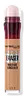
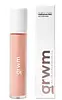
Maybelline Instant Age Rewind Eraser Multi-Use Concealer Versus GRWM Cosmetics Radiance Tint Color Corrector


What's inside
What's inside
 Key Ingredients
Benefits
Concerns
Ingredients Side-by-side
Water
Skin ConditioningDimethicone
Emollient

Isododecane
EmollientGlycerin
Humectant

PEG-9 Polydimethylsiloxyethyl Dimethicone
Emulsifying
Propylene Glycol
Humectant

Disteardimonium Hectorite
StabilisingSilica
Abrasive


Dimethicone Crosspolymer
Emulsion Stabilising
PEG-10 Dimethicone
Skin Conditioning
Cetyl PEG/PPG-10/1 Dimethicone
Emulsifying
Phenoxyethanol
Preservative
Sodium Chloride
MaskingPolyglyceryl-4 Isostearate
Emulsifying
Caprylyl Glycol
Emollient
Disodium Stearoyl Glutamate
CleansingEthylhexylglycerin
Skin ConditioningChlorphenesin
Antimicrobial
Aluminum Hydroxide
EmollientSteareth-20
CleansingLycium Barbarum Fruit Extract
Astringent
Chlorhexidine Digluconate
Antimicrobial
Sodium Benzoate
Masking
N-Hydroxysuccinimide
Skin ConditioningLactic Acid
Buffering




Potassium Sorbate
Preservative
Tocopherol
Antioxidant


Sodium Citrate
BufferingPalmitoyl Tripeptide-1
Skin Conditioning
Chrysin
Skin ConditioningPentaerythrityl Tetra-Di-T-Butyl Hydroxyhydrocinnamate
Antioxidant
Palmitoyl Tetrapeptide-7
Skin Conditioning
Citric Acid
Buffering
Biotin
AntiseborrhoeicCI 77891
Cosmetic ColorantCI 77491
Cosmetic ColorantCI 77492
Cosmetic ColorantCI 77499
Cosmetic ColorantWater, Dimethicone, Isododecane, Glycerin, PEG-9 Polydimethylsiloxyethyl Dimethicone, Propylene Glycol, Disteardimonium Hectorite, Silica, Dimethicone Crosspolymer, PEG-10 Dimethicone, Cetyl PEG/PPG-10/1 Dimethicone, Phenoxyethanol, Sodium Chloride, Polyglyceryl-4 Isostearate, Caprylyl Glycol, Disodium Stearoyl Glutamate, Ethylhexylglycerin, Chlorphenesin, Aluminum Hydroxide, Steareth-20, Lycium Barbarum Fruit Extract, Chlorhexidine Digluconate, Sodium Benzoate, N-Hydroxysuccinimide, Lactic Acid, Potassium Sorbate, Tocopherol, Sodium Citrate, Palmitoyl Tripeptide-1, Chrysin, Pentaerythrityl Tetra-Di-T-Butyl Hydroxyhydrocinnamate, Palmitoyl Tetrapeptide-7, Citric Acid, Biotin, CI 77891, CI 77491, CI 77492, CI 77499
Water
Skin ConditioningCetyl Ethylhexanoate
EmollientPolymethylsilsesquioxane
Propylene Glycol
Humectant
Isononyl Isononanoate
EmollientGlycereth-26
Humectant
Isohexadecane
EmollientGlycerin
Humectant
Polyglyceryl-10 Diisostearate
Emulsifying
Cetyl PEG/PPG-10/1 Dimethicone
Emulsifying
PEG-10 Dimethicone
Skin Conditioning
Sodium Chloride
MaskingMagnesium Stearate
Cosmetic ColorantPhenoxyethanol
Preservative
Silica Dimethyl Silylate
EmollientTalc
Abrasive
Disteardimonium Hectorite
StabilisingVitis Vinifera Seed Oil
Emollient
Ethylhexylglycerin
Skin ConditioningPolyhydroxystearic Acid
Emulsifying
Tocopheryl Acetate
Antioxidant
Sodium Hyaluronate
Humectant
Triethoxycaprylylsilane
Parfum
Masking

CI 77891
Cosmetic ColorantCI 77492
Cosmetic ColorantCI 77491
Cosmetic ColorantCI 77288
Cosmetic ColorantCI 77499
Cosmetic ColorantCI 19140
Cosmetic ColorantWater, Cetyl Ethylhexanoate, Polymethylsilsesquioxane, Propylene Glycol, Isononyl Isononanoate, Glycereth-26, Isohexadecane, Glycerin, Polyglyceryl-10 Diisostearate, Cetyl PEG/PPG-10/1 Dimethicone, PEG-10 Dimethicone, Sodium Chloride, Magnesium Stearate, Phenoxyethanol, Silica Dimethyl Silylate, Talc, Disteardimonium Hectorite, Vitis Vinifera Seed Oil, Ethylhexylglycerin, Polyhydroxystearic Acid, Tocopheryl Acetate, Sodium Hyaluronate, Triethoxycaprylylsilane, Parfum, CI 77891, CI 77492, CI 77491, CI 77288, CI 77499, CI 19140
Reviews
Ingredients Explained
These ingredients are found in both products.
Ingredients higher up in an ingredient list are typically present in a larger amount.
This ingredient is a silicone-based emulsifer that helps the water and oil phases play nicely together. It's so effective because one end of the molecule loves oil and the other one loves water.
Besides holding formulas together, it also leaves a silky and lightweight feel on skin without the greasiness. A manufacturer also claims it can help with the controlled release of active ingredients.
The CIR Expert Panel found this ingredient to not be sensitizing in concentrations up to 15% in human maximazation testing and dimethicone-based compounds were not comedogenic.
It has a high molecular weight well above 1,000 g/mol which means it limits meaningful skin penetration.
A 2019 study specifically tested this ingredient and found no observable Malassezia growth in its presence.
Learn more about Cetyl PEG/PPG-10/1 DimethiconeCi 77491 is also hydrated iron III oxide. It's sole purpose is to give a red/pink hue to products.
Iron III oxides are classified as inorganic chemicals for coloring.
Synthetically created Ci 77491 is considered safer than those naturally found. This is because the synthetically created version may contain less impurities. Iron oxides are generally non-toxic and non-allergenic.
Learn more about CI 77491CI 77492 is also hydrated iron III oxide. It's sole purpose is to give a yellow hue to products.
Iron III oxides are classified as inorganic chemicals for coloring.
Synthetically created CI 77492 is considered safer than those naturally found. This is because the synthetically created version may contain less impurities. Iron oxides are generally non-toxic and non-allergenic.
Learn more about CI 77492Ci 77499 is also hydrated iron III oxide. It is created from mixing red and black iron oxides. This helps give shades of darkness to a product.
Iron III oxides are classified as inorganic chemicals for coloring.
Ci 77891 is a white pigment from Titanium dioxide. It is naturally found in minerals such as rutile and ilmenite.
It's main function is to add a white color to cosmetics. It can also be mixed with other colors to create different shades.
Ci 77891 is commonly found in sunscreens due to its ability to block UV rays.
Learn more about CI 77891Disteardimonium Hectorite comes from the clay mineral named hectorite. It is used to add thickness to a product.
It can also help stabilize a product by helping to disperse other ingredients.
Hectorite is a rare, white clay mineral.
Learn more about Disteardimonium HectoriteEthylhexylglycerin is created from glycerin. It is a multitasker ingredient that:
The CIR Expert Panel found minimal skin absorption or sensitization of any kind in a safety assessment. Though this ingredient is considered well-tolerated, a small number of cases of allergic dermatitis have been published since 2002. Just be sure to patch test if you are unsure.
Industry-reported use ranges from 8% in rinse-off products and 2% in leave-on formulations.
Learn more about EthylhexylglycerinGlycerin (or glycerol) is a compound naturally found in your skin. It's a powerhouse humectant that pulls water into the stratum corneum.
Topically, glycerin does several things at once:
Your skin makes glycerin on its own (mostly from sebaceous oil breakdown) and shuttles it to your outermost layer of skin, or your epidermis, via aquaporin-3.
Aquaporin-3 is a transporter that is essential for normal skin hydration, elasticity, and repair. Interestingly, mice lacking in AQP3 have dry and less elastic skin that can be fully corrected with glycerin.
This ingredient is non-irritating, plays well with almost every ingredient, and works across all skin types. Typical use is anywhere between 3-10% but can go up to 79% in some leave-on products.
Just know very high concentrations (>40%) can feel tacky in low humidity.
Glycerin is the name for this ingredient in American English. British English uses Glycerol/Glycerine.
Learn more about GlycerinPeg-10 Dimethicone is silicone with conditioner and emulsifier properties. It mostly acts as an emollient in skincare and and humectant in haircare.
According to the manufacturer, acidic formulations decrease the stability of this ingredient. It works best in neutral or near neutral formulations.
Phenoxyethanol is a preservative that has germicide, antimicrobial, and aromatic properties. Studies show that phenoxyethanol can prevent microbial growth. By itself, it has a scent that is similar to that of a rose.
It's often used in formulations along with Caprylyl Glycol to preserve the shelf life of products.
Propylene Glycol is a synthetic, colorless, odorless liquid that has been a staple in cosmetics for decades. It is a skin conditioning agent, humectant, and solvent.
As a humectant, it draw water to the skin to reduce flaking and restore suppleness. It's also a solvent that helps dissolve other actives and keeps formulas stable across temperature changes.
The CIR Expert Panel has confirmed this ingredient to be nontoxic and clinical studies show no sensitization at cosmetic use concentrations.
True allergic reactions are quite rare: a 15-year retrospective study of 6,751 patients found only 0.31% had a positive reaction (and less than half were considered clinically relevant).
It seemed that when sensitization does occur, it's most commonly linked to topical medication (like corticosteroids) and not cosmetics. Allergic contact dermatitis also appears largely limited to individuals with underlying skin conditions.
Overall, propylene glycol is a well-studied ingredient that most people can tolerate without issue.
Learn more about Propylene GlycolChances are, you eat sodium chloride every day. Sodium Chloride is also known as table salt. This ingredient has many purposes in skincare: thickener, emulsifier, and exfoliator.
You'll most likely find this ingredient in cleansers where it is used to create a gel-like texture. As an emulsifier, it also prevents ingredients from separating.
You might see people debate whether Sodium Chloride is comedogenic, but there actually haven't been any comedogenic tests done on it. Either way, the overall formulation of a product matters a lot more than any single ingredient.
You might see this ingredient used in scrubs as a primary exfoliating ingredient.
Learn more about Sodium ChlorideWater. It's the most common cosmetic ingredient of all. You'll usually see it at the top of ingredient lists, meaning that it makes up the largest part of the product.
So why is it so popular? Water most often acts as a solvent - this means that it helps dissolve other ingredients into the formulation.
You'll also recognize water as that liquid we all need to stay alive. If you see this, drink a glass of water. Remember to stay hydrated!
Learn more about Water
