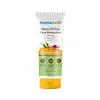
This oil-control moisturizer is formulated around Methyl Methacrylate Crosspolymer to balance excess oil.
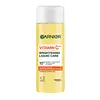
This brightening toner is formulated around Niacinamide and Ascorbyl Glucoside to brighten dull-looking skin and fade the look of dark spots.


What's inside
What's inside
 Key Ingredients
Benefits
Concerns
Ingredients Side-by-side
Water
Skin ConditioningCetearyl Ethylhexanoate
Emollient

Diethylhexyl Carbonate
EmollientCoco-Caprylate/Caprate
Emollient
Pentaerythrityl Distearate
Emulsifying
Polyglyceryl-3 Dicitrate/Stearate
Emulsifying
Glyceryl Stearate Citrate
Emollient
Betaine
Humectant


Methyl Methacrylate Crosspolymer

Trilaurin
Skin ConditioningBehenyl Alcohol
Emollient
Caesalpinia Spinosa Gum
Skin ConditioningTetrahydrocurcumin
Antioxidant
Crocus Sativus Flower Extract
MaskingGlycine Soja Oil
Emollient




Daucus Carota Sativa Root Extract
Skin Conditioning
Zea Mays Oil
Emulsifying
Tocopherol
Antioxidant



Ethylhexylglycerin
Skin ConditioningPhenoxyethanol
Preservative
Sodium Hydroxide
BufferingAcrylates/C10-30 Alkyl Acrylate Crosspolymer
Emulsion StabilisingDisodium EDTA
ChelatingWater, Cetearyl Ethylhexanoate, Diethylhexyl Carbonate, Coco-Caprylate/Caprate, Pentaerythrityl Distearate, Polyglyceryl-3 Dicitrate/Stearate, Glyceryl Stearate Citrate, Betaine, Methyl Methacrylate Crosspolymer, Trilaurin, Behenyl Alcohol, Caesalpinia Spinosa Gum, Tetrahydrocurcumin, Crocus Sativus Flower Extract, Glycine Soja Oil, Daucus Carota Sativa Root Extract, Zea Mays Oil, Tocopherol, Ethylhexylglycerin, Phenoxyethanol, Sodium Hydroxide, Acrylates/C10-30 Alkyl Acrylate Crosspolymer, Disodium EDTA
Water
Skin ConditioningCaprylic/Capric Triglyceride
Masking
Niacinamide
Smoothing




Glycerin
Humectant
Propanediol
Solvent
Ascorbyl Glucoside
Antioxidant
Phenoxyethanol
Preservative
Salicylic Acid
Masking


Pentaerythrityl Tetra-Di-T-Butyl Hydroxyhydrocinnamate
Antioxidant
Xanthan Gum
EmulsifyingGlyceryl Stearate
Emollient
PEG-100 Stearate
Surfactant
Sodium Hydroxide
BufferingC14-22 Alcohols
Emulsion Stabilising
Isoamyl Laurate
Emollient
Chlorphenesin
Antimicrobial
Acrylates/C10-30 Alkyl Acrylate Crosspolymer
Emulsion StabilisingTrisodium Ethylenediamine Disuccinate
ChelatingParfum
Masking
C12-20 Alkyl Glucoside
EmulsifyingCitrus Sinensis Fruit Extract
Antioxidant
Citrus Aurantium Dulcis Fruit Extract
MaskingCitric Acid
Buffering
Sodium Benzoate
Masking
Potassium Sorbate
Preservative
Water, Caprylic/Capric Triglyceride, Niacinamide, Glycerin, Propanediol, Ascorbyl Glucoside, Phenoxyethanol, Salicylic Acid, Pentaerythrityl Tetra-Di-T-Butyl Hydroxyhydrocinnamate, Xanthan Gum, Glyceryl Stearate, PEG-100 Stearate, Sodium Hydroxide, C14-22 Alcohols, Isoamyl Laurate, Chlorphenesin, Acrylates/C10-30 Alkyl Acrylate Crosspolymer, Trisodium Ethylenediamine Disuccinate, Parfum, C12-20 Alkyl Glucoside, Citrus Sinensis Fruit Extract, Citrus Aurantium Dulcis Fruit Extract, Citric Acid, Sodium Benzoate, Potassium Sorbate
Ingredients Explained
These ingredients are found in both products.
Ingredients higher up in an ingredient list are typically present in a larger amount.
Acrylates/C10-30 Alkyl Acrylate Crosspolymer is a synthetic polymer. It is used to thicken, emulsify, and improve the texture of products.
As an emulsifier, it helps stabilize oil-in-water emulsions to give products an elegant feel when applied.
It can also form a thin protective film on skin. One study found that a formula using this polymer helped slow down how quickly other ingredients (like DEET) were absorbed through skin.
A 2024 study of over 1,300 patients confirmed that sensitization to this ingredient is rare. It is also non-mutagenic and has a clean track record.
Learn more about Acrylates/C10-30 Alkyl Acrylate CrosspolymerPhenoxyethanol is one of the most widely used preservatives in skincare (and for good reason!).
It has a large spectrum of antimicrobial activity and especially effective bacteria, yeast, and mold while only having a weak effect on your skin's natural microbiome.
On a cellular level, it disrupts the cell membranes of microbes by poking holes that make the cell leak. This shuts down the chemical reactions the microbe needs to make energy so it can no longer survive.
Another perk of this ingredient is that it stays functional across a wide pH range (3-10).
You'll often see it paired with boosters like Ethylhexylglycerin; one study showed that a 1:9 ratio of Ethylhexylglycerin to Phenoxyethanol damages bacterial membranes as effectively as doubling the Phenoxyethanol concentration on its own.
Typical use concentrations range from 0.3-1% depending on the formula, and this ingredient is capped at 1% int the EU.
Safety-wise, the fear mongering does not hold up to the evidence. The EU's Scientific Committee on Consumer Safety and FDA consider it safe as a preservative at up to 1%, including for children of all ages.
Adverse systemic effects only showed up in animal studies at exposures roughly 200x higher than what people get from cosmetics. And despite its very widespread use, this ingredient is a rare sensitizer and allergic reactions are uncommon.
Learn more about PhenoxyethanolSodium Hydroxide is also known as lye or caustic soda. It is used to adjust the pH of products; many ingredients require a specific pH to be effective.
In small amounts, sodium hydroxide is considered safe to use. However, large amounts may cause chemical burns due to its high alkaline.
Your skin has a natural pH and acid mantle. This acid mantle helps prevent harmful bacteria from breaking through. The acid mantle also helps keep your skin hydrated.
"Alkaline" refers to a high pH level. A low pH level would be considered acidic.
Learn more about Sodium HydroxideWater. It's the most common cosmetic ingredient of all. You'll usually see it at the top of ingredient lists, meaning that it makes up the largest part of the product.
So why is it so popular? Water most often acts as a solvent - this means that it helps dissolve other ingredients into the formulation.
You'll also recognize water as that liquid we all need to stay alive. If you see this, drink a glass of water. Remember to stay hydrated!
Learn more about Water

