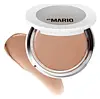
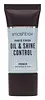
Makeup by Mario Softsculpt Transforming Skin Enhancer Versus Smashbox Photo Finish Oil & Shine Control Face Primer

What's inside
What's inside
 Key Ingredients
Benefits
Concerns
Ingredients Side-by-side
C15-19 Alkane
SolventOctyldodecanol
Emollient
Pentaerythrityl Tetraisostearate
Emollient
Tridecyl Trimellitate
EmollientSynthetic Wax
Abrasive

Raphanus Sativus Seed Extract
Skin ConditioningCera Microcristallina
Emulsion StabilisingSynthetic Fluorphlogopite
Silica Silylate
Emollient
Mica
Cosmetic ColorantCalcium Dihydrogen Phosphate
BufferingDisteardimonium Hectorite
StabilisingTocopheryl Acetate
Antioxidant


Methyl Di-T-Butyl Hydroxyhydrocinnamate
Antioxidant
Helianthus Annuus Seed Oil
Emollient

Rosmarinus Officinalis Leaf Extract
AntimicrobialCI 77891
Cosmetic ColorantCI 77491
Cosmetic ColorantCI 77492
Cosmetic ColorantCI 42090
Cosmetic ColorantCI 77499
Cosmetic ColorantC15-19 Alkane, Octyldodecanol, Pentaerythrityl Tetraisostearate, Tridecyl Trimellitate, Synthetic Wax, Raphanus Sativus Seed Extract, Cera Microcristallina, Synthetic Fluorphlogopite, Silica Silylate, Mica, Calcium Dihydrogen Phosphate, Disteardimonium Hectorite, Tocopheryl Acetate, Methyl Di-T-Butyl Hydroxyhydrocinnamate, Helianthus Annuus Seed Oil, Rosmarinus Officinalis Leaf Extract, CI 77891, CI 77491, CI 77492, CI 42090, CI 77499
Water
Skin ConditioningDimethicone
Emollient

Vinyl Dimethicone/Methicone Silsesquioxane Crosspolymer
Methyl Trimethicone
Skin Conditioning
Dimethicone/Vinyl Dimethicone Crosspolymer
Skin Conditioning
Butylene Glycol
Humectant
Hamamelis Virginiana Water
Astringent


CI 77220
Cosmetic ColorantAmmonium Acryloyldimethyltaurate/Vp Copolymer
Tocopherol
Antioxidant


Tocopheryl Acetate
Antioxidant
Sodium Hyaluronate
Humectant
Laminaria Saccharina Extract
Skin ProtectingTremella Fuciformis Sporocarp Extract
Antioxidant
Hydrolyzed Soy Protein
Humectant
Glycerin
Humectant
Ethylhexylglycerin
Skin ConditioningBetaine
Humectant
Acetyl Glucosamine
Skin Conditioning
Isononyl Isononanoate
EmollientButyl Avocadate
Skin Conditioning
Polyglyceryl-3 Disiloxane Dimethicone
Skin Conditioning
Polyglyceryl-3 Polydimethylsiloxyethyl Dimethicone
Skin Conditioning
Zinc PCA
Humectant


Isohexadecane
EmollientSilica
Abrasive
Nylon-12

Synthetic Fluorphlogopite
Hydroxyapatite
Abrasive
Lauryl Methacrylate/Glycol Dimethacrylate Crosspolymer
Trimethylsiloxysilicate
Emollient
Acrylamide/Sodium Acryloyldimethyltaurate Copolymer
Emulsion StabilisingSodium Chloride
MaskingPolysorbate 80
Emulsifying
Salicylic Acid
Masking


Coconut Acid
Cleansing
BHT
Antioxidant
Phenoxyethanol
Preservative
Benzoic Acid
Masking
Potassium Sorbate
Preservative
Zinc Oxide
Cosmetic Colorant
Water, Dimethicone, Vinyl Dimethicone/Methicone Silsesquioxane Crosspolymer, Methyl Trimethicone, Dimethicone/Vinyl Dimethicone Crosspolymer, Butylene Glycol, Hamamelis Virginiana Water, CI 77220, Ammonium Acryloyldimethyltaurate/Vp Copolymer, Tocopherol, Tocopheryl Acetate, Sodium Hyaluronate, Laminaria Saccharina Extract, Tremella Fuciformis Sporocarp Extract, Hydrolyzed Soy Protein, Glycerin, Ethylhexylglycerin, Betaine, Acetyl Glucosamine, Isononyl Isononanoate, Butyl Avocadate, Polyglyceryl-3 Disiloxane Dimethicone, Polyglyceryl-3 Polydimethylsiloxyethyl Dimethicone, Zinc PCA, Isohexadecane, Silica, Nylon-12, Synthetic Fluorphlogopite, Hydroxyapatite, Lauryl Methacrylate/Glycol Dimethacrylate Crosspolymer, Trimethylsiloxysilicate, Acrylamide/Sodium Acryloyldimethyltaurate Copolymer, Sodium Chloride, Polysorbate 80, Salicylic Acid, Coconut Acid, BHT, Phenoxyethanol, Benzoic Acid, Potassium Sorbate, Zinc Oxide
Reviews
Ingredients Explained
These ingredients are found in both products.
Ingredients higher up in an ingredient list are typically present in a larger amount.
Synthetic Fluorphlogopite is the synthethic version of mica. It consists of fluorine, aluminum and silicate.
Synthetic Fluorphlogopite is used to add volume to products.
It is considered non-irritating on the skin.
Learn more about Synthetic FluorphlogopiteTocopheryl Acetate is AKA Vitamin E. It is an antioxidant and protects your skin from free radicals. Free radicals damage the skin by breaking down collagen.
One study found using Tocopheryl Acetate with Vitamin C decreased the number of sunburned cells.
Tocopheryl Acetate is commonly found in both skincare and dietary supplements.
Learn more about Tocopheryl Acetate
