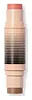
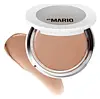
Dibs Beauty Desert Island Duo Blush + Bronzer Stick Versus Makeup by Mario Softsculpt Transforming Skin Enhancer

What's inside
What's inside
 Key Ingredients
Benefits
Concerns
Ingredients Side-by-side
Caprylic/Capric Triglyceride
Masking


Octyldodecanol
Emollient
C12-15 Alkyl Benzoate
AntimicrobialIsostearyl Isostearate
Emollient




Synthetic Wax
Abrasive
Kaolin
Abrasive


Simmondsia Chinensis Seed Oil
Emollient

Polyhydroxystearic Acid
Emulsifying
Mangifera Indica Seed Butter
Skin Conditioning
Silica
Abrasive
Oryza Sativa Bran Extract
Skin Conditioning
Vanillin
Masking

Butyrospermum Parkii Butter
Skin Conditioning
Helianthus Annuus Seed Extract
Skin Conditioning
Dimethicone
Emollient
Tocopherol
Antioxidant





Rosmarinus Officinalis Leaf Extract
AntimicrobialRicinus Communis Seed Oil
Masking
Sodium Hyaluronate
Humectant
Hydrogenated Castor Oil
Emollient
Mica
Cosmetic ColorantCI 77891
Cosmetic ColorantCI 77491
Cosmetic ColorantCI 77492
Cosmetic ColorantCI 77499
Cosmetic ColorantCI 15850
Cosmetic ColorantCI 19140
Cosmetic ColorantCI 15985
Cosmetic ColorantCI 45410
Cosmetic ColorantCI 45380
Cosmetic ColorantCI 42090
Cosmetic ColorantCaprylic/Capric Triglyceride, Octyldodecanol, C12-15 Alkyl Benzoate, Isostearyl Isostearate, Synthetic Wax, Kaolin, Simmondsia Chinensis Seed Oil, Polyhydroxystearic Acid, Mangifera Indica Seed Butter, Silica, Oryza Sativa Bran Extract, Vanillin, Butyrospermum Parkii Butter, Helianthus Annuus Seed Extract, Dimethicone, Tocopherol, Rosmarinus Officinalis Leaf Extract, Ricinus Communis Seed Oil, Sodium Hyaluronate, Hydrogenated Castor Oil, Mica, CI 77891, CI 77491, CI 77492, CI 77499, CI 15850, CI 19140, CI 15985, CI 45410, CI 45380, CI 42090
C15-19 Alkane
SolventOctyldodecanol
Emollient
Pentaerythrityl Tetraisostearate
Emollient
Tridecyl Trimellitate
EmollientSynthetic Wax
Abrasive
Raphanus Sativus Seed Extract
Skin ConditioningCera Microcristallina
Emulsion StabilisingSynthetic Fluorphlogopite
Silica Silylate
Emollient
Mica
Cosmetic ColorantCalcium Dihydrogen Phosphate
BufferingDisteardimonium Hectorite
StabilisingTocopheryl Acetate
Antioxidant
Methyl Di-T-Butyl Hydroxyhydrocinnamate
Antioxidant
Helianthus Annuus Seed Oil
Emollient
Rosmarinus Officinalis Leaf Extract
AntimicrobialCI 77891
Cosmetic ColorantCI 77491
Cosmetic ColorantCI 77492
Cosmetic ColorantCI 42090
Cosmetic ColorantCI 77499
Cosmetic ColorantC15-19 Alkane, Octyldodecanol, Pentaerythrityl Tetraisostearate, Tridecyl Trimellitate, Synthetic Wax, Raphanus Sativus Seed Extract, Cera Microcristallina, Synthetic Fluorphlogopite, Silica Silylate, Mica, Calcium Dihydrogen Phosphate, Disteardimonium Hectorite, Tocopheryl Acetate, Methyl Di-T-Butyl Hydroxyhydrocinnamate, Helianthus Annuus Seed Oil, Rosmarinus Officinalis Leaf Extract, CI 77891, CI 77491, CI 77492, CI 42090, CI 77499
Reviews
Ingredients Explained
These ingredients are found in both products.
Ingredients higher up in an ingredient list are typically present in a larger amount.
Ci 42090 is a synthetic dye created from petroleum. It is used to give a bright blue color to cosmetics, medicine, and food.
Ci 77491 is also hydrated iron III oxide. It's sole purpose is to give a red/pink hue to products.
Iron III oxides are classified as inorganic chemicals for coloring.
Synthetically created Ci 77491 is considered safer than those naturally found. This is because the synthetically created version may contain less impurities. Iron oxides are generally non-toxic and non-allergenic.
Learn more about CI 77491CI 77492 is also hydrated iron III oxide. It's sole purpose is to give a yellow hue to products.
Iron III oxides are classified as inorganic chemicals for coloring.
Synthetically created CI 77492 is considered safer than those naturally found. This is because the synthetically created version may contain less impurities. Iron oxides are generally non-toxic and non-allergenic.
Learn more about CI 77492Ci 77499 is also hydrated iron III oxide. It is created from mixing red and black iron oxides. This helps give shades of darkness to a product.
Iron III oxides are classified as inorganic chemicals for coloring.
Ci 77891 is a white pigment from Titanium dioxide. It is naturally found in minerals such as rutile and ilmenite.
It's main function is to add a white color to cosmetics. It can also be mixed with other colors to create different shades.
Ci 77891 is commonly found in sunscreens due to its ability to block UV rays.
Learn more about CI 77891Mica is a naturally occurring mineral used to add shimmer and color in cosmetics. It can also help improve the texture of a product or give it an opaque, white/silver color.
Serecite is the name for very fine but ragged grains of mica.
This ingredient is often coated with metal oxides like titanium dioxide. Trace amounts of heavy metals may be found in mica, but these metals are not harmful in our personal products.
Mica has been used since prehistoric times throughout the world. Ancient Egyptian, Indian, Greek, Roman, Aztec, and Chinese civilizations have used mica.
Learn more about MicaOctyldodecanol is a fatty alcohol sourced from plant oils like coconut or palm (or made synthetically).
It is:
You'll likely see this in many BHA products because this is the go-to solvent for salicylic acid.
This ingredient is typically used at levels between 2-20%.
Regarding fungal acne:
In 2019, this ingredient was tested against multiple Malassezia species (the yeast that causes fungal acne) and showed no growth.
This is a botanical extract from the rosemary plant (the same one you cook with). In skincare, it mostly works as a skin conditioning agent.
Its activity comes from a handful of polyphenols, carnosic acid, carnosol, and rosmarinic acid. Almost 90% of the antioxidant activity of this ingredient can be attributed to canosol and carnosic acid.
These compounds protect your skin two ways:
1) They fight off free radicals, or the unstable molecules from things like sun and pollution that age and damage skin.
2) They help calm inflammation by switching off the chemical signals that tell skin to get red and irritated.
Lab studies also suggest that rosmarinic acid may help protect collagen and slow sugar-related damage to it.
The Cosmetic Ingredient Review has concluded rosemary-derived ingredients to be safe when formulated to be non-sensitizing.
Rosemary can occasionally cause allergic contact dermatitis (due to carnosol), so be sure to patch test if you have reactive or fragrance-sensitive skin.
Learn more about Rosmarinus Officinalis Leaf ExtractSynthetic Wax is a manufactured hydrocarbon wax. In formulas, it works as an occlusive emollient that helps reduce water loss and improves the spreadability of products.
Research comparing synthetic wax to traditional mineral-derived products found that formulas containing it perform as well for skin hydration.
It is considered non-comedogenic and vegan-friendly.
This ingredient has a well-established safety record by the CIR Expert Panel for Cosmetic Ingredient Safety.
Synthetic Waxes are straight/branched-chain hydrocarbons with no ester bond or fatty acids. That means there is nothing for the Malassezia yeast to feed on.
Learn more about Synthetic Wax

