

What's inside
What's inside
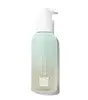 Key Ingredients
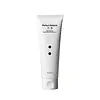
Benefits
Concerns
Ingredients Side-by-side
Water
Skin ConditioningDisodium Cocoyl Glutamate
CleansingGlycerin
Humectant



Disodium Cocoamphodiacetate
CleansingDecyl Glucoside
CleansingXanthan Gum
EmulsifyingAloe Barbadensis Leaf Juice
Skin Conditioning

Agave Rigida Extract
Cereus Grandiflorus Flower Extract
Skin ConditioningOpuntia Ficus-Indica Extract
Skin Conditioning
Opuntia Tuna Fruit Extract
Skin ConditioningNiacinamide
Smoothing





Sodium Hyaluronate
Humectant
Myrciaria Dubia Fruit Extract
Skin ConditioningSodium Ascorbyl Phosphate
Antioxidant


Phenoxyethanol
Preservative
Sodium Chloride
Masking


Ethylhexylglycerin
Skin ConditioningCitric Acid
Buffering
Potassium Sorbate
Preservative
Tocopherol
Antioxidant
Water, Disodium Cocoyl Glutamate, Glycerin, Disodium Cocoamphodiacetate, Decyl Glucoside, Xanthan Gum, Aloe Barbadensis Leaf Juice, Agave Rigida Extract, Cereus Grandiflorus Flower Extract, Opuntia Ficus-Indica Extract, Opuntia Tuna Fruit Extract, Niacinamide, Sodium Hyaluronate, Myrciaria Dubia Fruit Extract, Sodium Ascorbyl Phosphate, Phenoxyethanol, Sodium Chloride, Ethylhexylglycerin, Citric Acid, Potassium Sorbate, Tocopherol
Water
Skin ConditioningGlycerin
Humectant
Coco-Betaine
CleansingMethyl Gluceth-20
Humectant
Dipropylene Glycol
HumectantCentella Asiatica Leaf Water
Skin Conditioning
Sodium Chloride
Masking
Xanthan Gum
EmulsifyingPanthenol
Skin Conditioning
Methylpropanediol
SolventSodium Cocoyl Isethionate
Cleansing1,2-Hexanediol
Skin Conditioning
Sodium Benzoate
Masking
Acrylates/C10-30 Alkyl Acrylate Crosspolymer
Emulsion StabilisingTromethamine
BufferingButylene Glycol
Humectant
Centella Asiatica Extract
Cleansing
Asiaticoside
Antioxidant
Asiatic Acid
Skin ConditioningMadecassoside
Antioxidant
Madecassic Acid
Skin Conditioning
Ethylhexylglycerin
Skin ConditioningCaramel
Cosmetic ColorantDisodium EDTA
Water, Glycerin, Coco-Betaine, Methyl Gluceth-20, Dipropylene Glycol, Centella Asiatica Leaf Water, Sodium Chloride, Xanthan Gum, Panthenol, Methylpropanediol, Sodium Cocoyl Isethionate, 1,2-Hexanediol, Sodium Benzoate, Acrylates/C10-30 Alkyl Acrylate Crosspolymer, Tromethamine, Butylene Glycol, Centella Asiatica Extract, Asiaticoside, Asiatic Acid, Madecassoside, Madecassic Acid, Ethylhexylglycerin, Caramel, Disodium EDTA
Reviews
Ingredients Explained
These ingredients are found in both products.
Ingredients higher up in an ingredient list are typically present in a larger amount.
Ethylhexylglycerin (we can't pronounce this either) is commonly used as a preservative and skin softener. It is derived from glyceryl.
You might see Ethylhexylglycerin often paired with other preservatives such as phenoxyethanol. Ethylhexylglycerin has been found to increase the effectiveness of these other preservatives.
Glycerin is already naturally found in your skin. It helps moisturize and protect your skin.
A study from 2016 found glycerin to be more effective as a humectant than AHAs and hyaluronic acid.
As a humectant, it helps the skin stay hydrated by pulling moisture to your skin. The low molecular weight of glycerin allows it to pull moisture into the deeper layers of your skin.
Hydrated skin improves your skin barrier; Your skin barrier helps protect against irritants and bacteria.
Glycerin has also been found to have antimicrobial and antiviral properties. Due to these properties, glycerin is often used in wound and burn treatments.
In cosmetics, glycerin is usually derived from plants such as soybean or palm. However, it can also be sourced from animals, such as tallow or animal fat.
This ingredient is organic, colorless, odorless, and non-toxic.
Glycerin is the name for this ingredient in American English. British English uses Glycerol/Glycerine.
Learn more about GlycerinChances are, you eat sodium chloride every day. Sodium Chloride is also known as table salt.
This ingredient has many purposes in skincare: thickener, emulsifier, and exfoliator.
You'll most likely find this ingredient in cleansers where it is used to create a gel-like texture. As an emulsifier, it also prevents ingredients from separating.
There is much debate on whether this ingredient is comedogenic. The short answer - comedogenic ratings don't tell the whole story. Learn more about comegodenic ratings here.
The concensus about this ingredient causing acne seems to be divided. Research is needed to understand if this ingredient does cause acne.
Scrubs may use salt as the primary exfoliating ingredient.
Learn more about Sodium ChlorideWater. It's the most common cosmetic ingredient of all. You'll usually see it at the top of ingredient lists, meaning that it makes up the largest part of the product.
So why is it so popular? Water most often acts as a solvent - this means that it helps dissolve other ingredients into the formulation.
You'll also recognize water as that liquid we all need to stay alive. If you see this, drink a glass of water. Stay hydrated!
Learn more about WaterXanthan gum is used as a stabilizer and thickener within cosmetic products. It helps give products a sticky, thick feeling - preventing them from being too runny.
On the technical side of things, xanthan gum is a polysaccharide - a combination consisting of multiple sugar molecules bonded together.
Xanthan gum is a pretty common and great ingredient. It is a natural, non-toxic, non-irritating ingredient that is also commonly used in food products.
Learn more about Xanthan Gum
