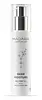
This calming moisturizer is formulated around Aloe Barbadensis Leaf Juice and Galactoarabinan to calm redness and hydrate skin.
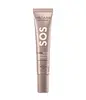
This hydrating serum is formulated around Helianthus Annuus Seed Oil and Simmondsia Chinensis Seed Oil to hydrate skin and strengthen the skin barrier.

What's inside
What's inside
 Key Ingredients
Benefits
Concerns
Ingredients Side-by-side
Water
Skin ConditioningAloe Barbadensis Leaf Juice
Skin Conditioning


Alcohol
Antimicrobial




Hamamelis Virginiana Leaf Water
Astringent
Glycerin
Humectant

Urtica Dioica Leaf Extract
Skin ConditioningPlantago Major Leaf Extract
Skin ConditioningPropanediol
Solvent
Galactoarabinan
Quercus Robur Bark Extract
AstringentSalvia Officinalis Leaf Extract
CleansingSodium Levulinate
Skin ConditioningAroma


Amorphophallus Konjac Root Extract
HumectantSodium Anisate
AntimicrobialSodium Hyaluronate
Humectant

Xanthan Gum
EmulsifyingLactic Acid
Buffering





Rhamnose
HumectantGlucose
Humectant
Glucuronic Acid
Buffering
Water, Aloe Barbadensis Leaf Juice, Alcohol, Hamamelis Virginiana Leaf Water, Glycerin, Urtica Dioica Leaf Extract, Plantago Major Leaf Extract, Propanediol, Galactoarabinan, Quercus Robur Bark Extract, Salvia Officinalis Leaf Extract, Sodium Levulinate, Aroma, Amorphophallus Konjac Root Extract, Sodium Anisate, Sodium Hyaluronate, Xanthan Gum, Lactic Acid, Rhamnose, Glucose, Glucuronic Acid
Water
Skin ConditioningHelianthus Annuus Seed Oil
Emollient

Glycerin
Humectant
Glyceryl Stearate Citrate
Emollient
Pentylene Glycol
Skin Conditioning
Cetearyl Alcohol
Emollient



Simmondsia Chinensis Seed Oil
Emollient
Rosa Damascena Flower Water
Masking
Dicaprylyl Carbonate
EmollientIsoamyl Laurate
Emollient
Cellulose
Absorbent
Hippophae Rhamnoides Fruit Extract
Skin Conditioning
Sodium PCA
Humectant
Aroma
Parfum
Masking
Xanthan Gum
EmulsifyingSodium Hyaluronate
Humectant
Ascorbyl Palmitate
Antioxidant

Linum Usitatissimum Seed Extract
Perfuming
Paeonia Lactiflora Root Extract
Skin ConditioningTocopherol
Antioxidant
Urtica Dioica Leaf Extract
Skin ConditioningMica
Cosmetic ColorantCI 77891
Cosmetic ColorantHydrolyzed Hyaluronic Acid
Humectant
Sodium Phytate
ChelatingCI 77491
Cosmetic ColorantCI 77492
Cosmetic ColorantPotassium Hydroxide
BufferingBenzyl Alcohol
Perfuming

Sodium Benzoate
Masking
Potassium Sorbate
Preservative
Citronellol
Perfuming
Geraniol
Perfuming
Benzyl Salicylate
Perfuming
Eugenol
Perfuming
Water, Helianthus Annuus Seed Oil, Glycerin, Glyceryl Stearate Citrate, Pentylene Glycol, Cetearyl Alcohol, Simmondsia Chinensis Seed Oil, Rosa Damascena Flower Water, Dicaprylyl Carbonate, Isoamyl Laurate, Cellulose, Hippophae Rhamnoides Fruit Extract, Sodium PCA, Aroma, Parfum, Xanthan Gum, Sodium Hyaluronate, Ascorbyl Palmitate, Linum Usitatissimum Seed Extract, Paeonia Lactiflora Root Extract, Tocopherol, Urtica Dioica Leaf Extract, Mica, CI 77891, Hydrolyzed Hyaluronic Acid, Sodium Phytate, CI 77491, CI 77492, Potassium Hydroxide, Benzyl Alcohol, Sodium Benzoate, Potassium Sorbate, Citronellol, Geraniol, Benzyl Salicylate, Eugenol
Ingredients Explained
These ingredients are found in both products.
Ingredients higher up in an ingredient list are typically present in a larger amount.
Aroma refers to an ingredient, or mixture of ingredients, that impart or mask a flavor.
The name is slightly confusing. This is because INCI associates aroma with flavor instead of smell.
Here is the official definition from the The International Cosmetic Ingredient Dictionary and Handbook:
“Aroma is a term for ingredient labeling used to identify that a product contains a material or combination of materials normally added to a cosmetic to produce or to mask a particular flavor.”
INCI shows the only purpose of aroma to be "flavouring".
However, due to regulation differences, some companies may use aroma in place of parfum.
In Canada, this ingredient only has to be listed in concentrations above 1%.
Learn more about AromaGlycerin (or glycerol) is a compound naturally found in your skin. It's a powerhouse humectant that pulls water into the stratum corneum.
Topically, glycerin does several things at once:
Your skin makes glycerin on its own (mostly from sebaceous oil breakdown) and shuttles it to your outermost layer of skin, or your epidermis, via aquaporin-3.
Aquaporin-3 is a transporter that is essential for normal skin hydration, elasticity, and repair. Interestingly, mice lacking in AQP3 have dry and less elastic skin that can be fully corrected with glycerin.
This ingredient is non-irritating, plays well with almost every ingredient, and works across all skin types. Typical use is anywhere between 3-10% but can go up to 79% in some leave-on products.
Just know very high concentrations (>40%) can feel tacky in low humidity.
Glycerin is the name for this ingredient in American English. British English uses Glycerol/Glycerine.
Learn more about GlycerinSodium Hyaluronate is the salt form of hyaluronic acid. It is a long sugar chain that is naturally found in your skin, joints, and connective tissue that maintains hydration and elasticity.
In skincare, it works as a humectant. It pulls water from the environment and deeper layers of skin and binds it to the surface.
Interestingly, the size of the molecule affects its behavior:
Some clinical evidence links low molecular weight versions to improved wrinkle depth, elasticity, anti-inflammatory effects, and barrier repair.
Many serums use a blend of both weights so you can get surface hydration plus longer-lasting and deeper effects.
You'll typically see concentrations between 0.1-2% for this ingredient.
Learn more about Sodium HyaluronateWe don't have a description for Urtica Dioica Leaf Extract yet.
Water. It's the most common cosmetic ingredient of all. You'll usually see it at the top of ingredient lists, meaning that it makes up the largest part of the product.
So why is it so popular? Water most often acts as a solvent - this means that it helps dissolve other ingredients into the formulation.
You'll also recognize water as that liquid we all need to stay alive. If you see this, drink a glass of water. Remember to stay hydrated!
Learn more about WaterXanthan gum is used as a stabilizer and thickener within cosmetic products. It helps give products a sticky, thick feeling - preventing them from being too runny.
On the technical side of things, xanthan gum is a polysaccharide - a combination consisting of multiple sugar molecules bonded together.
Xanthan gum is a pretty common and great ingredient. It is a natural, non-toxic, non-irritating ingredient that is also commonly used in food products.
Learn more about Xanthan Gum

