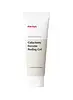
This smoothing exfoliator is formulated around Cellulose and Galactomyces Ferment Filtrate to refine skin texture.
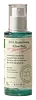
This smoothing exfoliator is formulated around Gluconolactone to refine skin texture and brighten dull-looking skin.

What's inside
What's inside
 Key Ingredients
Benefits
Concerns
No concerns
Ingredients Side-by-side
Water
Skin ConditioningDipropylene Glycol
HumectantCellulose
Absorbent
Propylene Glycol
Humectant


Quaternium-60
Carbomer
Emulsion Stabilising1,2-Hexanediol
Skin Conditioning
Galactomyces Ferment Filtrate
Humectant





Sodium Hyaluronate
Humectant
Hydroxypropyltrimonium Hyaluronate
Hydrolyzed Hyaluronic Acid
Humectant
Sodium Acetylated Hyaluronate
Humectant
Hyaluronic Acid
Humectant
Sodium Hyaluronate Crosspolymer
Humectant
Potassium Hyaluronate
Skin ConditioningPapain
Skin Conditioning
Maltodextrin
Absorbent
Caprylyl Glycol
Emollient
Allantoin
Skin Conditioning
Xylitylglucoside
Humectant
Anhydroxylitol
Humectant
Xylitol
Humectant
C12-14 Pareth-12
EmulsifyingGluconolactone
Chelating



Glucose
Humectant
Sodium Metabisulfite
Antioxidant

Citrus Aurantium Dulcis Peel Oil
Masking

Pogostemon Cablin Leaf Oil
Masking
Cananga Odorata Flower Oil
Masking

Disodium EDTA
ChelatingLimonene
Perfuming
Water, Dipropylene Glycol, Cellulose, Propylene Glycol, Quaternium-60, Carbomer, 1,2-Hexanediol, Galactomyces Ferment Filtrate, Sodium Hyaluronate, Hydroxypropyltrimonium Hyaluronate, Hydrolyzed Hyaluronic Acid, Sodium Acetylated Hyaluronate, Hyaluronic Acid, Sodium Hyaluronate Crosspolymer, Potassium Hyaluronate, Papain, Maltodextrin, Caprylyl Glycol, Allantoin, Xylitylglucoside, Anhydroxylitol, Xylitol, C12-14 Pareth-12, Gluconolactone, Glucose, Sodium Metabisulfite, Citrus Aurantium Dulcis Peel Oil, Pogostemon Cablin Leaf Oil, Cananga Odorata Flower Oil, Disodium EDTA, Limonene
Water
Skin ConditioningButylene Glycol
Humectant
Gluconolactone 10%
Chelating
Glycerin
Humectant
Tromethamine
Buffering1,2-Hexanediol
Skin Conditioning
Sclerotium Gum
Emulsion StabilisingSodium Acrylic Acid/Ma Copolymer
Xanthan Gum
EmulsifyingEthylhexylglycerin
Skin ConditioningDisodium EDTA
ChelatingCaprylyl Glycol
Emollient
Camellia Japonica Flower Extract
EmollientCarica Papaya Fruit Extract
Skin ConditioningPyrus Malus Fruit Extract
Skin Conditioning
Vitis Vinifera Fruit Extract
Skin ConditioningPrunus Mume Fruit Extract
Humectant
Cucumis Sativus Fruit Extract
Emollient
Centella Asiatica Extract
Cleansing
Tocopherol
Antioxidant
Water, Butylene Glycol, Gluconolactone 10%, Glycerin, Tromethamine, 1,2-Hexanediol, Sclerotium Gum, Sodium Acrylic Acid/Ma Copolymer, Xanthan Gum, Ethylhexylglycerin, Disodium EDTA, Caprylyl Glycol, Camellia Japonica Flower Extract, Carica Papaya Fruit Extract, Pyrus Malus Fruit Extract, Vitis Vinifera Fruit Extract, Prunus Mume Fruit Extract, Cucumis Sativus Fruit Extract, Centella Asiatica Extract, Tocopherol
Reviews
Ingredients Explained
These ingredients are found in both products.
Ingredients higher up in an ingredient list are typically present in a larger amount.
1,2-Hexanediol is a synthetic liquid and another multi-functional powerhouse.
It is a:
- Humectant, drawing moisture into the skin
- Emollient, helping to soften skin
- Solvent, dispersing and stabilizing formulas
- Preservative booster, enhancing the antimicrobial activity of other preservatives
Caprylyl Glycol is a humectant, skin conditioner, emollient, and preservative booster derived from either caprylic acid or synthetically created.
Typical use levels vary from 0.3-1% as a preservative booster and go up to 2% to condition skin.
Because it is not a free-fatty acid, this ingredient is fungal acne safe (there's nothing for Malassezia to feed on).
Learn more about Caprylyl GlycolDisodium EDTA is a chelating agent. It grabs onto and deactivates metal ions that sneak into your products from water, packaging, or air.
This ingredient mainly works behind the scenes and helps with:
On top of that, this ingredient can counteract the effects of hard water by binding to the minerals in it.
One thing worth knowing is that Disodium EDTA has been shown to be a mild penetration enhancer. It can help other ingredients absorb into skin more effectively which can be a double-edged sword (great for actives, but can also make the active too strong if you have sensitive skin).
Clinical patch testing showed no significant skin irritation at typical use concentrations and minimal dermal absorption.
You'll most likely see this ingredient near the end of an ingredient list. It's typically found in concentrations less than 1%.
Learn more about Disodium EDTAGluconolactone is a PHA. PHAs are a great gentle alternative to traditional AHAs.
When applied, Gluconolactone has the same affect on skin as AHAs such as lactic acid. It helps dissolve the dead skin cells in the top layer of your skin. This improves texture and brightens the skin.
PHAs are more gentle than AHAs due to their larger structure. They do not penetrate as deeply as AHAs and take a longer time to dissolve dead cells. Studies show PHAs do not cause as much irritation.
Gluconolactone has some interesting properties:
In a 2004 study, Gluconolactone was found to prevent UV damage in mouse skin cells and has not been found to increase sun sensitivity. However, we still recommend wearing SPF daily.
This ingredient is is an created by reacting gluconic acid with an alcohol.
Learn more about GluconolactoneWater. It's the most common cosmetic ingredient of all. You'll usually see it at the top of ingredient lists, meaning that it makes up the largest part of the product.
So why is it so popular? Water most often acts as a solvent - this means that it helps dissolve other ingredients into the formulation.
You'll also recognize water as that liquid we all need to stay alive. If you see this, drink a glass of water. Remember to stay hydrated!
Learn more about Water

