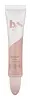
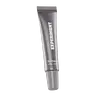
Lys Beauty Speak Love Glossy Lip Treatment Oil Versus Experiment Beauty Softwear Smoothing Lip Treatment
This lip moisturizer is formulated around Glycine Soja Oil and Daucus Carota Sativa Root Extract to hydrate lips.
This barrier-repair lip moisturizer is formulated around Squalane and Petrolatum to strengthen the lip barrier and hydrate lips.

What's inside
What's inside
 Key Ingredients
Benefits
Concerns
Ingredients Side-by-side
Polybutene
Octyldodecanol
Emollient
Tridecyl Trimellitate
EmollientHydrogenated Polyisobutene
EmollientDiisostearyl Malate
EmollientSilica Silylate
Emollient
Polyglyceryl-3 Diisostearate
Emulsifying




Polyethylene
Abrasive
Ethylene/Propylene/Styrene Copolymer
Butylene/Ethylene/Styrene Copolymer
Pentaerythrityl Tetra-Di-T-Butyl Hydroxyhydrocinnamate
Antioxidant
Glycine Soja Oil
Emollient



Daucus Carota Sativa Root Extract
Skin Conditioning
Beta-Carotene
Skin ConditioningTocopherol
Antioxidant




Salvia Hispanica Seed Oil
Emollient
Macadamia Ternifolia Seed Oil
Emollient
Prunus Amygdalus Dulcis Oil
Skin Conditioning
Helianthus Annuus Seed Oil
Emollient
Phenoxyethanol
Preservative
Tocopheryl Acetate
Antioxidant
Aroma


CI 15850
Cosmetic ColorantCI 15985
Cosmetic ColorantPolybutene, Octyldodecanol, Tridecyl Trimellitate, Hydrogenated Polyisobutene, Diisostearyl Malate, Silica Silylate, Polyglyceryl-3 Diisostearate, Polyethylene, Ethylene/Propylene/Styrene Copolymer, Butylene/Ethylene/Styrene Copolymer, Pentaerythrityl Tetra-Di-T-Butyl Hydroxyhydrocinnamate, Glycine Soja Oil, Daucus Carota Sativa Root Extract, Beta-Carotene, Tocopherol, Salvia Hispanica Seed Oil, Macadamia Ternifolia Seed Oil, Prunus Amygdalus Dulcis Oil, Helianthus Annuus Seed Oil, Phenoxyethanol, Tocopheryl Acetate, Aroma, CI 15850, CI 15985
Squalane
Emollient
Ethylene/Propylene/Styrene Copolymer
Petrolatum
Emollient
Punica Granatum Sterols
Skin Conditioning
Water
Skin ConditioningPhytosteryl/Isostearyl/Cetyl/Stearyl/Behenyl Dimer Dilinoleate
Skin Conditioning
Octyldodecanol
Emollient
Glycerin
Humectant
Euphorbia Cerifera Wax
Polyglyceryl-2 Diisostearate
Emulsifying
Butylene/Ethylene/Styrene Copolymer
Silica Silylate
Emollient
Hydroxycaprylic Acid
Skin ConditioningPhenoxyethanol
Preservative
Methylpropanediol
SolventPentaerythrityl Tetra-Di-T-Butyl Hydroxyhydrocinnamate
Antioxidant
Caprylyl Glycol
Emollient
Tocopherol
Antioxidant
Squalane, Ethylene/Propylene/Styrene Copolymer, Petrolatum, Punica Granatum Sterols, Water, Phytosteryl/Isostearyl/Cetyl/Stearyl/Behenyl Dimer Dilinoleate, Octyldodecanol, Glycerin, Euphorbia Cerifera Wax, Polyglyceryl-2 Diisostearate, Butylene/Ethylene/Styrene Copolymer, Silica Silylate, Hydroxycaprylic Acid, Phenoxyethanol, Methylpropanediol, Pentaerythrityl Tetra-Di-T-Butyl Hydroxyhydrocinnamate, Caprylyl Glycol, Tocopherol
Reviews
Ingredients Explained
These ingredients are found in both products.
Ingredients higher up in an ingredient list are typically present in a larger amount.
This ingredient is a high-molecular weight synthetic polymer. It is used to modify the viscosity of a formula, improve slip, and create a more "cushiony" texture.
Due to its large molecular size, this ingredient is not absorbed into the skin.
This is a synthetic polymer used to thicken formulas, improve texture, and enhance spreadability.
Due to its large molecule size, this ingredient does not penetrate the skin and is considered well-tolerated.
Octyldodecanol is a fatty alcohol sourced from plant oils like coconut or palm (or made synthetically).
It is:
You'll likely see this in many BHA products because this is the go-to solvent for salicylic acid.
This ingredient is typically used at levels between 2-20%.
Regarding fungal acne:
In 2019, this ingredient was tested against multiple Malassezia species (the yeast that causes fungal acne) and showed no growth.
Pentaerythrityl Tetra-Di-T-Butyl Hydroxyhydrocinnamate (long name, huh?) is a synthetic antioxidant.
It is used to help stabilize other antioxidants or prevent the color from changing in a product.
As an antioxidant, it helps fight free-radical molecules. Free-radical molecules are capable of damaging our cells and other genetic material. Thus, antioxidants may reduce the signs of aging.
This ingredient is oil-soluble.
Learn more about Pentaerythrityl Tetra-Di-T-Butyl HydroxyhydrocinnamatePhenoxyethanol is one of the most widely used preservatives in skincare (and for good reason!).
It has a large spectrum of antimicrobial activity and especially effective bacteria, yeast, and mold while only having a weak effect on your skin's natural microbiome.
On a cellular level, it disrupts the cell membranes of microbes by poking holes that make the cell leak. This shuts down the chemical reactions the microbe needs to make energy so it can no longer survive.
Another perk of this ingredient is that it stays functional across a wide pH range (3-10).
You'll often see it paired with boosters like Ethylhexylglycerin; one study showed that a 1:9 ratio of Ethylhexylglycerin to Phenoxyethanol damages bacterial membranes as effectively as doubling the Phenoxyethanol concentration on its own.
Typical use concentrations range from 0.3-1% depending on the formula, and this ingredient is capped at 1% int the EU.
Safety-wise, the fear mongering does not hold up to the evidence. The EU's Scientific Committee on Consumer Safety and FDA consider it safe as a preservative at up to 1%, including for children of all ages.
Adverse systemic effects only showed up in animal studies at exposures roughly 200x higher than what people get from cosmetics. And despite its very widespread use, this ingredient is a rare sensitizer and allergic reactions are uncommon.
Learn more about PhenoxyethanolSilica Silylate is a siloxane polymer, meaning it is made up of silicon and oxygen atoms. It is not soluble in water.
This ingredient is a white powder with oil-absorbing, emollient, and anticaking properties.
Tocopherol is a fat-soluble antioxidant known as Vitamin E.
You'll find this ingredient in the vast majority of skincare (for good reason). It works to neutralize free radicals, or unstable molecules generated by UV exposure, pollution, and other environmental stressors, before they can cause oxidative damage to your skin cells.
Topically applied tocopherol has been shown to protect against UV damage by ramping up the skin's own natural defense enzymes.
It also acts as a skin conditioning agent; some studies show that regular topical use can improve the skin's water-binding capacity over 2-4 weeks.
This ingredient is especially loved for being a team player. When combined with Vitamin C, the photoprotective effect of both ingredients roughly doubles and the combo also helps reduce UV-induced DNA damage.
This ingredient has some brightening potential but it's more of a prevention ingredient than spot-fader. Cell studies show it can slow down melanin production but it's worth noting that it's not the most powerful brightener out there.
In formulations, it also serves as a stabilizer that helps protect other oxidation-prone ingredients from degrading.
Concentrations usually range from 0.1-1% in most leave-on products.
Learn more about Tocopherol

