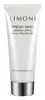
This smoothing exfoliator is formulated around Cellulose and Glycolic Acid to refine skin texture and brighten dull-looking skin.

What's inside
What's inside
 Key Ingredients
Benefits
Concerns
Ingredients Side-by-side
Water
Skin ConditioningCellulose
Absorbent
Butylene Glycol
Humectant

Propylene Glycol
Humectant

Alcohol
Antimicrobial


Phenoxyethanol
Preservative
Polysorbate 20
Emulsifying
Carbomer
Emulsion StabilisingTromethamine
BufferingPyrus Malus Fruit Extract
Skin Conditioning
Carica Papaya Fruit
Skin ConditioningEthylhexylglycerin
Skin ConditioningDisodium EDTA
Chelating1,2-Hexanediol
Skin Conditioning
Glycolic Acid
Buffering








Sodium Hyaluronate
Humectant

Vaccinium Macrocarpon Fruit Extract
AstringentRubus Idaeus Fruit Extract
AstringentPrunus Serotina Fruit Extract
MaskingCornus Officinalis Fruit Extract
Skin ConditioningPunica Granatum Fruit Extract
Antioxidant

Water, Cellulose, Butylene Glycol, Propylene Glycol, Alcohol, Phenoxyethanol, Polysorbate 20, Carbomer, Tromethamine, Pyrus Malus Fruit Extract, Carica Papaya Fruit, Ethylhexylglycerin, Disodium EDTA, 1,2-Hexanediol, Glycolic Acid, Sodium Hyaluronate, Vaccinium Macrocarpon Fruit Extract, Rubus Idaeus Fruit Extract, Prunus Serotina Fruit Extract, Cornus Officinalis Fruit Extract, Punica Granatum Fruit Extract
Water
Skin ConditioningCellulose
Absorbent
Butylene Glycol
Humectant
Propylene Glycol
Humectant
Alcohol
Antimicrobial
1,2-Hexanediol
Skin Conditioning
Bromelain
Skin Conditioning
Ananas Sativus Fruit Extract
Skin ConditioningPapain
Skin Conditioning
Carica Papaya Fruit Extract
Skin ConditioningCitric Acid
Buffering
Lactic Acid
Buffering
Malic Acid
Buffering
Salicylic Acid
Masking
Tartaric Acid
Buffering
Glycolic Acid
Buffering
Zingiber Officinale Root Extract
Masking
Glycerin
Humectant
Rosa Centifolia Flower Extract
Astringent
Cocos Nucifera Fruit Extract
Emollient

Prunus Amygdalus Dulcis Oil
Skin Conditioning
Salix Alba Bark Extract
Astringent
Saccharum Officinarum Extract
MoisturisingAcer Saccharum Extract
Skin ConditioningCamellia Japonica Leaf Extract
Skin ConditioningCitrus Paradisi Seed Extract
Masking
Phellodendron Amurense Bark Extract
Skin ConditioningMannitol
Humectant
Psidium Guajava Leaf Extract
AstringentCamellia Sinensis Leaf Extract
Antimicrobial
Mangifera Indica Fruit Extract
Skin ConditioningMusa Sapientum Fruit Extract
Skin ConditioningPassiflora Edulis Fruit Extract
Skin ConditioningCitrus Aurantium Dulcis Fruit Extract
MaskingCitrus Limon Fruit Extract
Masking
Vaccinium Myrtillus Fruit Extract
Skin ConditioningMagnolia Officinalis Bark Extract
Antimicrobial
Sodium Hyaluronate
Humectant
Ethylhexylglycerin
Skin ConditioningGluconolactone
Chelating
Polysorbate 20
Emulsifying
Carbomer
Emulsion StabilisingTromethamine
BufferingPropanediol
Solvent
Disodium EDTA
ChelatingPhenoxyethanol
Preservative
Benzyl Alcohol
Perfuming
Parfum
Masking
Water, Cellulose, Butylene Glycol, Propylene Glycol, Alcohol, 1,2-Hexanediol, Bromelain, Ananas Sativus Fruit Extract, Papain, Carica Papaya Fruit Extract, Citric Acid, Lactic Acid, Malic Acid, Salicylic Acid, Tartaric Acid, Glycolic Acid, Zingiber Officinale Root Extract, Glycerin, Rosa Centifolia Flower Extract, Cocos Nucifera Fruit Extract, Prunus Amygdalus Dulcis Oil, Salix Alba Bark Extract, Saccharum Officinarum Extract, Acer Saccharum Extract, Camellia Japonica Leaf Extract, Citrus Paradisi Seed Extract, Phellodendron Amurense Bark Extract, Mannitol, Psidium Guajava Leaf Extract, Camellia Sinensis Leaf Extract, Mangifera Indica Fruit Extract, Musa Sapientum Fruit Extract, Passiflora Edulis Fruit Extract, Citrus Aurantium Dulcis Fruit Extract, Citrus Limon Fruit Extract, Vaccinium Myrtillus Fruit Extract, Magnolia Officinalis Bark Extract, Sodium Hyaluronate, Ethylhexylglycerin, Gluconolactone, Polysorbate 20, Carbomer, Tromethamine, Propanediol, Disodium EDTA, Phenoxyethanol, Benzyl Alcohol, Parfum
Reviews
Ingredients Explained
These ingredients are found in both products.
Ingredients higher up in an ingredient list are typically present in a larger amount.
1,2-Hexanediol is a synthetic liquid and another multi-functional powerhouse.
It is a:
- Humectant, drawing moisture into the skin
- Emollient, helping to soften skin
- Solvent, dispersing and stabilizing formulas
- Preservative booster, enhancing the antimicrobial activity of other preservatives
This ingredient is also called ethanol or ethyl alcohol. It is denatured, meaning made undrinkable for cosmetic use.
In formulas, it:
Is it bad for your skin?
The answer comes down to concentration. Patch and wash studies have found highly concentrated alcohol-based hand rubs (60-100%) cause less barrier disruption than washing with a basic detergent like SLS. The only measurable effect in these studies was a temporary dip in skin hydration.
Concentrations below 12-15% in leave-on cosmetics is generally well-tolerated. Concentrations above start to see increased transepidermal water loss (TEWL) and reduced hydration.
In concentrations about 58%, it creates temporary channels in your skin's lipid layers to become more permeable and allow other ingredients to slip through easily.
This ingredient can be up to 80% of the formula in alcohol-based perfumes.
Overall, this ingredient is probably harmless if found lower down an ingredients list but worth side-eyeing if it's high up (especially if your barrier is already struggling).
Alcohol can worsen dry skin, eczema, and oily skin, especially at higher concentrations. This is because it can increase transepidermal water loss and decrease hydration to disrupt the skin barrier.
According to the National Rosacea Society based in the US, you should be mindful of products with these alcohols in the top half of ingredients.
True allergic contact dermatitis to ethanol is uncommon, but be sure to patch test if you have dry or sensitive skin.
Learn more about AlcoholButylene Glycol (or BG) is used within cosmetic products for a few different reasons:
Overall, Butylene Glycol is a safe and well-rounded ingredient that works well with other ingredients.
Though this ingredient works well with most skin types, some people with sensitive skin may experience a reaction such as allergic rashes, closed comedones, or itchiness.
Learn more about Butylene GlycolCarbomer is a synthetic thickening and gelling agent. It's basically the ingredient that gives a lot of serums, gels, creams, and sunscreens their smooth, non-sticky texture.
Although legally permitted at very high levels, carbomers are normally used at concentrations below 1%.
It also needs to be neutralized to actually thicken, and because it is a large molecule, it doesn't really penetrate the skin barrier.
Allergy-wise, the risk is very low. Clinical studies show carbomers have low potential for skin irritation/sensitization even at concentrations up to 100%.
A 2024 UK study patch-tested 1,302 patients and found true allergy to the parent group of carbomer to be rare with no confirmed relevant reactions.
Learn more about CarbomerCellulose is the main component of plant cell walls. It is used as an emulsifier, absorbent, and texture enhancer.
This ingredient has many functions:
Fun fact: Cellulose is the most abundant form of organic polymer on Earth.
Learn more about CelluloseDisodium EDTA is a chelating agent. It grabs onto and deactivates metal ions that sneak into your products from water, packaging, or air.
This ingredient mainly works behind the scenes and helps with:
On top of that, this ingredient can counteract the effects of hard water by binding to the minerals in it.
One thing worth knowing is that Disodium EDTA has been shown to be a mild penetration enhancer. It can help other ingredients absorb into skin more effectively which can be a double-edged sword (great for actives, but can also make the active too strong if you have sensitive skin).
Clinical patch testing showed no significant skin irritation at typical use concentrations and minimal dermal absorption.
You'll most likely see this ingredient near the end of an ingredient list. It's typically found in concentrations less than 1%.
Learn more about Disodium EDTAEthylhexylglycerin is created from glycerin. It is a multitasker ingredient that:
The CIR Expert Panel found minimal skin absorption or sensitization of any kind in a safety assessment. Though this ingredient is considered well-tolerated, a small number of cases of allergic dermatitis have been published since 2002. Just be sure to patch test if you are unsure.
Industry-reported use ranges from 8% in rinse-off products and 2% in leave-on formulations.
Learn more about EthylhexylglycerinGlycolic Acid is arguably the most famous alpha hydroxy acid (AHA) with tons of research backing its benefits.
It is found naturally in sugar cane but the form used in skincare is usually synthetic for purity and stability.
Glycolic acid removes the top layer of dead skin cells to allow newer and fresher ones to emerge.
AHAs work by breaking down the structural “glue” that holds old skin cells in place. When that buildup is gone, your skin can renew itself more efficiently.
Research also shows glycolic acid stimulates collagen production, helping to firm and thicken the skin over time. This is one of its biggest advantages over other AHAs.
Overall, glycolic acid helps with:
Fun fact: Glycolic acid boosts skin hydration by helping it produce molecules that increase hyaluronic acid naturally.
To work best, glycolic acid products should have a pH between 3-4 (that’s where exfoliation is most effective but still gentle on skin).
The pH and concentration of a product are key to its effectiveness:
It is normal to feel a slight stinging sensation when using glycolic acid. This usually fades as your skin adjusts.
Because glycolic acid has the smallest molecular size in the AHA family, it can penetrate deeper, which enhances its effectiveness but also makes it more likely to irritate sensitive skin.
If your skin is very sensitive or prone to rosacea, glycolic acid may be too strong; in that case, try milder options like lactic acid or a PHA instead.
Recent studies suggest glycolic acid might even help protect against UV damage. But don’t skip sunscreen! Freshly exfoliated skin is more sensitive to the sun.
Glycolic acid is a skincare superstar. It smooths, brightens, hydrates, and firms the skin. Unless you’re highly sensitive, it’s well worth adding to your routine.
Read more about some other popular AHA's here:
Learn more about Glycolic AcidPhenoxyethanol is one of the most widely used preservatives in skincare (and for good reason!).
It has a large spectrum of antimicrobial activity and especially effective bacteria, yeast, and mold while only having a weak effect on your skin's natural microbiome.
On a cellular level, it disrupts the cell membranes of microbes by poking holes that make the cell leak. This shuts down the chemical reactions the microbe needs to make energy so it can no longer survive.
Another perk of this ingredient is that it stays functional across a wide pH range (3-10).
You'll often see it paired with boosters like Ethylhexylglycerin; one study showed that a 1:9 ratio of Ethylhexylglycerin to Phenoxyethanol damages bacterial membranes as effectively as doubling the Phenoxyethanol concentration on its own.
Typical use concentrations range from 0.3-1% depending on the formula, and this ingredient is capped at 1% int the EU.
Safety-wise, the fear mongering does not hold up to the evidence. The EU's Scientific Committee on Consumer Safety and FDA consider it safe as a preservative at up to 1%, including for children of all ages.
Adverse systemic effects only showed up in animal studies at exposures roughly 200x higher than what people get from cosmetics. And despite its very widespread use, this ingredient is a rare sensitizer and allergic reactions are uncommon.
Learn more about PhenoxyethanolPolysorbate 20 is a gentle, water-soluble emulsifier and mild surfactant. It stops oil and water from separating to keep your formulas blended and stable.
It also acts as a mild penetration enhancer by helping active ingredients absorb slightly better.
The common safety discussion around this ingredient involves a manufacturing byproduct called 1,4-dioxane.
Trace amounts can form during production but the EU's Scientific Committee on Consumer Safety has concluded that levels at/below 10 ppm in finished products are safe (commercial products consistently fall within acceptable margins).
True allergic reactions are uncommon and the CIR Expert Panel has confirmed this ingredient to be safe as used in cosmetics.
Because it is derived from lauric acid, it may not be fungal acne safe.
Learn more about Polysorbate 20Propylene Glycol is a synthetic, colorless, odorless liquid that has been a staple in cosmetics for decades. It is a skin conditioning agent, humectant, and solvent.
As a humectant, it draw water to the skin to reduce flaking and restore suppleness. It's also a solvent that helps dissolve other actives and keeps formulas stable across temperature changes.
The CIR Expert Panel has confirmed this ingredient to be nontoxic and clinical studies show no sensitization at cosmetic use concentrations.
True allergic reactions are quite rare: a 15-year retrospective study of 6,751 patients found only 0.31% had a positive reaction (and less than half were considered clinically relevant).
It seemed that when sensitization does occur, it's most commonly linked to topical medication (like corticosteroids) and not cosmetics. Allergic contact dermatitis also appears largely limited to individuals with underlying skin conditions.
Overall, propylene glycol is a well-studied ingredient that most people can tolerate without issue.
Learn more about Propylene GlycolSodium Hyaluronate is the salt form of hyaluronic acid. It is a long sugar chain that is naturally found in your skin, joints, and connective tissue that maintains hydration and elasticity.
In skincare, it works as a humectant. It pulls water from the environment and deeper layers of skin and binds it to the surface.
Interestingly, the size of the molecule affects its behavior:
Some clinical evidence links low molecular weight versions to improved wrinkle depth, elasticity, anti-inflammatory effects, and barrier repair.
Many serums use a blend of both weights so you can get surface hydration plus longer-lasting and deeper effects.
You'll typically see concentrations between 0.1-2% for this ingredient.
Learn more about Sodium HyaluronateTromethamine (aka THAM) is a synthetic amino acid that shows up in skincare as a helper ingredient.
It functions as a pH adjuster to help neutralize acidic ingredients and set a formula's pH to the right spot.
This matters a lot because a lot of actives (like vitamin C) needs a specific pH to work well and feel comfortable on skin.
Concentration use ranges from 0.1-1.0% depending on the formula.
Learn more about TromethamineWater. It's the most common cosmetic ingredient of all. You'll usually see it at the top of ingredient lists, meaning that it makes up the largest part of the product.
So why is it so popular? Water most often acts as a solvent - this means that it helps dissolve other ingredients into the formulation.
You'll also recognize water as that liquid we all need to stay alive. If you see this, drink a glass of water. Remember to stay hydrated!
Learn more about Water

