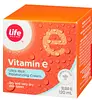
This brightening night moisturizer is formulated around Tocopheryl Acetate to brighten dull-looking skin.
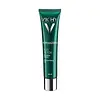
This oil-control night moisturizer is formulated around Salicylic Acid and Capryloyl Salicylic Acid to balance excess oil and refine the look of pores.


What's inside
What's inside
 Key Ingredients
Benefits
Concerns
Ingredients Side-by-side
Water
Skin ConditioningTocopheryl Acetate
Antioxidant


Dicaprylyl Carbonate
EmollientStearic Acid
Cleansing



Cetyl Alcohol
Emollient

PEG-40 Stearate
Emulsifying
Glycerin
Humectant

Camellia Sinensis Leaf Extract
Antimicrobial




Glyceryl Stearate
Emollient
Caprylyl Glycol
Emollient
Iodopropynyl Butylcarbamate
Preservative
Triethanolamine
BufferingCarbomer
Emulsion StabilisingPhenoxyethanol
Preservative
Dimethicone
Emollient
Parfum
Masking



Alcohol
Antimicrobial

Foeniculum Vulgare Fruit Extract
EmollientHumulus Lupulus Extract
AntimicrobialMelissa Officinalis Leaf Extract
Skin ConditioningViscum Album Extract
Skin ConditioningChamomilla Recutita Extract
Skin Conditioning
Achillea Millefolium Extract
CleansingHydrolyzed Elastin
EmollientWater, Tocopheryl Acetate, Dicaprylyl Carbonate, Stearic Acid, Cetyl Alcohol, PEG-40 Stearate, Glycerin, Camellia Sinensis Leaf Extract, Glyceryl Stearate, Caprylyl Glycol, Iodopropynyl Butylcarbamate, Triethanolamine, Carbomer, Phenoxyethanol, Dimethicone, Parfum, Alcohol, Foeniculum Vulgare Fruit Extract, Humulus Lupulus Extract, Melissa Officinalis Leaf Extract, Viscum Album Extract, Chamomilla Recutita Extract, Achillea Millefolium Extract, Hydrolyzed Elastin
Water
Skin ConditioningGlycerin
Humectant
Alcohol Denat.
Antimicrobial
Hydroxyethylpiperazine Ethane Sulfonic Acid
BufferingIsononyl Isononanoate
EmollientIsopropyl Lauroyl Sarcosinate
Skin ConditioningPentaerythrityl Tetraethylhexanoate
Emollient
PEG-20 Stearate
Emulsifying
Dimethicone
Emollient
Cetyl Alcohol
Emollient
Silica
Abrasive
CI 42090
Cosmetic ColorantGlyceryl Stearate
Emollient
Triethanolamine
BufferingSalicylic Acid
Masking


Sodium Polyacrylate
Absorbent
Perlite
Absorbent
Poloxamer 338
EmulsifyingTocopheryl Acetate
Antioxidant
Ammonium Polyacryloyldimethyl Taurate
Emulsion StabilisingCapryloyl Salicylic Acid
Exfoliating
Tetrasodium EDTA
ChelatingMethyl Di-T-Butyl Hydroxyhydrocinnamate
Antioxidant
Acrylates/C10-30 Alkyl Acrylate Crosspolymer
Emulsion StabilisingAcrylates Copolymer
Parfum
Masking
Water, Glycerin, Alcohol Denat., Hydroxyethylpiperazine Ethane Sulfonic Acid, Isononyl Isononanoate, Isopropyl Lauroyl Sarcosinate, Pentaerythrityl Tetraethylhexanoate, PEG-20 Stearate, Dimethicone, Cetyl Alcohol, Silica, CI 42090, Glyceryl Stearate, Triethanolamine, Salicylic Acid, Sodium Polyacrylate, Perlite, Poloxamer 338, Tocopheryl Acetate, Ammonium Polyacryloyldimethyl Taurate, Capryloyl Salicylic Acid, Tetrasodium EDTA, Methyl Di-T-Butyl Hydroxyhydrocinnamate, Acrylates/C10-30 Alkyl Acrylate Crosspolymer, Acrylates Copolymer, Parfum
Reviews
Ingredients Explained
These ingredients are found in both products.
Ingredients higher up in an ingredient list are typically present in a larger amount.
Cetyl Alcohol is a fatty alcohol. Fatty Alcohols are most often used as an emollient or to thicken a product.
Its main roles are:
Though it has "alcohol" in the name, it is not related to denatured alcohol or ethyl alcohol.
The FDA allows products labeled "alcohol-free" to have fatty alcohols.
This ingredient may not be fungal acne safe. It is a primary fatty alcohol with a chain length above 12 carbons. A study from 2019 show Malassezia can feed on fatty alcohols in this range, so it may trigger fungal acne in those prone to it.
Learn more about Cetyl AlcoholDimethicone is a type of synthetic silicone created from natural materials such as quartz. It is also known as polydimethylsiloxane.
What it does:
Dimethicone comes in different viscosities:
Depending on the viscosity, dimethicone has different properties.
Ingredients lists don't always show which type is used, so we recommend reaching out to the brand if you have questions about the viscosity.
This ingredient is unlikely to cause irritation because it does not get absorbed into skin. However, people with silicone allergies should be careful about using this ingredient.
Note: Dimethicone may contribute to pilling. This is because it is not oil or water soluble, so pilling may occur when layered with products. When mixed with heavy oils in a formula, the outcome is also quite greasy.
Learn more about DimethiconeGlycerin (or glycerol) is a compound naturally found in your skin. It's a powerhouse humectant that pulls water into the stratum corneum.
Topically, glycerin does several things at once:
Your skin makes glycerin on its own (mostly from sebaceous oil breakdown) and shuttles it to your outermost layer of skin, or your epidermis, via aquaporin-3.
Aquaporin-3 is a transporter that is essential for normal skin hydration, elasticity, and repair. Interestingly, mice lacking in AQP3 have dry and less elastic skin that can be fully corrected with glycerin.
This ingredient is non-irritating, plays well with almost every ingredient, and works across all skin types. Typical use is anywhere between 3-10% but can go up to 79% in some leave-on products.
Just know very high concentrations (>40%) can feel tacky in low humidity.
Glycerin is the name for this ingredient in American English. British English uses Glycerol/Glycerine.
Learn more about GlycerinGlyceryl Stearate is made by reacting glycerin with stearic acid (typically sourced from plant oils like palm or coconut). It's an emulsifier, emollient, and mild occlusive.
Emulsifiers help ingredients like oil and water stay mixed so your formula stays nicely blended and uniform in texture.
This ingredient is typically used in concentrations between 1-10%. Studies have found it to be non-sensitizing, non-phototoxic, and non-photoallergenic.
A close cousin of this ingredient is Glyceryl Stearate SE ("self-emulsifying"). This just has a small amount of sodium or potassium stearate added so it can emulsify without a co-emulsifier.
Since this ingredient is an ester of a C18 fatty acid, it may not be fungal acne safe. The Malassezia yeast can potentially metabolize within the C11-C24 range.
Fun fact: The human body also creates Glyceryl Stearate naturally.
Learn more about Glyceryl StearateParfum is a catch-all term for an ingredient or more that is used to give a scent to products.
Also called "fragrance", this ingredient can be a blend of hundreds of chemicals or plant oils. This means every product with "fragrance" or "parfum" in the ingredients list is a different mixture.
For instance, Habanolide is a proprietary trade name for a specific aroma chemical. When used as a fragrance ingredient in cosmetics, most aroma chemicals fall under the broad labeling category of “FRAGRANCE” or “PARFUM” according to EU and US regulations.
The term 'parfum' or 'fragrance' is not regulated in many countries. In many cases, it is up to the brand to define this term.
For instance, many brands choose to label themselves as "fragrance-free" because they are not using synthetic fragrances. However, their products may still contain ingredients such as essential oils that are considered a fragrance by INCI standards.
One example is Calendula flower extract. Calendula is an essential oil that still imparts a scent or 'fragrance'.
Depending on the blend, the ingredients in the mixture can cause allergies and sensitivities on the skin. Some ingredients that are known EU allergens include linalool and citronellol.
Parfum can also be used to mask or cover an unpleasant scent.
The bottom line is: not all fragrances/parfum/ingredients are created equally. If you are worried about fragrances, we recommend taking a closer look at an ingredient. And of course, we always recommend speaking with a professional.
Learn more about ParfumTocopheryl Acetate is a stable, shelf-friendly form of vitamin E.
Formulators love it because plain vitamin E oxidizes quickly once it hits air. This acetate version stays stable and resists going off, helping to extend a product's shelf life.
It's actually inactive on its own and works like a slow-release "storage" form; the enzymes in your skin called esterases gradually convert it into active vitamin E over time.
One in vivo study showed 5% of the acetate in the living layer of the epidermis converted to vitamin E after 5 days of application. This study also found the skin gained protection against UV damage even though the conversion was slow and small.
Once converted, vitamin E acts as a skin's main fat-soluble antioxidant that fights free radicals to protect skin from damage.
Topical vitamin E generally boosts the skin's photoprotection, and it reduced UV-damage in animal models.
This ingredient has some brightening potential but it's more of a prevention ingredient than spot-fader. Cell studies show it can slow down melanin production but it's worth noting that it's not the most powerful brightener out there.
Overall, it has a pretty solid safety profile and has been found to be non-irritating and non-comedogenic. Allergic reactions may happen but stay rare due to how widely the ingredient gets used.
The concentration will vary depending on the formula; industry data shows 0.1% in baby lotions, 3% in lipsticks, and 5% in foot powders. You can also find this ingredient at 100% in a pure vitamin E oil.
Most leave-on skincare keeps it at the lower end, often between 0.5-1%.
Learn more about Tocopheryl AcetateTriethanolamine (TEA) is an emulsifier and pH adjuster. It is created using ethylene oxide and ammonia. This gives Triethanolamine a nitrogen core and a similar scent to ammonia.
As an emulsifier, it prevents ingredients from separating and enhances texture by adding volume to a product.
PH adjusters are common in cosmetic products. The pH of a product can affect the effectiveness of other ingredients. A product with a high pH may also irritate the skin.
If you are looking for the tea leaf ingredient, click here.
Learn more about TriethanolamineWater. It's the most common cosmetic ingredient of all. You'll usually see it at the top of ingredient lists, meaning that it makes up the largest part of the product.
So why is it so popular? Water most often acts as a solvent - this means that it helps dissolve other ingredients into the formulation.
You'll also recognize water as that liquid we all need to stay alive. If you see this, drink a glass of water. Remember to stay hydrated!
Learn more about Water

