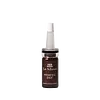
This anti-aging serum is formulated around Sh-Oligopeptide-1 and Palmitoyl Tripeptide-1 to soften the look of wrinkles and refine skin texture.
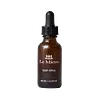
This anti-aging serum is formulated around Galactomyces Ferment Filtrate and Sh-Oligopeptide-1 to soften the look of wrinkles and strengthen the skin barrier.

What's inside
What's inside
 Key Ingredients
Benefits
Concerns
Ingredients Side-by-side
Hyaluronic Acid
Humectant




Sh-Oligopeptide-1
Skin Conditioning
Palmitoyl Tripeptide-1
Skin Conditioning
Palmitoyl Tetrapeptide-7
Skin Conditioning
Teprenone
Skin ConditioningSodium Carboxymethyl Beta-Glucan
CleansingSuperoxide Dismutase
Antioxidant


Sodium PCA
Humectant
Pseudoalteromonas Ferment Extract
Humectant

Resveratrol
Antioxidant
Trehalose
Humectant
Triacetin
AntimicrobialSodium Hyaluronate
Humectant
Oryza Sativa Bran Water
Masking
Palmitoyl Tripeptide-5
Skin Conditioning
Glutathione

Glycerin
Humectant
Phospholipids
Skin Conditioning
Argania Spinosa Sprout Cell Extract
Skin ConditioningRhododendron Ferrugineum Leaf Cell Culture Extract
Skin ConditioningSaccharomyces Cerevisiae Extract
Skin Conditioning
Urea
Buffering
Laminaria Cloustoni Extract
Skin ProtectingDipalmitoyl Hydroxyproline
Skin Conditioning
Lecithin
Emollient
Linoleic Acid
Cleansing
Mannitol
Humectant
Sodium Ascorbate
Antioxidant

Beta-Sitosterol
Emulsion Stabilising
Tocopherol
Antioxidant
Dipotassium Glycyrrhizate
Humectant
Vitis Vinifera Seed Extract
Antimicrobial
Allantoin
Skin Conditioning
Panthenol
Skin Conditioning
Aloe Barbadensis Leaf Juice
Skin Conditioning
Squalane
Emollient
Isomalt
HumectantPentylene Glycol
Skin Conditioning
Propanediol
Solvent
Caprylyl Glycol
Emollient
Ethylhexylglycerin
Skin ConditioningHyaluronic Acid, Sh-Oligopeptide-1, Palmitoyl Tripeptide-1, Palmitoyl Tetrapeptide-7, Teprenone, Sodium Carboxymethyl Beta-Glucan, Superoxide Dismutase, Sodium PCA, Pseudoalteromonas Ferment Extract, Resveratrol, Trehalose, Triacetin, Sodium Hyaluronate, Oryza Sativa Bran Water, Palmitoyl Tripeptide-5, Glutathione, Glycerin, Phospholipids, Argania Spinosa Sprout Cell Extract, Rhododendron Ferrugineum Leaf Cell Culture Extract, Saccharomyces Cerevisiae Extract, Urea, Laminaria Cloustoni Extract, Dipalmitoyl Hydroxyproline, Lecithin, Linoleic Acid, Mannitol, Sodium Ascorbate, Beta-Sitosterol, Tocopherol, Dipotassium Glycyrrhizate, Vitis Vinifera Seed Extract, Allantoin, Panthenol, Aloe Barbadensis Leaf Juice, Squalane, Isomalt, Pentylene Glycol, Propanediol, Caprylyl Glycol, Ethylhexylglycerin
Galactomyces Ferment Filtrate
Humectant
Sodium Hyaluronate
Humectant
Oryza Sativa Bran Water
Masking
Hyaluronic Acid
Humectant
Zinc Hydrolyzed Hyaluronate
HumectantHydroxypropyltrimonium Hyaluronate
Sodium Hyaluronate Dimethylsilanol
HumectantSodium Hyaluronate Crosspolymer
Humectant
C12-13 Alkyl Glyceryl Hydrolyzed Hyaluronate
Hydrolyzed Hyaluronic Acid
Humectant
Sodium Acetylated Hyaluronate
Humectant
Ascorbyl Propyl Hyaluronate
Skin Conditioning
Oligopeptide-22
Skin Conditioning
Sh-Oligopeptide-1
Skin Conditioning
Sh-Oligopeptide-2
Skin Conditioning
Saccharomyces Ferment Filtrate
Humectant
Phospholipids
Skin Conditioning
Saccharomyces Lysate Extract
Humectant
Lecithin
Emollient
Acetyl Glutamine
Skin ConditioningPropanediol
Solvent
Bacillus/Folic Acid Ferment Filtrate Extract
Antioxidant
Sh-Polypeptide-1
Skin Conditioning
Sh-Polypeptide-9
Skin Conditioning
Sh-Polypeptide-11
Hydroxyethylcellulose
Emulsion StabilisingXanthan Gum
EmulsifyingPentylene Glycol
Skin Conditioning
Caprylyl Glycol
Emollient
Ethylhexylglycerin
Skin ConditioningGalactomyces Ferment Filtrate, Sodium Hyaluronate, Oryza Sativa Bran Water, Hyaluronic Acid, Zinc Hydrolyzed Hyaluronate, Hydroxypropyltrimonium Hyaluronate, Sodium Hyaluronate Dimethylsilanol, Sodium Hyaluronate Crosspolymer, C12-13 Alkyl Glyceryl Hydrolyzed Hyaluronate, Hydrolyzed Hyaluronic Acid, Sodium Acetylated Hyaluronate, Ascorbyl Propyl Hyaluronate, Oligopeptide-22, Sh-Oligopeptide-1, Sh-Oligopeptide-2, Saccharomyces Ferment Filtrate, Phospholipids, Saccharomyces Lysate Extract, Lecithin, Acetyl Glutamine, Propanediol, Bacillus/Folic Acid Ferment Filtrate Extract, Sh-Polypeptide-1, Sh-Polypeptide-9, Sh-Polypeptide-11, Hydroxyethylcellulose, Xanthan Gum, Pentylene Glycol, Caprylyl Glycol, Ethylhexylglycerin
Ingredients Explained
These ingredients are found in both products.
Ingredients higher up in an ingredient list are typically present in a larger amount.
Caprylyl Glycol is a humectant, skin conditioner, emollient, and preservative booster derived from either caprylic acid or synthetically created.
Typical use levels vary from 0.3-1% as a preservative booster and go up to 2% to condition skin.
Because it is not a free-fatty acid, this ingredient is fungal acne safe (there's nothing for Malassezia to feed on).
Learn more about Caprylyl GlycolEthylhexylglycerin is created from glycerin. It is a multitasker ingredient that:
The CIR Expert Panel found minimal skin absorption or sensitization of any kind in a safety assessment. Though this ingredient is considered well-tolerated, a small number of cases of allergic dermatitis have been published since 2002. Just be sure to patch test if you are unsure.
Industry-reported use ranges from 8% in rinse-off products and 2% in leave-on formulations.
Learn more about EthylhexylglycerinHyaluronic acid (HA) is a glycosaminoglycan (basically a long sugar chain) that your skin already makes on its own. In your skin, HA lives in the extracellular matrix and acts as the body's moisture reservoir.
Topically, HA is a humectant that binds water and helps skin look more plump, smooth, and hydrated.
The only catch is that HA isn't a single thing; it actually comes in a wide range of molecular weights (~50 - 2,000+ kDA) and size matters.
Some clinical evidence links low molecular weight versions to improved wrinkle depth, elasticity, anti-inflammatory effects, and barrier repair.
This is why the best HA serums blend the two sizes together so you get the best of both worlds.
The majority of cosmetic HA is produced by bacterial fermentation, typically using Streptococcus or Bacillus strains. Typical use levels in skincare sit around 0.1-2%.
A clinical study using a 0.2% low-molecular weight HA gel showed improvement in facial seborrheic dermatitis with excellent tolerance.
These are some other common types of Hyaluronic Acid:
Learn more about Hyaluronic AcidLecithin is a term for a group of substances found in the cell membranes of plants, animals, and humans. They are made up of phospholipids.
Thanks to its amphiphilic structure (water-loving head and oil-loving tail), it is a true multitasker:
It plays well with most ingredients and is typically used at 0.1-1%. However, concentrations up to 50% have been reported in moisturizers.
Learn more about LecithinOryza Sativa Bran Water comes from the outer layer of a rice kernel. It is a byproduct of milling rice, or the operation to produce a whole grain rice product.
According to INCI, this ingredient is used for masking and perfuming.
Masking ingredients are used to obscure or block properties of other ingredients. They are commonly used to block the scent of a product.
Peruming ingredients help give products a scent and can be natural or synthetically created.
Learn more about Oryza Sativa Bran WaterPentylene Glycol (1,2-pentanediol) is a multitasking little diol with three main roles in a formula:
Research on alkanediols (the family pentylene glycol belongs to) show they work by disrupting microbial cell membranes. This disruption helps the primary preservative system in a product work more effectively at lower doses.
On the safety side, the Cosmetic Ingredient Review Expert Panel has concluded this ingredient to be safe as used in current cosmetic practices + concentrations.
Typical use levels in a formula run about 1-5%.
Learn more about Pentylene GlycolPhospholipids are a family of skin-identical lipids that makeup the structural backbone of every cell membrane in your body.
In cosmetics, they function as skin conditioning agents with emulsifier and surfactant properties. They're typically sourced from soybean or sunflower lecithin (or sometimes egg yolk or marine sources).
Because they mirror the lipids naturally found in the deeper layers of your skin, topical phospholipids help reinforce the lipid matrix, reduce transepidermal water loss, and leave skin feeling conditioned.
They're also used to form liposomes, or tiny self-assembling vesible used to stabilize actives like vitamin c or retinol. This helps these ingredients integrate into the upper layers of skin more easily.
Phospholipids are compatible with everything and the CIR Expert Panel has concluded them to be safe at current use levels.
Some types of phospholipids include:
Learn more about PhospholipidsPropanediol is an all-star ingredient. It softens, hydrates, and smooths the skin.
It’s often used to:
Propanediol is not likely to cause sensitivity and considered safe to use. It is derived from corn or petroleum with a clear color and no scent.
Learn more about Propanediolsh-Oligopeptide-1 is a peptide found naturally in our bodies. Peptides are the building blocks for collagen and elastin in our skin.
In cosmetics, this ingredient is bioengineered to be identical to a human gene that codes for epidermal growth factor (EGF). EGF are signal molecules that simulate cell growth and healing.
Studies find EGF help with:
In South Korea and China, EGF is considered a controversial ingredient. The South Korean Ministry of Food and Drug Safety has cracked down on companies with products including EGF due to false advertisement claims.
According to Dr. Zoe Draelos, growth factors have some drawbacks:
There is also controversy surrounding growth factors. The controversy is due to their mitogenic activity, or their ability to increase the number of cells. It is best to avoid using growth factors if you have psoriasis or are at risk of skin cancer. However, it should be noted EGF are not mutagenic - meaning they will not cause cancer.
Learn more about Sh-Oligopeptide-1Sodium Hyaluronate is the salt form of hyaluronic acid. It is a long sugar chain that is naturally found in your skin, joints, and connective tissue that maintains hydration and elasticity.
In skincare, it works as a humectant. It pulls water from the environment and deeper layers of skin and binds it to the surface.
Interestingly, the size of the molecule affects its behavior:
Some clinical evidence links low molecular weight versions to improved wrinkle depth, elasticity, anti-inflammatory effects, and barrier repair.
Many serums use a blend of both weights so you can get surface hydration plus longer-lasting and deeper effects.
You'll typically see concentrations between 0.1-2% for this ingredient.
Learn more about Sodium Hyaluronate

