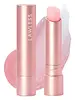
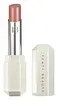
Lawless Forget The Filler Lip Plumping Line Smoothing Tinted Balm Stick Versus Fenty Beauty Slip Shine Sheer Shiny Lipstick

What's inside
What's inside
 Key Ingredients
Benefits
Concerns
Ingredients Side-by-side
Dipentaerythrityl Hexahydroxystearate/Hexastearate/Hexarosinate
Skin ConditioningSynthetic Beeswax
Emulsion Stabilising

Oleic/Linoleic/Linolenic Polyglycerides
Emollient
Diisostearyl Malate
EmollientOctyldodecanol
Emollient
Polyglyceryl-3 Diisostearate
Emulsifying


Microcrystalline Wax
Emulsion StabilisingHydrogenated Poly(C6-14 Olefin)
EmollientC18-21 Alkane
SolventEthylhexyl Palmitate
Emollient
Aroma


Polyhydroxystearic Acid
Emulsifying
Tocopheryl Nicotinate
Antioxidant
Olive Oil Polyglyceryl-6 Esters
Emollient
Jojoba Esters
Emollient
Menthoxypropanediol
Masking
Simmondsia Chinensis Seed Oil
Emollient


Polyglyceryl-6 Pentaoleate
Emulsifying
Helianthus Annuus Seed Wax
Skin Conditioning
Tribehenin
Emollient
Ethylene/Propylene/Styrene Copolymer
Butyrospermum Parkii Butter
Skin Conditioning
Sorbitan Isostearate
Emulsifying
Acacia Decurrens Flower Wax
Emollient
Polyglycerin-3
Humectant
Glycerin
Humectant
Water
Skin ConditioningRosa Canina Fruit Oil
Emollient
Zingiber Officinale Root Extract
Masking
Butylene/Ethylene/Styrene Copolymer
Palmitoyl Tripeptide-1
Skin Conditioning


Lactic Acid
Buffering




Phenoxyethanol
Preservative
Pentaerythrityl Tetra-Di-T-Butyl Hydroxyhydrocinnamate
Antioxidant
Tocopherol
Antioxidant

CI 73360
Cosmetic ColorantCI 77891
Cosmetic ColorantDipentaerythrityl Hexahydroxystearate/Hexastearate/Hexarosinate, Synthetic Beeswax, Oleic/Linoleic/Linolenic Polyglycerides, Diisostearyl Malate, Octyldodecanol, Polyglyceryl-3 Diisostearate, Microcrystalline Wax, Hydrogenated Poly(C6-14 Olefin), C18-21 Alkane, Ethylhexyl Palmitate, Aroma, Polyhydroxystearic Acid, Tocopheryl Nicotinate, Olive Oil Polyglyceryl-6 Esters, Jojoba Esters, Menthoxypropanediol, Simmondsia Chinensis Seed Oil, Polyglyceryl-6 Pentaoleate, Helianthus Annuus Seed Wax, Tribehenin, Ethylene/Propylene/Styrene Copolymer, Butyrospermum Parkii Butter, Sorbitan Isostearate, Acacia Decurrens Flower Wax, Polyglycerin-3, Glycerin, Water, Rosa Canina Fruit Oil, Zingiber Officinale Root Extract, Butylene/Ethylene/Styrene Copolymer, Palmitoyl Tripeptide-1, Lactic Acid, Phenoxyethanol, Pentaerythrityl Tetra-Di-T-Butyl Hydroxyhydrocinnamate, Tocopherol, CI 73360, CI 77891
Olus Oil
Emollient
Ricinus Communis Seed Oil
Masking
Polybutene
Punica Granatum Sterols
Skin Conditioning
C12-15 Alkyl Lactate
EmollientTrimethylolpropane Triisostearate
Emollient
Diisostearyl Malate
EmollientEuphorbia Cerifera Cera
Astringent
Cera Alba
Emollient
Hydrogenated Vegetable Oil
Emollient
Polyethylene
Abrasive
Synthetic Fluorphlogopite
Phenoxyethanol
Preservative
Hydrogenated Polycyclopentadiene
Vanillin
Masking
Parfum
Masking
Isododecane
EmollientTin Oxide
Abrasive
CI 77891
Cosmetic ColorantCI 77491
Cosmetic ColorantCI 77492
Cosmetic ColorantCI 77499
Cosmetic ColorantCI 15850
Cosmetic ColorantCI 73360
Cosmetic ColorantCI 45410
Cosmetic ColorantCI 19140
Cosmetic ColorantCI 42090
Cosmetic ColorantOlus Oil, Ricinus Communis Seed Oil, Polybutene, Punica Granatum Sterols, C12-15 Alkyl Lactate, Trimethylolpropane Triisostearate, Diisostearyl Malate, Euphorbia Cerifera Cera, Cera Alba, Hydrogenated Vegetable Oil, Polyethylene, Synthetic Fluorphlogopite, Phenoxyethanol, Hydrogenated Polycyclopentadiene, Vanillin, Parfum, Isododecane, Tin Oxide, CI 77891, CI 77491, CI 77492, CI 77499, CI 15850, CI 73360, CI 45410, CI 19140, CI 42090
Reviews
Alternatives
Ingredients Explained
These ingredients are found in both products.
Ingredients higher up in an ingredient list are typically present in a larger amount.
Ci 73360 is a synthetic red-pink dye.
It is soluble in water and remains chemically stable across a range of pH levels typically used in cosmetics. This helps manufacturers maintain uniform color throughout a product’s shelf life.
Because this ingredient is a regulated cosmetic colorant, its purity, manufacturing standards, and allowed uses are defined by cosmetic regulations in major markets.
Learn more about CI 73360Ci 77891 is a white pigment from Titanium dioxide. It is naturally found in minerals such as rutile and ilmenite.
It's main function is to add a white color to cosmetics. It can also be mixed with other colors to create different shades.
Ci 77891 is commonly found in sunscreens due to its ability to block UV rays.
Learn more about CI 77891Diisostearyl Malate is an emollient and most often used in lip products. It comes from isostearyl alcohol, a fatty acid, and malic acid, an AHA.
As an emollient, Diisostearyl Malate helps create a thin film on your skin to trap moisture in. This helps keep your skin soft and smooth.
Phenoxyethanol is one of the most widely used preservatives in skincare (and for good reason!).
It has a large spectrum of antimicrobial activity and especially effective bacteria, yeast, and mold while only having a weak effect on your skin's natural microbiome.
On a cellular level, it disrupts the cell membranes of microbes by poking holes that make the cell leak. This shuts down the chemical reactions the microbe needs to make energy so it can no longer survive.
Another perk of this ingredient is that it stays functional across a wide pH range (3-10).
You'll often see it paired with boosters like Ethylhexylglycerin; one study showed that a 1:9 ratio of Ethylhexylglycerin to Phenoxyethanol damages bacterial membranes as effectively as doubling the Phenoxyethanol concentration on its own.
Typical use concentrations range from 0.3-1% depending on the formula, and this ingredient is capped at 1% int the EU.
Safety-wise, the fear mongering does not hold up to the evidence. The EU's Scientific Committee on Consumer Safety and FDA consider it safe as a preservative at up to 1%, including for children of all ages.
Adverse systemic effects only showed up in animal studies at exposures roughly 200x higher than what people get from cosmetics. And despite its very widespread use, this ingredient is a rare sensitizer and allergic reactions are uncommon.
Learn more about Phenoxyethanol

