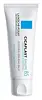
This barrier-repair moisturizer is formulated around Butyrospermum Parkii Butter and Panthenol to strengthen the skin barrier and calm redness.
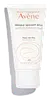
This wash off mask is made with Caprylic/Capric Triglyceride and Carthamus Tinctorius Seed Oil for a rinse-off hydration boost.

What's inside
What's inside
 Key Ingredients
No key ingredients
Benefits
Concerns
Ingredients Side-by-side
Water
Skin ConditioningHydrogenated Polyisobutene
EmollientDimethicone
Emollient

Glycerin
Humectant

Butyrospermum Parkii Butter
Skin Conditioning




Panthenol
Skin Conditioning

Butylene Glycol
Humectant
Aluminum Starch Octenylsuccinate
Absorbent
Propanediol
Solvent
Cetyl PEG/PPG-10/1 Dimethicone
Emulsifying
Tristearin
Skin ConditioningZinc Gluconate
Skin Conditioning


Madecassoside
Antioxidant


Manganese Gluconate
Skin ConditioningMagnesium Sulfate
Disodium EDTA
ChelatingCopper Gluconate
Skin Conditioning
Acetylated Glycol Stearate
Emollient
Polyglyceryl-4 Isostearate
Emulsifying
Sodium Benzoate
Masking
Phenoxyethanol
Preservative
Chlorhexidine Digluconate
Antimicrobial
CI 77891
Cosmetic ColorantWater, Hydrogenated Polyisobutene, Dimethicone, Glycerin, Butyrospermum Parkii Butter, Panthenol, Butylene Glycol, Aluminum Starch Octenylsuccinate, Propanediol, Cetyl PEG/PPG-10/1 Dimethicone, Tristearin, Zinc Gluconate, Madecassoside, Manganese Gluconate, Magnesium Sulfate, Disodium EDTA, Copper Gluconate, Acetylated Glycol Stearate, Polyglyceryl-4 Isostearate, Sodium Benzoate, Phenoxyethanol, Chlorhexidine Digluconate, CI 77891
Water
Skin ConditioningParaffinum Liquidum
Emollient

Caprylic/Capric Triglyceride
Masking
Carthamus Tinctorius Seed Oil
Masking
Palmitic Acid
Emollient
Stearic Acid
Cleansing
Hydrogenated Palm/Palm Kernel Oil PEG-6 Esters
Emollient
Triethanolamine
BufferingGlyceryl Stearate
Emollient
Microcrystalline Wax
Emulsion StabilisingPEG-100 Stearate
Surfactant
Propylene Glycol
Humectant
1,2-Hexanediol
Skin Conditioning
Caprylic/Capric Glycerides
EmollientCaprylyl Glycol
Emollient
Carbomer
Emulsion StabilisingDisodium EDTA
ChelatingParfum
Masking

Phenyl Trimethicone
Skin Conditioning
Ribes Rubrum Fruit Extract
TonicRubus Idaeus Fruit Extract
AstringentSodium Benzoate
Masking
Tocopheryl Glucoside
EmollientTropolone
Skin ConditioningVaccinium Myrtillus Fruit Extract
Skin ConditioningWater, Paraffinum Liquidum, Caprylic/Capric Triglyceride, Carthamus Tinctorius Seed Oil, Palmitic Acid, Stearic Acid, Hydrogenated Palm/Palm Kernel Oil PEG-6 Esters, Triethanolamine, Glyceryl Stearate, Microcrystalline Wax, PEG-100 Stearate, Propylene Glycol, 1,2-Hexanediol, Caprylic/Capric Glycerides, Caprylyl Glycol, Carbomer, Disodium EDTA, Parfum, Phenyl Trimethicone, Ribes Rubrum Fruit Extract, Rubus Idaeus Fruit Extract, Sodium Benzoate, Tocopheryl Glucoside, Tropolone, Vaccinium Myrtillus Fruit Extract
Reviews
Ingredients Explained
These ingredients are found in both products.
Ingredients higher up in an ingredient list are typically present in a larger amount.
Disodium EDTA is a chelating agent. It grabs onto and deactivates metal ions that sneak into your products from water, packaging, or air.
This ingredient mainly works behind the scenes and helps with:
On top of that, this ingredient can counteract the effects of hard water by binding to the minerals in it.
One thing worth knowing is that Disodium EDTA has been shown to be a mild penetration enhancer. It can help other ingredients absorb into skin more effectively which can be a double-edged sword (great for actives, but can also make the active too strong if you have sensitive skin).
Clinical patch testing showed no significant skin irritation at typical use concentrations and minimal dermal absorption.
You'll most likely see this ingredient near the end of an ingredient list. It's typically found in concentrations less than 1%.
Learn more about Disodium EDTASodium Benzoate is a preservative. It's used in both cosmetic and food products to inhibit the growth of mold and bacteria. It is typically produced synthetically.
Both the US FDA and EU Health Committee have approved the use of sodium benzoate. In the US, levels of 0.1% (of the total product) are allowed.
Sodium benzoate works as a preservative by inhibiting the growth of bacteria inside of cells. It prevents the cell from fermenting a type of sugar using an enzyme called phosphofructokinase.
It is the salt of benzoic acid. Foods containing sodium benzoate include soda, salad dressings, condiments, fruit juices, wines, and snack foods.
Studies for using ascorbic acid and sodium benzoate in cosmetics are lacking, especially in skincare routines with multiple steps.
We always recommend speaking with a professional, such as a dermatologist, if you have any concerns.
Learn more about Sodium BenzoateWater. It's the most common cosmetic ingredient of all. You'll usually see it at the top of ingredient lists, meaning that it makes up the largest part of the product.
So why is it so popular? Water most often acts as a solvent - this means that it helps dissolve other ingredients into the formulation.
You'll also recognize water as that liquid we all need to stay alive. If you see this, drink a glass of water. Remember to stay hydrated!
Learn more about Water

