

What's inside
What's inside
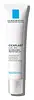 Key Ingredients
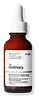
Benefits
Concerns
Ingredients Side-by-side
Glycerin 21%
Humectant


Water
Skin ConditioningDimethicone
Emollient
Panthenol
Skin Conditioning

Pentylene Glycol
Skin Conditioning
C30-45 Alkyl Dimethicone
Skin Conditioning
Polybutene
Sodium Citrate
BufferingPEG/PPG-18/18 Dimethicone
Emulsifying
Citric Acid
Buffering


Dimethiconol
Emollient
Polysorbate 20
Emulsifying
Madecassoside
Antioxidant


Caprylyl Glycol
Emollient
Sodium Hyaluronate
Humectant
Zinc Gluconate
Skin Conditioning



Copper Gluconate
Skin Conditioning
Manganese Gluconate
Skin ConditioningTocopherol
Antioxidant

Glycerin 21%, Water, Dimethicone, Panthenol, Pentylene Glycol, C30-45 Alkyl Dimethicone, Polybutene, Sodium Citrate, PEG/PPG-18/18 Dimethicone, Citric Acid, Dimethiconol, Polysorbate 20, Madecassoside, Caprylyl Glycol, Sodium Hyaluronate, Zinc Gluconate, Copper Gluconate, Manganese Gluconate, Tocopherol
Water
Skin ConditioningPropanediol
Solvent
Isodecyl Neopentanoate
EmollientPentylene Glycol
Skin Conditioning
Niacinamide
Smoothing
Hexyldecanol
Emollient
Cetearyl Alcohol
Emollient


Xylitylglucoside
Humectant
Ceteth-20 Phosphate
CleansingAnhydroxylitol
Humectant
Ethyl Linoleate
Emollient
Asiaticoside
Antioxidant
Asiatic Acid
Skin Conditioning
Madecassic Acid
Skin Conditioning
Naringenin
Skin ConditioningCyanocobalamin
Skin ConditioningPanthenyl Triacetate
4-T-Butylcyclohexanol
Masking
Hydroxyphenyl Propamidobenzoic Acid
Skin ConditioningCetylhydroxyproline Palmitamide
Skin ConditioningBisabolol
Antioxidant
Brassica Campestris Sterols
EmollientSphingolipids
Emollient
Phospholipids
Skin Conditioning
Epigallocatechin Gallatyl Glucoside
Antioxidant
Gallyl Glucoside
Antioxidant
Propyl Gallate
Antioxidant
Xylitol
Humectant
Zingiber Officinale Root Extract
Masking
Stearic Acid
Cleansing
Dicetyl Phosphate
EmulsifyingIsoceteth-20
EmulsifyingXanthan Gum
EmulsifyingTrisodium Ethylenediamine Disuccinate
Tocopherol
Antioxidant
Dehydroacetic Acid
Preservative
P-Anisic Acid
Masking
Phytic Acid
Sodium Phytate
Sodium Citrate
BufferingSodium Hydroxide
BufferingBenzyl Alcohol
Perfuming


Ethylhexylglycerin
Skin ConditioningPhenoxyethanol
Preservative
Chlorphenesin
Antimicrobial
Water, Propanediol, Isodecyl Neopentanoate, Pentylene Glycol, Niacinamide, Hexyldecanol, Cetearyl Alcohol, Xylitylglucoside, Ceteth-20 Phosphate, Anhydroxylitol, Ethyl Linoleate, Asiaticoside, Asiatic Acid, Madecassic Acid, Naringenin, Cyanocobalamin, Panthenyl Triacetate, 4-T-Butylcyclohexanol, Hydroxyphenyl Propamidobenzoic Acid, Cetylhydroxyproline Palmitamide, Bisabolol, Brassica Campestris Sterols, Sphingolipids, Phospholipids, Epigallocatechin Gallatyl Glucoside, Gallyl Glucoside, Propyl Gallate, Xylitol, Zingiber Officinale Root Extract, Stearic Acid, Dicetyl Phosphate, Isoceteth-20, Xanthan Gum, Trisodium Ethylenediamine Disuccinate, Tocopherol, Dehydroacetic Acid, P-Anisic Acid, Phytic Acid, Sodium Phytate, Sodium Citrate, Sodium Hydroxide, Benzyl Alcohol, Ethylhexylglycerin, Phenoxyethanol, Chlorphenesin
Reviews
Ingredients Explained
These ingredients are found in both products.
Ingredients higher up in an ingredient list are typically present in a larger amount.
Pentylene glycol is typically used within a product to thicken it. It also adds a smooth, soft, and moisturizing feel to the product. It is naturally found in plants such as sugar beets.
The hydrophilic trait of Pentylene Glycol makes it a humectant. As a humectant, Pentylene Glycol helps draw moisture from the air to your skin. This can help keep your skin hydrated.
This property also makes Pentylene Glycol a great texture enhancer. It can also help thicken or stabilize a product.
Pentylene Glycol also acts as a mild preservative and helps to keep a product microbe-free.
Some people may experience mild eye and skin irritation from Pentylene Glycol. We always recommend speaking with a professional about using this ingredient in your routine.
Pentylene Glycol has a low molecular weight and is part of the 1,2-glycol family.
Learn more about Pentylene GlycolSodium Citrate is the sodium salts of citric acid. In skincare, it is used to alter pH levels and acts as a preservative.
Its main functions are to maintain the pH of a product and neutralize metal ions.
The acidity of our skin is maintained by our glands and skin biome; normal pH level of skin is slightly acidic (~4.75-5.5).
Being slightly acidic allows our skin to create an "acid mantle". This acid mantle is a thin barrier that protects our skin from bacteria and contaminants.
Learn more about Sodium CitrateTocopherol is a fat-soluble antioxidant known as Vitamin E.
You'll find this ingredient in the vast majority of skincare (for good reason). It works to neutralize free radicals, or unstable molecules generated by UV exposure, pollution, and other environmental stressors, before they can cause oxidative damage to your skin cells.
Topically applied tocopherol has been shown to protect against UV damage by ramping up the skin's own natural defense enzymes.
It also acts as a skin conditioning agent; some studies show that regular topical use can improve the skin's water-binding capacity over 2-4 weeks.
This ingredient is especially loved for being a team player. When combined with Vitamin C, the photoprotective effect of both ingredients roughly doubles and the combo also helps reduce UV-induced DNA damage.
This ingredient has some brightening potential but it's more of a prevention ingredient than spot-fader. Cell studies show it can slow down melanin production but it's worth noting that it's not the most powerful brightener out there.
In formulations, it also serves as a stabilizer that helps protect other oxidation-prone ingredients from degrading.
Concentrations usually range from 0.1-1% in most leave-on products.
Learn more about TocopherolWater. It's the most common cosmetic ingredient of all. You'll usually see it at the top of ingredient lists, meaning that it makes up the largest part of the product.
So why is it so popular? Water most often acts as a solvent - this means that it helps dissolve other ingredients into the formulation.
You'll also recognize water as that liquid we all need to stay alive. If you see this, drink a glass of water. Remember to stay hydrated!
Learn more about Water
