La Roche-Posay 10% Pure Vitamin C Serum Versus La Roche-Posay Effaclar Pore-Refining and Anti-Aging Face Serum
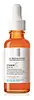
This brightening serum is formulated around Ascorbic Acid and Salicylic Acid to brighten dull-looking skin and refine skin texture.
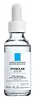
This pore-care serum is formulated around Glycolic Acid and Capryloyl Salicylic Acid to refine the look of pores and soften the look of wrinkles.

What's inside
What's inside
 Key Ingredients
Benefits
Concerns
Ingredients Side-by-side
Water
Skin ConditioningAscorbic Acid
Antioxidant






Cyclohexasiloxane
Emollient
Glycerin
Humectant

Alcohol Denat.
Antimicrobial




Potassium Hydroxide
BufferingPolymethylsilsesquioxane
Polysilicone-11

Dimethicone
Emollient
Propylene Glycol
Humectant
Pentaerythrityl Tetraethylhexanoate
Emollient
C13-14 Isoparaffin
Emollient
Tocopherol
Antioxidant

Sodium Hyaluronate
Humectant
Hydrolyzed Hyaluronic Acid
Humectant
Adenosine
Skin Conditioning
Acetyl Dipeptide-1 Cetyl Ester
Skin Conditioning
PEG-20 Methyl Glucose Sesquistearate
Emulsifying
Poloxamer 338
EmulsifyingSalicylic Acid
Masking



Polyacrylamide
Toluene Sulfonic Acid
SurfactantAmmonium Polyacryloyldimethyl Taurate
Emulsion StabilisingXanthan Gum
EmulsifyingCaprylyl Glycol
Emollient
Disodium EDTA
ChelatingBHT
Antioxidant
Laureth-7
EmulsifyingParfum
Masking

Water, Ascorbic Acid, Cyclohexasiloxane, Glycerin, Alcohol Denat., Potassium Hydroxide, Polymethylsilsesquioxane, Polysilicone-11, Dimethicone, Propylene Glycol, Pentaerythrityl Tetraethylhexanoate, C13-14 Isoparaffin, Tocopherol, Sodium Hyaluronate, Hydrolyzed Hyaluronic Acid, Adenosine, Acetyl Dipeptide-1 Cetyl Ester, PEG-20 Methyl Glucose Sesquistearate, Poloxamer 338, Salicylic Acid, Polyacrylamide, Toluene Sulfonic Acid, Ammonium Polyacryloyldimethyl Taurate, Xanthan Gum, Caprylyl Glycol, Disodium EDTA, BHT, Laureth-7, Parfum
Water
Skin ConditioningAlcohol Denat.
Antimicrobial
Hydroxyethylpiperazine Ethane Sulfonic Acid
BufferingGlycolic Acid
Buffering

Diisopropyl Adipate
EmollientPropylene Glycol
Humectant
Pentylene Glycol
Skin Conditioning
Citric Acid
Buffering
PPG-26-Buteth-26
Skin ConditioningPEG-30 Glyceryl Cocoate
Emulsifying
PEG-40 Hydrogenated Castor Oil
Emulsifying
Sodium Hydroxide
BufferingP-Anisic Acid
MaskingHydrolyzed Hyaluronic Acid
Humectant
Capryloyl Salicylic Acid
Exfoliating
Tetrasodium EDTA
ChelatingPolyquaternium-10
Water, Alcohol Denat., Hydroxyethylpiperazine Ethane Sulfonic Acid, Glycolic Acid, Diisopropyl Adipate, Propylene Glycol, Pentylene Glycol, Citric Acid, PPG-26-Buteth-26, PEG-30 Glyceryl Cocoate, PEG-40 Hydrogenated Castor Oil, Sodium Hydroxide, P-Anisic Acid, Hydrolyzed Hyaluronic Acid, Capryloyl Salicylic Acid, Tetrasodium EDTA, Polyquaternium-10
Reviews
Ingredients Explained
These ingredients are found in both products.
Ingredients higher up in an ingredient list are typically present in a larger amount.
Alcohol Denat. is an alcohol with a denaturant property. It is created by mixing ethanol with other additives.
The "denat" part just means "denatured"; common denaturants include Denatonium Benzoate, t-butyl alcohol, and Diethyl Phthalate. This step makes the alcohol undrinkable (and lets brand skip taxes related to beverage alcohol).
This ingredient gets a bad rep because it is irritating and drying due to its astringent property. Astringents draw out natural oils in tissue to constrict pores and dry out your skin.
However, alcohol denat. is not all that bad.
Due to its low molecular weight, alcohol denat. tends to evaporate quickly. One study on pig skin found half of applied alcohol evaporated in 10 seconds and less than 3% stayed on skin.
This also helps other ingredients become better absorbed upon application.
Studies are conflicted about whether this ingredient causes skin dehydration. One study from 2005 found adding emollients to propanol-based sanitizer decreased skin dryness and irritation. Another study found irritation only occurs if your skin is already damaged.
Small amounts of alcohol are generally tolerated by oily skin or people who live in humid environments.
The rule of thumb is this ingredient will probably not affect your skin much if it is near the end of an ingredients list.
One thing to note:
People with ALDH2 (aldehyde dehydrogenase 2) deficiency may experience skin irritation from continued alcohol use. About 8% of the world's population have this deficiency.
The Cosmetic Ingredient Review Expert Panel has determined denatured alcohols to be safe for use in concentrations between 0.05% and 12% (depending on which denaturant is used).
Also...
This ingredient has antimicrobial and solvent properties.
The antimicrobial property helps preserve products and increase their shelf life. As a solvent, it helps dissolve other ingredients.
Look for formulas that contain glycerin, hyaluronic acid, or panthenol if you want to offset any drying effect.
This ingredient will trip away your skin's natural oils/lipids that help it lock in moisture. This can worsen dryness, trigger eczema flare-ups, and aggravate rosacea.
Be sure to patch test any product with this ingredient if you have dry or sensitive skin, eczema, or rosacea.
Learn more about Alcohol Denat.Hydrolyzed Hyaluronic Acid is hyaluronic acid (HA) that is broken down into lower molecular weight fragments.
It's a humectant that pulls and holds water in the skin to help with hydration, plumpness, and reduce transepidermal water loss.
Because hydrolyzed hyaluronic acid is smaller in size, it can slip past your outermost layer of skin more easily than full-sized HA.
Most formulations will combine all sizes to get the best of both worlds.
Typical usage levels range from 0.01-1%. Any percentage higher than 2% might become goopy and tacky.
Learn more about Hydrolyzed Hyaluronic AcidPropylene Glycol is a synthetic, colorless, odorless liquid that has been a staple in cosmetics for decades. It is a skin conditioning agent, humectant, and solvent.
As a humectant, it draw water to the skin to reduce flaking and restore suppleness. It's also a solvent that helps dissolve other actives and keeps formulas stable across temperature changes.
The CIR Expert Panel has confirmed this ingredient to be nontoxic and clinical studies show no sensitization at cosmetic use concentrations.
True allergic reactions are quite rare: a 15-year retrospective study of 6,751 patients found only 0.31% had a positive reaction (and less than half were considered clinically relevant).
It seemed that when sensitization does occur, it's most commonly linked to topical medication (like corticosteroids) and not cosmetics. Allergic contact dermatitis also appears largely limited to individuals with underlying skin conditions.
Overall, propylene glycol is a well-studied ingredient that most people can tolerate without issue.
Learn more about Propylene GlycolWater. It's the most common cosmetic ingredient of all. You'll usually see it at the top of ingredient lists, meaning that it makes up the largest part of the product.
So why is it so popular? Water most often acts as a solvent - this means that it helps dissolve other ingredients into the formulation.
You'll also recognize water as that liquid we all need to stay alive. If you see this, drink a glass of water. Remember to stay hydrated!
Learn more about Water

