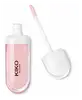
This anti-aging lip moisturizer is formulated around Sesamum Indicum Seed Extract and Sodium Hyaluronate to soften the look of wrinkles and hydrate lips.
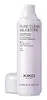
This cream makeup remover is made to dissolve makeup, sunscreen, and daily buildup.

What's inside
What's inside
 Key Ingredients
No key ingredients
Benefits
Concerns
Ingredients Side-by-side
Hydrogenated Polydecene
EmollientPolybutene
Hydrogenated Styrene/Isoprene Copolymer
Caprylic/Capric Triglyceride
Masking


Ethylhexyl Palmitate
Emollient




Bis-Behenyl/Isostearyl/Phytosteryl Dimer Dilinoleyl Dimer Dilinoleate
EmollientDipentaerythrityl Tetrahydroxystearate/Tetraisostearate
Skin Conditioning
Dimethyl Isosorbide
SolventMenthone Glycerin Acetal
Refreshing
Aroma


Pentaerythrityl Tetra-Di-T-Butyl Hydroxyhydrocinnamate
Antioxidant
Tocopherol
Antioxidant




Sesamum Indicum Seed Extract
Skin Conditioning
Silica Dimethyl Silylate
EmollientButylene Glycol
Humectant
Caprylyl Glycol
Emollient
Phenoxyethanol
Preservative
Sodium Hyaluronate
Humectant
Hexylene Glycol
EmulsifyingCI 77891
Cosmetic ColorantCI 42090
Cosmetic ColorantCI 77491
Cosmetic ColorantCI 77492
Cosmetic ColorantCI 77499
Cosmetic ColorantCI 15850
Cosmetic ColorantCI 45410
Cosmetic ColorantHydrogenated Polydecene, Polybutene, Hydrogenated Styrene/Isoprene Copolymer, Caprylic/Capric Triglyceride, Ethylhexyl Palmitate, Bis-Behenyl/Isostearyl/Phytosteryl Dimer Dilinoleyl Dimer Dilinoleate, Dipentaerythrityl Tetrahydroxystearate/Tetraisostearate, Dimethyl Isosorbide, Menthone Glycerin Acetal, Aroma, Pentaerythrityl Tetra-Di-T-Butyl Hydroxyhydrocinnamate, Tocopherol, Sesamum Indicum Seed Extract, Silica Dimethyl Silylate, Butylene Glycol, Caprylyl Glycol, Phenoxyethanol, Sodium Hyaluronate, Hexylene Glycol, CI 77891, CI 42090, CI 77491, CI 77492, CI 77499, CI 15850, CI 45410
Water
Skin ConditioningC12-15 Alkyl Benzoate
AntimicrobialCetearyl Alcohol
Emollient
Ceteareth-12
EmulsifyingOctyldodecanol
Emollient
Prunus Amygdalus Dulcis Oil
Skin Conditioning
Glycerin
Humectant
Glyceryl Stearate
Emollient
Phenoxyethanol
Preservative
Parfum
Masking
Caprylyl Glycol
Emollient
Ammonium Acryloyldimethyltaurate/Vp Copolymer
Hexylene Glycol
EmulsifyingEthylhexylglycerin
Skin ConditioningSodium Dehydroacetate
Preservative
Prunus Serrulata Flower Extract
Skin ConditioningLysine
Skin ConditioningSodium Hydroxide
BufferingT-Butyl Alcohol
Perfuming

Sodium Citrate
BufferingMagnesium Chloride
Potassium Chloride
Sodium Chloride
MaskingCitric Acid
Buffering
Potassium Sorbate
Preservative
Zinc Chloride
AntimicrobialWater, C12-15 Alkyl Benzoate, Cetearyl Alcohol, Ceteareth-12, Octyldodecanol, Prunus Amygdalus Dulcis Oil, Glycerin, Glyceryl Stearate, Phenoxyethanol, Parfum, Caprylyl Glycol, Ammonium Acryloyldimethyltaurate/Vp Copolymer, Hexylene Glycol, Ethylhexylglycerin, Sodium Dehydroacetate, Prunus Serrulata Flower Extract, Lysine, Sodium Hydroxide, T-Butyl Alcohol, Sodium Citrate, Magnesium Chloride, Potassium Chloride, Sodium Chloride, Citric Acid, Potassium Sorbate, Zinc Chloride
Ingredients Explained
These ingredients are found in both products.
Ingredients higher up in an ingredient list are typically present in a larger amount.
Caprylyl Glycol is a humectant, skin conditioner, emollient, and preservative booster derived from either caprylic acid or synthetically created.
Typical use levels vary from 0.3-1% as a preservative booster and go up to 2% to condition skin.
Because it is not a free-fatty acid, this ingredient is fungal acne safe (there's nothing for Malassezia to feed on).
Learn more about Caprylyl GlycolHexylene Glycol is a multitasker ingredient that works as a solvent, humectant, emulsifier, viscosity reducer, and preservative booster.
It is able to dissolve both water and oil-soluble ingredients to stabilize tricky actives and make products spread more easily.
As a humectant, it pulls water into the skin. But it's a pretty minor moisturizing ingredient compared to other humectants, like glycerin.
Interestingly, it can act as a mild penetration enhancer. One in vitro study on human skin found a 12% concentration upped the absorption of mometasone furoate (a medicinal ingredient used to treat inflammatory skin conditions) up to 7%.
This ingredient is typically used at levels of 0.1-10% depending on the role it's playing.
A patch test study on eczema patients didn't find a significant increase in irritation versus the control group, but the potential for irritation rises at higher concentrations.
Learn more about Hexylene GlycolPhenoxyethanol is one of the most widely used preservatives in skincare (and for good reason!).
It has a large spectrum of antimicrobial activity and especially effective bacteria, yeast, and mold while only having a weak effect on your skin's natural microbiome.
On a cellular level, it disrupts the cell membranes of microbes by poking holes that make the cell leak. This shuts down the chemical reactions the microbe needs to make energy so it can no longer survive.
Another perk of this ingredient is that it stays functional across a wide pH range (3-10).
You'll often see it paired with boosters like Ethylhexylglycerin; one study showed that a 1:9 ratio of Ethylhexylglycerin to Phenoxyethanol damages bacterial membranes as effectively as doubling the Phenoxyethanol concentration on its own.
Typical use concentrations range from 0.3-1% depending on the formula, and this ingredient is capped at 1% int the EU.
Safety-wise, the fear mongering does not hold up to the evidence. The EU's Scientific Committee on Consumer Safety and FDA consider it safe as a preservative at up to 1%, including for children of all ages.
Adverse systemic effects only showed up in animal studies at exposures roughly 200x higher than what people get from cosmetics. And despite its very widespread use, this ingredient is a rare sensitizer and allergic reactions are uncommon.
Learn more about Phenoxyethanol

