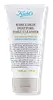
This salicylic acid clay cleanser is formulated around Salicylic Acid to clear breakouts and unclog pores.
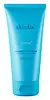
This mild cream cleanser is mild enough to cleanse without leaving skin feeling tight or stripped.


What's inside
What's inside
 Key Ingredients
Benefits
Concerns
Ingredients Side-by-side
Water
Skin ConditioningKaolin
Abrasive



Glycerin
Humectant


Alcohol Denat.
Antimicrobial




Sodium Cocoyl Glycinate
Cleansing
Coco-Betaine
Cleansing
Acrylates Copolymer
Sodium Chloride
MaskingCI 77891
Cosmetic ColorantSolum Diatomeae
Abrasive
Diatomaceous Earth
Abrasive
Phenoxyethanol
Preservative
PEG-14m
Emulsion StabilisingGlycol Distearate
Emollient
Sodium Benzoate
Masking
Aloe Barbadensis Leaf Extract
Emollient

Aloe Barbadensis Leaf Juice
Skin Conditioning
Salicylic Acid
Masking


Avena Sativa Kernel Flour
Abrasive
Tocopherol
Antioxidant



Sodium Hydroxide
BufferingAllantoin
Skin Conditioning
Water, Kaolin, Glycerin, Alcohol Denat., Sodium Cocoyl Glycinate, Coco-Betaine, Acrylates Copolymer, Sodium Chloride, CI 77891, Solum Diatomeae, Diatomaceous Earth, Phenoxyethanol, PEG-14m, Glycol Distearate, Sodium Benzoate, Aloe Barbadensis Leaf Extract, Aloe Barbadensis Leaf Juice, Salicylic Acid, Avena Sativa Kernel Flour, Tocopherol, Sodium Hydroxide, Allantoin
Water
Skin ConditioningSodium Cocoyl Isethionate
Cleansing
Coco-Glucoside
Cleansing
Kaolin
Abrasive
Coco-Betaine
Cleansing
Coconut Alcohol
Emollient
Hydrogenated Coconut Acid
Emollient
Stearyl Alcohol
Emollient
Maltooligosyl Glucoside
Skin ConditioningPropanediol
Solvent
Titanium Dioxide
Cosmetic Colorant

Betaine
Humectant
Behenyl Alcohol
Emollient
Simmondsia Chinensis Seed Oil
Emollient
Aloe Barbadensis Leaf Juice Powder
Skin Conditioning
Sodium Isethionate
CleansingHydroxypropyl Methylcellulose
Emulsion StabilisingSodium Chloride
MaskingHydrogenated Starch Hydrolysate
Humectant1,2-Hexanediol
Skin Conditioning
Montmorillonite
AbsorbentCaprylhydroxamic Acid
ChelatingTrisodium Ethylenediamine Disuccinate
ChelatingXanthan Gum
EmulsifyingSodium Hydroxide
BufferingWater, Sodium Cocoyl Isethionate, Coco-Glucoside, Kaolin, Coco-Betaine, Coconut Alcohol, Hydrogenated Coconut Acid, Stearyl Alcohol, Maltooligosyl Glucoside, Propanediol, Titanium Dioxide, Betaine, Behenyl Alcohol, Simmondsia Chinensis Seed Oil, Aloe Barbadensis Leaf Juice Powder, Sodium Isethionate, Hydroxypropyl Methylcellulose, Sodium Chloride, Hydrogenated Starch Hydrolysate, 1,2-Hexanediol, Montmorillonite, Caprylhydroxamic Acid, Trisodium Ethylenediamine Disuccinate, Xanthan Gum, Sodium Hydroxide
Reviews
Ingredients Explained
These ingredients are found in both products.
Ingredients higher up in an ingredient list are typically present in a larger amount.
Coco-Betaine is the natural version of Cocamidopropyl Betaine. It is often derived from coconuts.
Coco-Betaine is a surfactant, meaning it helps remove dirt and oil from the skin.
Kaolin is a clay. It is used for oil control and to help minimize pores. Like other clays, kaolin has the ability to absorb excess sebum or oil. This can help clean out pores and mattify the skin.
Some types of kaolin may have exfoliating properties. When water is added to kaolin, it becomes a paste with small abrasive particles.
Most kaolin is a white color, but may be pink/orange/red depending on where it comes from.
The name 'kaolin' comes from a Chinese village named 'Gaoling'. Kaolin clay comes from rocks rich in kaolinite. Kaolinite, the mineral, has a silicate layered structure. Kaolinite is formed from chemical weathering of aluminum siilicate minerals.
Besides skincare, kaolin is commonly used to make glossy paper, in ceramics, toothpaste, and as medicine to soothe stomach issues.
Learn more about KaolinChances are, you eat sodium chloride every day. Sodium Chloride is also known as table salt. This ingredient has many purposes in skincare: thickener, emulsifier, and exfoliator.
You'll most likely find this ingredient in cleansers where it is used to create a gel-like texture. As an emulsifier, it also prevents ingredients from separating.
You might see people debate whether Sodium Chloride is comedogenic, but there actually haven't been any comedogenic tests done on it. Either way, the overall formulation of a product matters a lot more than any single ingredient.
You might see this ingredient used in scrubs as a primary exfoliating ingredient.
Learn more about Sodium ChlorideSodium Hydroxide is also known as lye or caustic soda. It is used to adjust the pH of products; many ingredients require a specific pH to be effective.
In small amounts, sodium hydroxide is considered safe to use. However, large amounts may cause chemical burns due to its high alkaline.
Your skin has a natural pH and acid mantle. This acid mantle helps prevent harmful bacteria from breaking through. The acid mantle also helps keep your skin hydrated.
"Alkaline" refers to a high pH level. A low pH level would be considered acidic.
Learn more about Sodium HydroxideWater. It's the most common cosmetic ingredient of all. You'll usually see it at the top of ingredient lists, meaning that it makes up the largest part of the product.
So why is it so popular? Water most often acts as a solvent - this means that it helps dissolve other ingredients into the formulation.
You'll also recognize water as that liquid we all need to stay alive. If you see this, drink a glass of water. Remember to stay hydrated!
Learn more about Water

