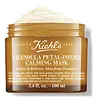
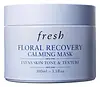
Kiehl's Calendula Petal-Infused Calming Mask Versus Fresh Floral Recovery Redness Reducing Overnight Mask
This wash off mask is made with Aloe Barbadensis Leaf Juice and Calendula Officinalis Flower for a rinse-off calming boost.
This calming overnight mask is formulated around Squalane and Ascorbyl Glucoside to calm redness and hydrate skin.

What's inside
What's inside
 Key Ingredients
Benefits
Concerns
Ingredients Side-by-side
Water
Skin ConditioningGlycerin
Humectant


Aloe Barbadensis Leaf Juice
Skin Conditioning

Butylene Glycol
Humectant
PPG-26-Buteth-26
Skin ConditioningPEG-40 Hydrogenated Castor Oil
Emulsifying


Glyceryl Acrylate/Acrylic Acid Copolymer
HumectantCarbomer
Emulsion StabilisingCalendula Officinalis Flower
Skin Conditioning
Phenoxyethanol
Preservative
Limonene
Perfuming



Calendula Officinalis Flower Extract
Masking
Ethylhexylglycerin
Skin ConditioningCitrus Limon Peel Oil
Masking

Paeonia Suffruticosa Root Extract
Skin ProtectingScutellaria Baicalensis Root Extract
Astringent
Sodium Hydroxide
BufferingCitrus Aurantium Dulcis Peel Oil
Masking
Tocopheryl Acetate
Antioxidant


Cassia Angustifolia Seed Polysaccharide
Skin ConditioningPelargonium Graveolens Flower Oil
Masking
Anthemis Nobilis Flower Oil
Masking
Citral
Perfuming
Citric Acid
Buffering
Potassium Sorbate
Preservative
Artemisia Absinthium Extract
Skin ConditioningSodium Benzoate
Masking
Tocopherol
Antioxidant

Water, Glycerin, Aloe Barbadensis Leaf Juice, Butylene Glycol, PPG-26-Buteth-26, PEG-40 Hydrogenated Castor Oil, Glyceryl Acrylate/Acrylic Acid Copolymer, Carbomer, Calendula Officinalis Flower, Phenoxyethanol, Limonene, Calendula Officinalis Flower Extract, Ethylhexylglycerin, Citrus Limon Peel Oil, Paeonia Suffruticosa Root Extract, Scutellaria Baicalensis Root Extract, Sodium Hydroxide, Citrus Aurantium Dulcis Peel Oil, Tocopheryl Acetate, Cassia Angustifolia Seed Polysaccharide, Pelargonium Graveolens Flower Oil, Anthemis Nobilis Flower Oil, Citral, Citric Acid, Potassium Sorbate, Artemisia Absinthium Extract, Sodium Benzoate, Tocopherol
Water
Skin ConditioningGlycerin
Humectant
Squalane
Emollient
Camellia Oleifera Seed Oil
Skin Conditioning
Cetearyl Alcohol
Emollient



Propanediol
Solvent
1,2-Hexanediol
Skin Conditioning
Ascorbyl Glucoside
Antioxidant
Passiflora Edulis Seed Oil
Emollient
Centaurea Cyanus Flower Water
Skin Conditioning
Prunus Cerasus Flower Extract
Skin ConditioningPaeonia Suffruticosa Root Extract
Skin ProtectingTocopheryl Acetate
Antioxidant
Tocopherol
Antioxidant
Hydrogenated Coco-Glycerides
Emollient
Cetearyl Glucoside
Emulsifying
Cetyl Alcohol
Emollient
Stearyl Alcohol
Emollient
Sodium Stearoyl Glutamate
CleansingSodium Hydroxide
BufferingAcrylates/C10-30 Alkyl Acrylate Crosspolymer
Emulsion StabilisingPolyacrylate Crosspolymer-6
Emulsion StabilisingBetaine
Humectant
Butylene Glycol
Humectant
Parfum
Masking
Sodium Hyaluronate
Humectant
Chlorphenesin
Antimicrobial
Sodium Benzoate
Masking
Potassium Sorbate
Preservative
Water, Glycerin, Squalane, Camellia Oleifera Seed Oil, Cetearyl Alcohol, Propanediol, 1,2-Hexanediol, Ascorbyl Glucoside, Passiflora Edulis Seed Oil, Centaurea Cyanus Flower Water, Prunus Cerasus Flower Extract, Paeonia Suffruticosa Root Extract, Tocopheryl Acetate, Tocopherol, Hydrogenated Coco-Glycerides, Cetearyl Glucoside, Cetyl Alcohol, Stearyl Alcohol, Sodium Stearoyl Glutamate, Sodium Hydroxide, Acrylates/C10-30 Alkyl Acrylate Crosspolymer, Polyacrylate Crosspolymer-6, Betaine, Butylene Glycol, Parfum, Sodium Hyaluronate, Chlorphenesin, Sodium Benzoate, Potassium Sorbate
Reviews
Ingredients Explained
These ingredients are found in both products.
Ingredients higher up in an ingredient list are typically present in a larger amount.
Butylene Glycol (or BG) is used within cosmetic products for a few different reasons:
Overall, Butylene Glycol is a safe and well-rounded ingredient that works well with other ingredients.
Though this ingredient works well with most skin types, some people with sensitive skin may experience a reaction such as allergic rashes, closed comedones, or itchiness.
Learn more about Butylene GlycolGlycerin (or glycerol) is a compound naturally found in your skin. It's a powerhouse humectant that pulls water into the stratum corneum.
Topically, glycerin does several things at once:
Your skin makes glycerin on its own (mostly from sebaceous oil breakdown) and shuttles it to your outermost layer of skin, or your epidermis, via aquaporin-3.
Aquaporin-3 is a transporter that is essential for normal skin hydration, elasticity, and repair. Interestingly, mice lacking in AQP3 have dry and less elastic skin that can be fully corrected with glycerin.
This ingredient is non-irritating, plays well with almost every ingredient, and works across all skin types. Typical use is anywhere between 3-10% but can go up to 79% in some leave-on products.
Just know very high concentrations (>40%) can feel tacky in low humidity.
Glycerin is the name for this ingredient in American English. British English uses Glycerol/Glycerine.
Learn more about GlycerinPaeonia Suffruticosa Root Extract comes Peony plant. It has anti-inflammatory and antioxidant properties.
Emerging studies also show peony root may help reduce hyperpigmentation.
Ancient Chinese medicine has used peony root to treat dark spots, but studies are looking into this claim more.
Learn more about Paeonia Suffruticosa Root ExtractPotassium Sorbate is a preservative used to prevent yeast and mold in products. It is commonly found in both cosmetic and food products.
This ingredient comes from potassium salt derived from sorbic acid. Sorbic acid is a natural antibiotic and effective against fungus.
Both potassium sorbate and sorbic acid can be found in baked goods, cheeses, dried meats, dried fruit, ice cream, pickles, wine, yogurt, and more.
You'll often find this ingredient used with other preservatives.
Learn more about Potassium SorbateSodium Benzoate is a preservative. It's used in both cosmetic and food products to inhibit the growth of mold and bacteria. It is typically produced synthetically.
Both the US FDA and EU Health Committee have approved the use of sodium benzoate. In the US, levels of 0.1% (of the total product) are allowed.
Sodium benzoate works as a preservative by inhibiting the growth of bacteria inside of cells. It prevents the cell from fermenting a type of sugar using an enzyme called phosphofructokinase.
It is the salt of benzoic acid. Foods containing sodium benzoate include soda, salad dressings, condiments, fruit juices, wines, and snack foods.
Studies for using ascorbic acid and sodium benzoate in cosmetics are lacking, especially in skincare routines with multiple steps.
We always recommend speaking with a professional, such as a dermatologist, if you have any concerns.
Learn more about Sodium BenzoateSodium Hydroxide is also known as lye or caustic soda. It is used to adjust the pH of products; many ingredients require a specific pH to be effective.
In small amounts, sodium hydroxide is considered safe to use. However, large amounts may cause chemical burns due to its high alkaline.
Your skin has a natural pH and acid mantle. This acid mantle helps prevent harmful bacteria from breaking through. The acid mantle also helps keep your skin hydrated.
"Alkaline" refers to a high pH level. A low pH level would be considered acidic.
Learn more about Sodium HydroxideTocopherol is a fat-soluble antioxidant known as Vitamin E.
You'll find this ingredient in the vast majority of skincare (for good reason). It works to neutralize free radicals, or unstable molecules generated by UV exposure, pollution, and other environmental stressors, before they can cause oxidative damage to your skin cells.
Topically applied tocopherol has been shown to protect against UV damage by ramping up the skin's own natural defense enzymes.
It also acts as a skin conditioning agent; some studies show that regular topical use can improve the skin's water-binding capacity over 2-4 weeks.
This ingredient is especially loved for being a team player. When combined with Vitamin C, the photoprotective effect of both ingredients roughly doubles and the combo also helps reduce UV-induced DNA damage.
This ingredient has some brightening potential but it's more of a prevention ingredient than spot-fader. Cell studies show it can slow down melanin production but it's worth noting that it's not the most powerful brightener out there.
In formulations, it also serves as a stabilizer that helps protect other oxidation-prone ingredients from degrading.
Concentrations usually range from 0.1-1% in most leave-on products.
Learn more about TocopherolTocopheryl Acetate is a stable, shelf-friendly form of vitamin E.
Formulators love it because plain vitamin E oxidizes quickly once it hits air. This acetate version stays stable and resists going off, helping to extend a product's shelf life.
It's actually inactive on its own and works like a slow-release "storage" form; the enzymes in your skin called esterases gradually convert it into active vitamin E over time.
One in vivo study showed 5% of the acetate in the living layer of the epidermis converted to vitamin E after 5 days of application. This study also found the skin gained protection against UV damage even though the conversion was slow and small.
Once converted, vitamin E acts as a skin's main fat-soluble antioxidant that fights free radicals to protect skin from damage.
Topical vitamin E generally boosts the skin's photoprotection, and it reduced UV-damage in animal models.
This ingredient has some brightening potential but it's more of a prevention ingredient than spot-fader. Cell studies show it can slow down melanin production but it's worth noting that it's not the most powerful brightener out there.
Overall, it has a pretty solid safety profile and has been found to be non-irritating and non-comedogenic. Allergic reactions may happen but stay rare due to how widely the ingredient gets used.
The concentration will vary depending on the formula; industry data shows 0.1% in baby lotions, 3% in lipsticks, and 5% in foot powders. You can also find this ingredient at 100% in a pure vitamin E oil.
Most leave-on skincare keeps it at the lower end, often between 0.5-1%.
Learn more about Tocopheryl AcetateWater. It's the most common cosmetic ingredient of all. You'll usually see it at the top of ingredient lists, meaning that it makes up the largest part of the product.
So why is it so popular? Water most often acts as a solvent - this means that it helps dissolve other ingredients into the formulation.
You'll also recognize water as that liquid we all need to stay alive. If you see this, drink a glass of water. Remember to stay hydrated!
Learn more about Water

