

What's inside
What's inside
 Key Ingredients
Benefits
Concerns
Ingredients Side-by-side
Water
Skin ConditioningSodium Laureth Sulfate
Cleansing

Laureth-5 Carboxylic Acid
CleansingPropylene Glycol
Humectant


Ceteareth-60 Myristyl Glycol
EmulsifyingSodium Chloride
Masking
Sodium Benzoate
Masking
Sodium Hydroxide
BufferingHydroxycitronellal
Perfuming


Sodium Acetate
BufferingPolyquaternium-10
Salicylic Acid
Masking




Linalool
Perfuming
Benzyl Alcohol
Perfuming

Isopropyl Alcohol
Solvent
Piroctone Olamine
Preservative
Tartaric Acid
Buffering


Citronellol
Perfuming
Citric Acid
Buffering
Hexylene Glycol
EmulsifyingHexyl Cinnamal
Perfuming
Glycyrrhetinic Acid
Skin ConditioningParfum
Masking
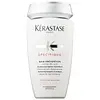
Water, Sodium Laureth Sulfate, Laureth-5 Carboxylic Acid, Propylene Glycol, Ceteareth-60 Myristyl Glycol, Sodium Chloride, Sodium Benzoate, Sodium Hydroxide, Hydroxycitronellal, Sodium Acetate, Polyquaternium-10, Salicylic Acid, Linalool, Benzyl Alcohol, Isopropyl Alcohol, Piroctone Olamine, Tartaric Acid, Citronellol, Citric Acid, Hexylene Glycol, Hexyl Cinnamal, Glycyrrhetinic Acid, Parfum
Water
Skin ConditioningCocamidopropyl Betaine
Cleansing
Sodium Cocoyl Isethionate
CleansingCaprylyl/Capryl Glucoside
CleansingGlycerin
Humectant
Aloe Barbadensis Leaf Juice
Skin Conditioning

Spinacia Oleracea Leaf Extract
Skin ConditioningBrassica Oleracea Italica Extract
AstringentPyrus Malus Fruit Extract
Skin Conditioning
Cucumis Sativus Fruit Extract
Emollient
Citrus Limon Fruit Extract
Masking
Citrus Grandis Fruit Extract
Astringent
Citrus Aurantium Dulcis Fruit Extract
MaskingBeta Vulgaris Root Extract
Skin ConditioningCamellia Sinensis Leaf Extract
Antimicrobial

Cymbopogon Citratus Extract
Skin ConditioningChlorella Vulgaris Extract
Skin Conditioning
Panthenol
Skin Conditioning
Panthenyl Hydroxypropyl Steardimonium Chloride
Sodium Gluconate
Skin ConditioningSodium Lauryl Sulfoacetate
CleansingCaprylhydroxamic Acid
Polyquaternium-7
Benzyl Alcohol
Perfuming
Parfum
Masking
CI 75810
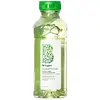
Cosmetic ColorantWater, Cocamidopropyl Betaine, Sodium Cocoyl Isethionate, Caprylyl/Capryl Glucoside, Glycerin, Aloe Barbadensis Leaf Juice, Spinacia Oleracea Leaf Extract, Brassica Oleracea Italica Extract, Pyrus Malus Fruit Extract, Cucumis Sativus Fruit Extract, Citrus Limon Fruit Extract, Citrus Grandis Fruit Extract, Citrus Aurantium Dulcis Fruit Extract, Beta Vulgaris Root Extract, Camellia Sinensis Leaf Extract, Cymbopogon Citratus Extract, Chlorella Vulgaris Extract, Panthenol, Panthenyl Hydroxypropyl Steardimonium Chloride, Sodium Gluconate, Sodium Lauryl Sulfoacetate, Caprylhydroxamic Acid, Polyquaternium-7, Benzyl Alcohol, Parfum, CI 75810
Ingredients Explained
These ingredients are found in both products.
Ingredients higher up in an ingredient list are typically present in a larger amount.
Benzyl Alcohol is most commonly used as a preservative. It also has a subtle, sweet smell. Small amounts of Benzyl Alcohol is not irritating and safe to use in skincare products. Most Benzyl Alcohol is derived from fruits such as apricots.
Benzyl Alcohol has both antibacterial and antioxidant properties. These properties help lengthen the shelf life of products. Benzyl Alcohol is a solvent and helps dissolve other ingredients. It can also improve the texture and spreadability.
Alcohol comes in many different forms. Different types of alcohol will have different effects on skin. This ingredient is an astringent alcohol.
Using high concentrations of these alcohols are drying on the skin. They may strip away your skin's natural oils and even damage your skin barrier. Astringent alcohols may also irritate skin.
Other types of astringent alcohols include:
According to the National Rosacea Society based in the US, you should be mindful of products with these alcohols in the top half of ingredients.
Any type of sanitizing product will have high amounts of alcohol to help kill bacteria and viruses.
Learn more about Benzyl AlcoholParfum is a catch-all term for an ingredient or more that is used to give a scent to products.
Also called "fragrance", this ingredient can be a blend of hundreds of chemicals or plant oils. This means every product with "fragrance" or "parfum" in the ingredients list is a different mixture.
For instance, Habanolide is a proprietary trade name for a specific aroma chemical. When used as a fragrance ingredient in cosmetics, most aroma chemicals fall under the broad labeling category of “FRAGRANCE” or “PARFUM” according to EU and US regulations.
The term 'parfum' or 'fragrance' is not regulated in many countries. In many cases, it is up to the brand to define this term.
For instance, many brands choose to label themselves as "fragrance-free" because they are not using synthetic fragrances. However, their products may still contain ingredients such as essential oils that are considered a fragrance by INCI standards.
One example is Calendula flower extract. Calendula is an essential oil that still imparts a scent or 'fragrance'.
Depending on the blend, the ingredients in the mixture can cause allergies and sensitivities on the skin. Some ingredients that are known EU allergens include linalool and citronellol.
Parfum can also be used to mask or cover an unpleasant scent.
The bottom line is: not all fragrances/parfum/ingredients are created equally. If you are worried about fragrances, we recommend taking a closer look at an ingredient. And of course, we always recommend speaking with a professional.
Learn more about ParfumWater. It's the most common cosmetic ingredient of all. You'll usually see it at the top of ingredient lists, meaning that it makes up the largest part of the product.
So why is it so popular? Water most often acts as a solvent - this means that it helps dissolve other ingredients into the formulation.
You'll also recognize water as that liquid we all need to stay alive. If you see this, drink a glass of water. Stay hydrated!
Learn more about Water
