Kate Somerville ExfoliKate® Intensive Pore Exfoliating Treatment Versus Dr Teal’s Pink Himalayan Mineral Soak
This smoothing exfoliator is formulated around Lactic Acid and Silica to refine skin texture and refine the look of pores.

What's inside
What's inside
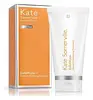 Key Ingredients
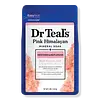
No key ingredients
Benefits
Concerns
Ingredients Side-by-side
Water
Skin ConditioningLactic Acid
Buffering










Silica
Abrasive
Glycine Soja Oil
Emollient





Pectin
Emulsion StabilisingCetearyl Alcohol
Emollient

Carica Papaya Fruit
Skin ConditioningCeteareth-20
Cleansing
Cetyl Alcohol
Emollient
Phenoxyethanol
Preservative
Dehydroxanthan Gum
Emulsion StabilisingGlyceryl Stearate
Emollient
PEG-100 Stearate
Surfactant
Salicylic Acid
Masking


Lactobacillus/Pumpkin Ferment Extract
Skin ConditioningAlcohol Denat.
Antimicrobial
Sorbic Acid
Preservative
Cinnamal
Perfuming


Mel
EmollientCitrus Aurantium Bergamia Fruit Oil
Masking
Eugenol
Perfuming
Potassium Sorbate
Preservative
Limonene
Perfuming
Linalool
Perfuming
Lavandula Angustifolia Oil
Masking
Beta-Carotene
Skin ConditioningAloe Barbadensis Leaf Juice Powder
Skin Conditioning
Bromelain
Skin Conditioning
Papain
Skin Conditioning
Retinyl Palmitate
Skin Conditioning
Tocopheryl Acetate
Antioxidant

Cinnamomum Cassia Leaf Oil
Masking
Acetic Acid
BufferingPogostemon Cablin Leaf Oil
Masking
Pelargonium Graveolens Flower Oil
Masking
Aniba Rosaeodora Wood Extract
Masking
Citrus Aurantium Dulcis Peel Oil
Masking
CI 75810
Cosmetic ColorantWater, Lactic Acid, Silica, Glycine Soja Oil, Pectin, Cetearyl Alcohol, Carica Papaya Fruit, Ceteareth-20, Cetyl Alcohol, Phenoxyethanol, Dehydroxanthan Gum, Glyceryl Stearate, PEG-100 Stearate, Salicylic Acid, Lactobacillus/Pumpkin Ferment Extract, Alcohol Denat., Sorbic Acid, Cinnamal, Mel, Citrus Aurantium Bergamia Fruit Oil, Eugenol, Potassium Sorbate, Limonene, Linalool, Lavandula Angustifolia Oil, Beta-Carotene, Aloe Barbadensis Leaf Juice Powder, Bromelain, Papain, Retinyl Palmitate, Tocopheryl Acetate, Cinnamomum Cassia Leaf Oil, Acetic Acid, Pogostemon Cablin Leaf Oil, Pelargonium Graveolens Flower Oil, Aniba Rosaeodora Wood Extract, Citrus Aurantium Dulcis Peel Oil, CI 75810
Ingredients Explained
These ingredients are found in both products.
Ingredients higher up in an ingredient list are typically present in a larger amount.
Citrus Aurantium Bergamia Fruit Oil is the oil from the bergamot orange and is primarily used as a fragrance. It has a "fresh" and "bright orange" scent.
The main aroma compounds found in this ingredient are limonene (~27-52%), linalool (~2-22%), and linalyl acetate (~27-40%). These are known EU fragrance allergens.
The term 'fragrance' is not regulated in many countries. In many cases, it is up to the brand to define this term. For instance, many brands choose to label themselves as "fragrance-free" because they are not using synthetic fragrances. However, their products may still contain ingredients such as essential oils that are considered a fragrance.
When used topically, Citrus Aurantium Bergamia Fruit Oil is a photosensitizer due to the furanocoumarin content. Furanocoumarins absorb UV-A and cause phytophotodermatitis; this can look like redness, blistering, and lasting brown pigmentation on sun-exposed skin.
Due to this, this ingredient is capped at 0.4% in leave-on products applied to sun exposed skin.
Many modern formulas used a "furanocoumarin-free" version that sidesteps the phototoxicity issue, but still contains the fragrance allergens.
Learn more about Citrus Aurantium Bergamia Fruit OilCitrus Aurantium Dulcis Peel Oil is oil from the peel of an orange fruit.
Limonene and linalool make up the majority of oils from citrus peels. Limonene has a "citrus" fragrance. Citrus peels also contain flavonoids, which have anti-inflammatory properties.
Citrus peel is also a rich source of flavonoids. Flavonoids are natural antioxidants and help protect your skin against damage. Flavonoids are a group of compounds naturally found in vegetables and fruits.
The term 'fragrance' is not regulated in many countries. In many cases, it is up to the brand to define this term. For instance, many brands choose to label themselves as "fragrance-free" because they are not using synthetic fragrances. However, their products may still contain ingredients such as essential oils that are considered a fragrance.
Learn more about Citrus Aurantium Dulcis Peel Oil

