

What's inside
What's inside
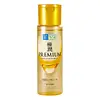 Key Ingredients
Benefits
Ingredients Side-by-side
Water
Skin ConditioningButylene Glycol
Humectant
Hydroxyethyl Urea
Humectant
PPG-10 Methyl Glucose Ether
Skin ConditioningDiglycerin
Humectant
Sodium Hyaluronate
Humectant

Hydrolyzed Hyaluronic Acid
Humectant


Sodium Acetylated Hyaluronate
Humectant
Hydroxypropyltrimonium Hyaluronate
Sodium Hyaluronate Crosspolymer
Humectant
Lactobacillus/Sodium Hyaluronate Ferment Filtrate
EmollientHydrolyzed Sodium Hyaluronate
Skin Conditioning
Saccharide Hydrolysate
HumectantHydrogenated Starch Hydrolysate
HumectantGlycosyl Trehalose
Emulsion StabilisingSorbitol
Humectant
Triethyl Citrate
Masking
PEG-32
HumectantCarbomer
Emulsion StabilisingPEG-75
HumectantDisodium Succinate
MaskingPropanediol
Solvent
Diethoxyethyl Succinate
SolventPotassium Hydroxide
BufferingSuccinic Acid
BufferingDisodium EDTA
Polyquaternium-51
Skin Conditioning
Caprylhydroxamic Acid
Hydroxyethylcellulose
Emulsion StabilisingXanthan Gum
EmulsifyingPhenoxyethanol
Preservative
Water, Butylene Glycol, Hydroxyethyl Urea, PPG-10 Methyl Glucose Ether, Diglycerin, Sodium Hyaluronate, Hydrolyzed Hyaluronic Acid, Sodium Acetylated Hyaluronate, Hydroxypropyltrimonium Hyaluronate, Sodium Hyaluronate Crosspolymer, Lactobacillus/Sodium Hyaluronate Ferment Filtrate, Hydrolyzed Sodium Hyaluronate, Saccharide Hydrolysate, Hydrogenated Starch Hydrolysate, Glycosyl Trehalose, Sorbitol, Triethyl Citrate, PEG-32, Carbomer, PEG-75, Disodium Succinate, Propanediol, Diethoxyethyl Succinate, Potassium Hydroxide, Succinic Acid, Disodium EDTA, Polyquaternium-51, Caprylhydroxamic Acid, Hydroxyethylcellulose, Xanthan Gum, Phenoxyethanol
Saccharomyces/Xylinum/Black Tea Ferment 60%
Skin Conditioning
Water
Skin ConditioningPropanediol
Solvent
Glycerin
Humectant
Dipropylene Glycol
Humectant1,2-Hexanediol
Skin Conditioning
Betaine
Humectant
Glycereth-26
Humectant
Chondrus Crispus Extract
Skin Conditioning
Saccharum Officinarum Extract
MoisturisingTheobroma Cacao Seed Extract
Antioxidant
Cynanchum Atratum Extract
Skin ConditioningSodium Hyaluronate
Humectant
Althaea Rosea Flower Extract
Skin ConditioningHydrolyzed Hyaluronic Acid
Humectant
Hyaluronic Acid
Humectant
Panthenol 1%
Skin Conditioning
Hydroxyethyl Urea
Humectant
Glyceryl Glucoside
Humectant
Acrylates/C10-30 Alkyl Acrylate Crosspolymer
Emulsion StabilisingEthylhexylglycerin
Skin ConditioningButylene Glycol
Humectant
Tromethamine
BufferingDextrin
AbsorbentAllantoin
Skin Conditioning
Glucose
Humectant
Beta-Glucan
Skin Conditioning
Hydroxypropyltrimonium Hyaluronate
Tocopherol
Antioxidant
Sodium Acetylated Hyaluronate
Humectant
Hydrolyzed Sodium Hyaluronate
Skin Conditioning
Sodium Hyaluronate Crosspolymer
Humectant
Potassium Hyaluronate
Skin ConditioningSaccharomyces/Xylinum/Black Tea Ferment 60%, Water, Propanediol, Glycerin, Dipropylene Glycol, 1,2-Hexanediol, Betaine, Glycereth-26, Chondrus Crispus Extract, Saccharum Officinarum Extract, Theobroma Cacao Seed Extract, Cynanchum Atratum Extract, Sodium Hyaluronate, Althaea Rosea Flower Extract, Hydrolyzed Hyaluronic Acid, Hyaluronic Acid, Panthenol 1%, Hydroxyethyl Urea, Glyceryl Glucoside, Acrylates/C10-30 Alkyl Acrylate Crosspolymer, Ethylhexylglycerin, Butylene Glycol, Tromethamine, Dextrin, Allantoin, Glucose, Beta-Glucan, Hydroxypropyltrimonium Hyaluronate, Tocopherol, Sodium Acetylated Hyaluronate, Hydrolyzed Sodium Hyaluronate, Sodium Hyaluronate Crosspolymer, Potassium Hyaluronate
Reviews
Alternatives
Ingredients Explained
These ingredients are found in both products.
Ingredients higher up in an ingredient list are typically present in a larger amount.
Butylene Glycol (or BG) is used within cosmetic products for a few different reasons:
Overall, Butylene Glycol is a safe and well-rounded ingredient that works well with other ingredients.
Though this ingredient works well with most skin types, some people with sensitive skin may experience a reaction such as allergic rashes, closed comedones, or itchiness.
Learn more about Butylene GlycolHydrolyzed Hyaluronic Acid is a form of hyaluronic acid. It is created by the hydrolysis of hyaluronic acid with a high molecular weight. Once created, Hydrolyzed Hyaluronic Acid has a low molecular weight.
Low molecular weight HA has been shown to hydrate and increase elasticity of the skin. Increasing elasticity is also associated with reduction of wrinkle depth.
One study found topical low molecular weight hyaluronic acid may be considered for the treatment of rosacea in the adult population. However, we always recommend speaking with a professional about your skin concerns.
Hyaluronic acids are a humectant. This means they draw moisture from the air. Hyaluronic acids help moisturize, soothe, and protect the skin.
Read more about other common forms of hyaluronic acid:
Learn more about Hydrolyzed Hyaluronic AcidThis ingredient is created by putting sodium hyaluronate through hydrolysis.
You might know this as 'mini' or 'ultra low-molecular weight' hyaluronic acid. The small molecule size means it is able to travel deeper in the skin.
According to studies, low molecular-weight hyaluronic acid can:
One study from 2011 found ultra-low weight HA to show pro-inflammatory properties. Another study from 2022 found it to downregulate UV-B induced inflammation.
Hydrolysis is a process of changing a molecule using water or enzymes.
This ingredient is water-soluble.
Learn more about Hydrolyzed Sodium HyaluronateThis form of hyaluronic acid is produced through fermentation.
According to a manufacturer, it has a positive charge by ionic binding to help moisturize and give hair a smooth feel. This is why you'll find this ingredient in shampoos and body washes.
Propanediol is an all-star ingredient. It softens, hydrates, and smooths the skin.
It’s often used to:
Propanediol is not likely to cause sensitivity and considered safe to use. It is derived from corn or petroleum with a clear color and no scent.
Learn more about PropanediolSodium Acetylated Hyaluronate is a type of Hyaluronic Acid.
Hyaluronic Acids help moisturize, soothe, and protect the skin.
Read about common types of Hyaluronic Acid here:
Sodium Hyaluronate
Hydrolyzed Hyaluronic Acid
Hyaluronic Acid
Sodium Hyaluronate is hyaluronic acid's salt form. It is commonly derived from the sodium salt of hyaluronic acid.
Like hyaluronic acid, it is great at holding water and acts as a humectant. This makes it a great skin hydrating ingredient.
Sodium Hyaluronate is naturally occurring in our bodies and is mostly found in eye fluid and joints.
These are some other common types of Hyaluronic Acid:
Learn more about Sodium HyaluronateSodium Hyaluronate Crosspolymer is a type of hyaluronic acid. In fact, it is modified version of hyaluronic acid.
The structure of Sodium Hyaluronate Crosspolymer allows it to stay in the skin's top layer for a longer period of time. This allows for even more hydration and humectant action than hyaluronic acid.
These are some other common types of Hyaluronic Acid:
Learn more about Sodium Hyaluronate CrosspolymerWater. It's the most common cosmetic ingredient of all. You'll usually see it at the top of ingredient lists, meaning that it makes up the largest part of the product.
So why is it so popular? Water most often acts as a solvent - this means that it helps dissolve other ingredients into the formulation.
You'll also recognize water as that liquid we all need to stay alive. If you see this, drink a glass of water. Stay hydrated!
Learn more about Water
