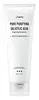
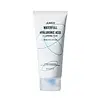
JUMISO Pore Purifying Salicylic Acid Foaming Cleanser Versus JUMISO Waterfull Hyaluronic Acid Cleansing Foam
This salicylic acid foaming cleanser is formulated around Salicylic Acid to clear breakouts and unclog pores.
This mild foaming cleanser is made to cleanse without leaving your skin tight or dry.

What's inside
What's inside
 Key Ingredients
Benefits
Concerns
Ingredients Side-by-side
Water
Skin ConditioningGlycerin
Humectant


Sodium Cocoyl Glycinate
Cleansing
Sodium Lauroyl Glutamate
SurfactantSodium Methyl Cocoyl Taurate
Cleansing
Butylene Glycol
Humectant
Glyceryl Stearate
Emollient

1,2-Hexanediol
Skin Conditioning
Salicylic Acid
Masking









Citric Acid
Buffering
Dimethyl Sulfone
SolventMontmorillonite
AbsorbentIllite
Abrasive
Dextrin
AbsorbentGardenia Florida Fruit Extract
Skin ConditioningMalic Acid
Buffering
Pyrus Malus Fruit Extract
Skin Conditioning
Water, Glycerin, Sodium Cocoyl Glycinate, Sodium Lauroyl Glutamate, Sodium Methyl Cocoyl Taurate, Butylene Glycol, Glyceryl Stearate, 1,2-Hexanediol, Salicylic Acid, Citric Acid, Dimethyl Sulfone, Montmorillonite, Illite, Dextrin, Gardenia Florida Fruit Extract, Malic Acid, Pyrus Malus Fruit Extract
Glycerin
Humectant
Water
Skin ConditioningSodium Cocoyl Glycinate
Cleansing
Sodium Lauroyl Glutamate
SurfactantButylene Glycol
Humectant
Lauryl Betaine
CleansingDecyl Glucoside
Cleansing
Hydroxypropyl Starch Phosphate
1,2-Hexanediol
Skin Conditioning
Citric Acid
Buffering
Sodium Chloride
MaskingPropylene Glycol Laurate
Skin ConditioningCaprylyl Glycol
Emollient
Polyquaternium-67
Betaine
Humectant
Sodium Phytate
Sodium Hyaluronate
Humectant


Arginine
Masking
Capryloyl Salicylic Acid
Exfoliating
Sodium Bicarbonate
Abrasive
Saccharide Isomerate
Humectant
Glyceryl Glucoside
Humectant
Panthenol
Skin Conditioning
Fructan
Skin ConditioningHydrogenated Lecithin
Emulsifying
Butyrospermum Parkii Butter
Skin Conditioning

Olea Europaea Fruit Oil
Masking

Sodium Citrate
BufferingHydrolyzed Hyaluronic Acid
Humectant
Ceramide NP
Skin Conditioning
Candida Bombicola/Glucose/Methyl Rapeseedate Ferment
AntimicrobialGlycolipids
Skin ConditioningSodium Acetylated Hyaluronate
Humectant
Glycine
Buffering
Glutamic Acid
Humectant
Glycerin, Water, Sodium Cocoyl Glycinate, Sodium Lauroyl Glutamate, Butylene Glycol, Lauryl Betaine, Decyl Glucoside, Hydroxypropyl Starch Phosphate, 1,2-Hexanediol, Citric Acid, Sodium Chloride, Propylene Glycol Laurate, Caprylyl Glycol, Polyquaternium-67, Betaine, Sodium Phytate, Sodium Hyaluronate, Arginine, Capryloyl Salicylic Acid, Sodium Bicarbonate, Saccharide Isomerate, Glyceryl Glucoside, Panthenol, Fructan, Hydrogenated Lecithin, Butyrospermum Parkii Butter, Olea Europaea Fruit Oil, Sodium Citrate, Hydrolyzed Hyaluronic Acid, Ceramide NP, Candida Bombicola/Glucose/Methyl Rapeseedate Ferment, Glycolipids, Sodium Acetylated Hyaluronate, Glycine, Glutamic Acid
Reviews
Ingredients Explained
These ingredients are found in both products.
Ingredients higher up in an ingredient list are typically present in a larger amount.
1,2-Hexanediol is a synthetic liquid and another multi-functional powerhouse.
It is a:
- Humectant, drawing moisture into the skin
- Emollient, helping to soften skin
- Solvent, dispersing and stabilizing formulas
- Preservative booster, enhancing the antimicrobial activity of other preservatives
Butylene Glycol (or BG) is used within cosmetic products for a few different reasons:
Overall, Butylene Glycol is a safe and well-rounded ingredient that works well with other ingredients.
Though this ingredient works well with most skin types, some people with sensitive skin may experience a reaction such as allergic rashes, closed comedones, or itchiness.
Learn more about Butylene GlycolCitric Acid is an alpha hydroxy acid (AHA) naturally found in citrus fruits like oranges, lemons, and limes.
Like other AHAs, citric acid can exfoliate skin by breaking down the bonds that hold dead skin cells together. This helps reveal smoother and brighter skin underneath.
However, this exfoliating effect only happens at high concentrations (20%) which can be hard to find in cosmetic products.
Due to this, citric acid is usually included in small amounts as a pH adjuster. This helps keep products slightly more acidic and compatible with skin's natural pH.
In skincare formulas, citric acid can:
While it can provide some skin benefits, research shows lactic acid and glycolic acid are generally more effective and less irritating exfoliants.
Most citric acid used in skincare today is made by fermenting sugars (usually from molasses). This synthetic version is identical to the natural citrus form but easier to stabilize and use in formulations.
Rosacea skin has a lower threshold for acids generally, with 62.5% of rosacea subjects in one study reacting to lactic acid in a sting test. This is why we mark citric acid as a potential rosacea trigger.
However, this ingredient shows up as a pH adjuster or chelator at roughly 0.1-1% in many products. These low levels are unlikely to be an issue for rosacea skin and becomes a potential trigger at exfoliating concentrations (20%). Because everybody's skin is unique, we recommend a patch test if you are unsure.
Learn more about Citric AcidGlycerin (or glycerol) is a compound naturally found in your skin. It's a powerhouse humectant that pulls water into the stratum corneum.
Topically, glycerin does several things at once:
Your skin makes glycerin on its own (mostly from sebaceous oil breakdown) and shuttles it to your outermost layer of skin, or your epidermis, via aquaporin-3.
Aquaporin-3 is a transporter that is essential for normal skin hydration, elasticity, and repair. Interestingly, mice lacking in AQP3 have dry and less elastic skin that can be fully corrected with glycerin.
This ingredient is non-irritating, plays well with almost every ingredient, and works across all skin types. Typical use is anywhere between 3-10% but can go up to 79% in some leave-on products.
Just know very high concentrations (>40%) can feel tacky in low humidity.
Glycerin is the name for this ingredient in American English. British English uses Glycerol/Glycerine.
Learn more about GlycerinSodium Cocoyl Glycinate is a cleansing agent. It can be naturally derived or synthetically-created.
As a surfactant, it helps clean your skin by gathering dirt, oil, and other pollutants to be rinsed away more easily.
Sodium Lauroyl Glutamate is an amino-acid based mild surfactant that is used in formulas as a primary or secondary cleansing agent. This means it helps lift away oil, dirt, and makeup.
You'll see this ingredient in facial cleansers, shampoos, and even toothpaste because it foams reasonably well while being much gentler than harsher surfactants like SLS.
A study comparing surfactant mixtures found that Sodium Lauroyl Glutamate caused visibly less disruption to skin lipid structure and less irritation than SLS when tested on human subjects; this correlated with the data from in vivo results as well.
The Tenside, Surfactants, Detergents cosmetics industry journal has also concluded that amino acid based surfactants are generally milder than their corresponding alkyl sulfate counterparts. They also stated glutamates in particular are considered one of the gentler options in the category.
The Cosmetic Ingredient Review (CIR) Expert Panel has reviewed dermal irritation and sensitization data for this ingredient at the highest reported use concentration and concluded it to be safe in present practices.
Typical use concentrations tend to run low (generally less than 10%) though the CIR's review noted the highest reported use concentration was 40% as a raw material blend (and not a diluted finished cosmetic product).
Learn more about Sodium Lauroyl GlutamateWater. It's the most common cosmetic ingredient of all. You'll usually see it at the top of ingredient lists, meaning that it makes up the largest part of the product.
So why is it so popular? Water most often acts as a solvent - this means that it helps dissolve other ingredients into the formulation.
You'll also recognize water as that liquid we all need to stay alive. If you see this, drink a glass of water. Remember to stay hydrated!
Learn more about Water

