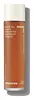
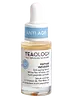
innisfree Youth Enhancing Treatment Essence with Black Tea + Peptides Versus Teaology Skincare Peptide Infusion Anti-Aging Serum
This anti-aging essence is formulated around Niacinamide and Copper Tripeptide-1 to soften the look of wrinkles and brighten dull-looking skin.
This anti-aging serum is formulated around Camellia Sinensis Leaf and Acetyl Hexapeptide-8 to soften the look of wrinkles.


What's inside
What's inside
 Key Ingredients
Benefits
Concerns
Ingredients Side-by-side
Camellia Sinensis Leaf Water 95%
Masking
Water
Skin ConditioningPropanediol
Solvent

Glycerin
Humectant
Niacinamide
Smoothing









1,2-Hexanediol
Skin Conditioning
Camellia Sinensis Leaf Extract
Antimicrobial
Ethylhexylglycerin
Skin ConditioningAdenosine
Skin Conditioning
Dextrin
AbsorbentEctoin
Skin Conditioning
Hyaluronic Acid
Humectant
3-O-Ethyl Ascorbic Acid
Skin Conditioning
Glutathione
Mannitol
Humectant
Saccharomyces Cerevisiae Extract
Skin Conditioning

Butylene Glycol
Humectant
Centella Asiatica Flower/Leaf/Stem Extract
Skin Conditioning
Glycine Max Polypeptide
Skin Conditioning
Arginine/Lysine Polypeptide
Skin Conditioning
Copper Tripeptide-1
Skin Conditioning
Disodium EDTA
ChelatingAcetyl Tetrapeptide-11
Skin Conditioning
Caprylyl Glycol
Emollient
Acetyl Heptapeptide-4
Humectant
Sorbic Acid
Preservative
Hexapeptide-9
Skin Conditioning
Acetyl Hexapeptide-8
Humectant
Sodium Hydroxide
BufferingAcetyl Octapeptide-3
Humectant
Camellia Sinensis Leaf Water 95%, Water, Propanediol, Glycerin, Niacinamide, 1,2-Hexanediol, Camellia Sinensis Leaf Extract, Ethylhexylglycerin, Adenosine, Dextrin, Ectoin, Hyaluronic Acid, 3-O-Ethyl Ascorbic Acid, Glutathione, Mannitol, Saccharomyces Cerevisiae Extract, Butylene Glycol, Centella Asiatica Flower/Leaf/Stem Extract, Glycine Max Polypeptide, Arginine/Lysine Polypeptide, Copper Tripeptide-1, Disodium EDTA, Acetyl Tetrapeptide-11, Caprylyl Glycol, Acetyl Heptapeptide-4, Sorbic Acid, Hexapeptide-9, Acetyl Hexapeptide-8, Sodium Hydroxide, Acetyl Octapeptide-3
Water
Skin ConditioningPropanediol
Solvent
Pentylene Glycol
Skin Conditioning
Camellia Sinensis Leaf
Perfuming
Hydroxyethylcellulose
Emulsion StabilisingCaprylyl Glycol
Emollient
1,2-Hexanediol
Skin Conditioning
Butylene Glycol
Humectant
Citric Acid
Buffering
Glycerin
Humectant
Sodium Hydroxide
BufferingAcetyl Hexapeptide-38
Skin Conditioning
Sodium Gluconate
ChelatingAcetyl Glutamine
Skin ConditioningCaramel
Cosmetic ColorantLecithin
Emollient
Chaenomeles Sinensis Fruit Extract
Antioxidant
Cinnamomum Cassia Bark Extract
Masking
Diospyros Kaki Leaf Extract
Skin Protecting
Artemisia Princeps Leaf Extract
Skin ConditioningCamellia Sinensis Leaf Extract
Antimicrobial
Chrysanthellum Indicum Extract
Skin Conditioning
Acetyl Hexapeptide-8
Humectant
Acetyl Hexapeptide-1
Skin Conditioning
Bacillus
Skin ConditioningSh-Oligopeptide-1
Skin Conditioning
Sh-Oligopeptide-2
Skin Conditioning
Sh-Polypeptide-1
Skin Conditioning
Sh-Polypeptide-11
Sh-Polypeptide-9
Skin Conditioning
Sodium Hyaluronate
Humectant
Water, Propanediol, Pentylene Glycol, Camellia Sinensis Leaf, Hydroxyethylcellulose, Caprylyl Glycol, 1,2-Hexanediol, Butylene Glycol, Citric Acid, Glycerin, Sodium Hydroxide, Acetyl Hexapeptide-38, Sodium Gluconate, Acetyl Glutamine, Caramel, Lecithin, Chaenomeles Sinensis Fruit Extract, Cinnamomum Cassia Bark Extract, Diospyros Kaki Leaf Extract, Artemisia Princeps Leaf Extract, Camellia Sinensis Leaf Extract, Chrysanthellum Indicum Extract, Acetyl Hexapeptide-8, Acetyl Hexapeptide-1, Bacillus, Sh-Oligopeptide-1, Sh-Oligopeptide-2, Sh-Polypeptide-1, Sh-Polypeptide-11, Sh-Polypeptide-9, Sodium Hyaluronate
Reviews
Ingredients Explained
These ingredients are found in both products.
Ingredients higher up in an ingredient list are typically present in a larger amount.
1,2-Hexanediol is a synthetic liquid and another multi-functional powerhouse.
It is a:
- Humectant, drawing moisture into the skin
- Emollient, helping to soften skin
- Solvent, dispersing and stabilizing formulas
- Preservative booster, enhancing the antimicrobial activity of other preservatives
Acetyl Hexapeptide-8 (also known as Argireline) is a synthetic hexapeptide that is often called a "topical Botox alternative".
It works by mimicking how Botox relaxes muscles; it interferes with the signaling process that tells your facial muscles to contract. This can help soften expression lines like forehead wrinkles or crow's feet over time.
The comparison to Botox does have limits because the molecule is water-loving and relatively large.
Acetyl Hexapeptide-8 has a hard time absorbing deeply enough through the skin's outer barrier to actually reach the muscles.
So whether it truly works the way Botox does at a biological level is still up for debate, but early clinical outcomes are fairly encouraging.
A 12 week human study of a multi-ingredient regimen containing this ingredient saw:
While some studies have observed improvements in wrinkle appearance, it is important to note that more consistent results are seen in multi-ingredient formulations (vs just Acetyl Hexapeptide-8 alone).
Some research studies also used higher concentrations (up to 10%) while this ingredient is usually found in concentrations up to 0.005% in leave-on formulations.
Learn more about Acetyl Hexapeptide-8Butylene Glycol (or BG) is used within cosmetic products for a few different reasons:
Overall, Butylene Glycol is a safe and well-rounded ingredient that works well with other ingredients.
Though this ingredient works well with most skin types, some people with sensitive skin may experience a reaction such as allergic rashes, closed comedones, or itchiness.
Learn more about Butylene GlycolCamellia Sinensis Leaf Extract (tea extract) is one of the most well-researched plant extracts in skincare with an impressive resume.
Black tea, green tea, and oolong tea are all harvested from the Camellia Sinensis plant.
Studies show green tea extract and its catechins (like epigallocatechin gallate (EGCG)) help your skin cells product energy more efficiently and reducing the number of free-radicals that can damage your skin from the inside.
In lab-grown skin models, this translated to younger, healthier, and stronger skin.
There's also good sun protection data; researchers saw less DNA damage and redness on human skin when green tea was applied before UVB exposure. And the more they applied, the better the protection.
Needless to say, this ingredient shouldn't replace your sunscreen. But it is a great supportive ingredient that you can already find in many sunscreens and antioxidant serums.
A 2009 study found a 2% green tea lotion was effective for mild-to-moderate acne thanks to its anti-inflammatory and mild antimicrobial activity.
The quality of the extract matters a lot here:
Good extracts contain 50-90% catechins while lower quality ones are mostly there for marketing. We recommend reaching out to the brand if you have questions about the quality or source of their ingredients.
Human Repeated Insult Patch Testing showed no irritation or sensitization at use concentrations (0.86% in leave-on products and up to 30% as leaf water).
Learn more about Camellia Sinensis Leaf ExtractCaprylyl Glycol is a humectant, skin conditioner, emollient, and preservative booster derived from either caprylic acid or synthetically created.
Typical use levels vary from 0.3-1% as a preservative booster and go up to 2% to condition skin.
Because it is not a free-fatty acid, this ingredient is fungal acne safe (there's nothing for Malassezia to feed on).
Learn more about Caprylyl GlycolGlycerin (or glycerol) is a compound naturally found in your skin. It's a powerhouse humectant that pulls water into the stratum corneum.
Topically, glycerin does several things at once:
Your skin makes glycerin on its own (mostly from sebaceous oil breakdown) and shuttles it to your outermost layer of skin, or your epidermis, via aquaporin-3.
Aquaporin-3 is a transporter that is essential for normal skin hydration, elasticity, and repair. Interestingly, mice lacking in AQP3 have dry and less elastic skin that can be fully corrected with glycerin.
This ingredient is non-irritating, plays well with almost every ingredient, and works across all skin types. Typical use is anywhere between 3-10% but can go up to 79% in some leave-on products.
Just know very high concentrations (>40%) can feel tacky in low humidity.
Glycerin is the name for this ingredient in American English. British English uses Glycerol/Glycerine.
Learn more about GlycerinPropanediol is an all-star ingredient. It softens, hydrates, and smooths the skin.
It’s often used to:
Propanediol is not likely to cause sensitivity and considered safe to use. It is derived from corn or petroleum with a clear color and no scent.
Learn more about PropanediolSodium Hydroxide is also known as lye or caustic soda. It is used to adjust the pH of products; many ingredients require a specific pH to be effective.
In small amounts, sodium hydroxide is considered safe to use. However, large amounts may cause chemical burns due to its high alkaline.
Your skin has a natural pH and acid mantle. This acid mantle helps prevent harmful bacteria from breaking through. The acid mantle also helps keep your skin hydrated.
"Alkaline" refers to a high pH level. A low pH level would be considered acidic.
Learn more about Sodium HydroxideWater. It's the most common cosmetic ingredient of all. You'll usually see it at the top of ingredient lists, meaning that it makes up the largest part of the product.
So why is it so popular? Water most often acts as a solvent - this means that it helps dissolve other ingredients into the formulation.
You'll also recognize water as that liquid we all need to stay alive. If you see this, drink a glass of water. Remember to stay hydrated!
Learn more about Water

