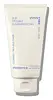
This salicylic acid foaming cleanser is formulated around Salicylic Acid to clear breakouts and unclog pores.
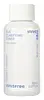
This oil-control toner is formulated around Salix Alba Bark Extract and Salicylic Acid to balance excess oil and clear breakouts.

What's inside
What's inside
 Key Ingredients
Benefits
Concerns
Ingredients Side-by-side
Water
Skin ConditioningGlycerin
Humectant


Myristic Acid
Cleansing



Lauric Acid
Cleansing
Potassium Hydroxide
BufferingStearic Acid
Cleansing
Lauryl Hydroxysultaine
CleansingGlyceryl Stearate
Emollient
Glycol Distearate
Emollient
Palmitic Acid
Emollient
Sodium Chloride
MaskingCoco-Glucoside
Cleansing
Ricinus Communis Seed Oil
Masking

Decyl Glucoside
Cleansing
Salix Alba Bark Extract
Astringent


Menthol
Masking


Sodium Metaphosphate
BufferingTorreya Nucifera Seed Oil
Emollient
Limonene
Perfuming
Juniperus Communis Fruit Oil
Masking
Pinus Sylvestris Leaf Oil
Masking
Juniperus Virginiana Oil
Masking
Lavandula Angustifolia Oil
Masking
Citrus Aurantifolia Oil
Cleansing
Dextrin
AbsorbentTheobroma Cacao Extract
Skin ConditioningLinalool
Perfuming
Citrus Limon Peel Oil
Masking
Artemisia Vulgaris Oil
Perfuming
Salicylic Acid
Masking





Pogostemon Cablin Leaf Oil
Masking
Rosa Centifolia Flower Extract
Astringent
Cupressus Sempervirens Leaf/Nut/Stem Oil
Emollient
Water, Glycerin, Myristic Acid, Lauric Acid, Potassium Hydroxide, Stearic Acid, Lauryl Hydroxysultaine, Glyceryl Stearate, Glycol Distearate, Palmitic Acid, Sodium Chloride, Coco-Glucoside, Ricinus Communis Seed Oil, Decyl Glucoside, Salix Alba Bark Extract, Menthol, Sodium Metaphosphate, Torreya Nucifera Seed Oil, Limonene, Juniperus Communis Fruit Oil, Pinus Sylvestris Leaf Oil, Juniperus Virginiana Oil, Lavandula Angustifolia Oil, Citrus Aurantifolia Oil, Dextrin, Theobroma Cacao Extract, Linalool, Citrus Limon Peel Oil, Artemisia Vulgaris Oil, Salicylic Acid, Pogostemon Cablin Leaf Oil, Rosa Centifolia Flower Extract, Cupressus Sempervirens Leaf/Nut/Stem Oil
Water
Skin ConditioningAlcohol Denat.
Antimicrobial
Butylene Glycol
Humectant
Glycerin
Humectant
Betaine
Humectant
Methyl Gluceth-20
Humectant
1,2-Hexanediol
Skin Conditioning
PPG-13-Decyltetradeceth-24
EmulsifyingSalix Alba Bark Extract
Astringent
Octyldodeceth-16
EmulsifyingDisodium EDTA
ChelatingTorreya Nucifera Seed Oil
Emollient
Ethylhexylglycerin
Skin ConditioningRicinus Communis Seed Oil
Masking
Salicylic Acid
Masking
Limonene
Perfuming
Juniperus Communis Fruit Oil
Masking
Pinus Sylvestris Leaf Oil
Masking
Juniperus Virginiana Oil
Masking
Lavandula Angustifolia Oil
Masking
Citrus Aurantifolia Oil
Cleansing
Linalool
Perfuming
Citrus Limon Peel Oil
Masking
Artemisia Vulgaris Oil
Perfuming
Pogostemon Cablin Leaf Oil
Masking
Cupressus Sempervirens Leaf/Nut/Stem Oil
Emollient
Tocopherol
Antioxidant



Water, Alcohol Denat., Butylene Glycol, Glycerin, Betaine, Methyl Gluceth-20, 1,2-Hexanediol, PPG-13-Decyltetradeceth-24, Salix Alba Bark Extract, Octyldodeceth-16, Disodium EDTA, Torreya Nucifera Seed Oil, Ethylhexylglycerin, Ricinus Communis Seed Oil, Salicylic Acid, Limonene, Juniperus Communis Fruit Oil, Pinus Sylvestris Leaf Oil, Juniperus Virginiana Oil, Lavandula Angustifolia Oil, Citrus Aurantifolia Oil, Linalool, Citrus Limon Peel Oil, Artemisia Vulgaris Oil, Pogostemon Cablin Leaf Oil, Cupressus Sempervirens Leaf/Nut/Stem Oil, Tocopherol
Reviews
Ingredients Explained
These ingredients are found in both products.
Ingredients higher up in an ingredient list are typically present in a larger amount.
Artemisia Vulgaris Oil is a fragrance and is an oil.
This ingredient is also known as lime essential oil or key lime essential oil.
Like other citrus extracts and oils, this ingredient contains furanocoumarins that can cause phototoxicity.
Citrus Limon Peel Oil is created from the peels of the lemon. It is used to add a lemon-scent to products. Lemon peel oil also has antibacterial, antifungal, and antioxidant properties. However, it may also cause phototoxicity and sensitize skin.
Lemon peel oil contains limonene, a skin sensitizing ingredient. Another component is furanocoumarin, which induces phototoxicity in skin.
Furanocoumarins bind and destabilize your DNA to increase the rate of sunburn.
Most reputable companies will remove furanocoumarins from their formulations.
Learn more about Citrus Limon Peel OilCupressus Sempervirens Leaf/Nut/Stem Oil is an oil.
Glycerin (or glycerol) is a compound naturally found in your skin. It's a powerhouse humectant that pulls water into the stratum corneum.
Topically, glycerin does several things at once:
Your skin makes glycerin on its own (mostly from sebaceous oil breakdown) and shuttles it to your outermost layer of skin, or your epidermis, via aquaporin-3.
Aquaporin-3 is a transporter that is essential for normal skin hydration, elasticity, and repair. Interestingly, mice lacking in AQP3 have dry and less elastic skin that can be fully corrected with glycerin.
This ingredient is non-irritating, plays well with almost every ingredient, and works across all skin types. Typical use is anywhere between 3-10% but can go up to 79% in some leave-on products.
Just know very high concentrations (>40%) can feel tacky in low humidity.
Glycerin is the name for this ingredient in American English. British English uses Glycerol/Glycerine.
Learn more about GlycerinJuniperus Communis Fruit Oil is a fragrance and is an oil.
Juniperus Virginiana Oil is the volatile oil obtained from the fruits and leaves of the Red Cedar tree. This tree is native to North America.
Lavandula Angustifolia Oil is more commonly known as lavender essential oil. It is considered a fragrancing ingredient.
Lavender imparts a famous scent. While the smell is lovely, this ingredient and may sensitize skin in topical products. This is because about 85% of the oil is made up of linalool and linalyl acetate.
When exposed to air, these two compounds become strong allergens. This ingredient exhibits cytotoxicity at low concentrations; amounts of 0.25% have been shown to damage skin cells.
A study from Japan found this ingredient caused lavender sensitivity after widespread exposure.
Lavender essential oil has some antimicrobial, antibacterial, and anti-inflammatory properties. However, the cons of this ingredient may outweight the pros.
More research is needed to confirm lavender essential oil's effects when used in aromatherapy.
Lavandula Angustifolia is known as the English Lavender and famous for creating purple fields in Provence, France.
Learn more about Lavandula Angustifolia OilLimonene is the compound that gives citrus peel its smell.
In skincare, it shows up as a standalone fragrance ingredient or as a natural compound of citrus and other essential oils.
You'll typically see this ingredient used in very small amounts; anything above 0.001% in a leave-on product or 0.01% in a rinse-off has to be named on the label in the EU. The citrus oils that carry it sit around 0.5-1% in a finished formula.
Fresh limonene is a weak allergen; the real issue is that it slowly reacts with air and then breaks down from oxidation to create hydroperoxides (which are strong sensitizers). This is why suppliers are required to keep the peroxide value below 20 mmol.
Positive reactions in people being investigated for eczema vary:
It's worth skipping if you have a known fragrance allergy or a compromised barrier, but the risk is low for most people.
Older or long-opened products are also more likely to bother you than fresh ones due to oxidation.
Learn more about LimoneneLinalool is a small, naturally occurring scent molecule found in plants like lavender, coriander, bergamot, and more.
It is one of the two most-used fragrance ingredients in cosmetics and added purely for smell. Since it's not used for a skin benefit, there's no "effective dose". Concentration depends on the fragrance load of the product.
The EU requires it to be named on the label above 0.001% in leave-on and 0.01% in rinse-off products.
Fresh linalool is a weak sensitizer but air exposure turns some of it into hydroperoxides, which are strong sensitizers. Those oxidation products are the actual allergy concern.
Patch-test clinics see positive reactions to linalool hydroperoxides in about 4% to 12% of dermatitis patients depending on country and test concentration.
Resassuringly, one analytical study found hydroperoxide levels in real fragranced products to be orders of magnitude below what induced sensitization in animal studies with no evidence of oxidation building up during normal storage.
The practical takeaway is that linalool is fine for most people but worth avoiding if you have a confirmed fragrance contact allergy or a badly compromised barrier.
Products stored a long time after opening are also the high-risk scenario since that is when oxidation happens.
The scent of linalool is described as floral, spicy tropical, and citrus-like.
Learn more about LinaloolPinus Sylvestris Leaf Oil is an oil.
This ingredient is also known as Patchouli oil. Its main role is to add a warm, earthy, and musky scent to products.
Patchouli exhibits slight antioxidant, antibacterial and antifungal activity from its patchoulol, beta-caryophyllene, pogostone content.
Like all essential oils, this ingredient is a known sensitizer at higher concentrations. This is because this oil also contains known skin-irritating fragrances, limonene and camphor. Limonene and camphor are both known EU allergens.
While patchouli oil holds FDA GRAS ("generally recognized as safe") status, it is typically used at low levels and subject to usage guidelines.
Those with sensitive skin should patch test before using.
Learn more about Pogostemon Cablin Leaf OilThis ingredient is also known as castor oil. It is a skin conditioning ingredient.
The star component of castor oil is ricinoleic acid, an unusual fatty acid that makes up ~80-92% of its composition.
In skincare, it is an emollient that dries down to a solid film with water-binding properties. This helps keep skin hydrated and helps reduce transepidermal water loss (TEWL).
A 2026 dermatology review pulls together its broader uses:
Human clinical testing found this ingredient to be non-irritating and non-sensitizing.
Because castor oil contains fatty acids in the C11-24 range, this ingredient may not be fungal acne safe.
At this time, the literature does not support castor oil in regrowing hair. A 2022 systematic review found no strong evidence that it supports hair growth and only weak evidence that it improves hair shine.
Castor oil itself carries "perfuming" and "masking" function tags according to the official CosIng database. This is because of its mild odor and odor-dampening properties.
Learn more about Ricinus Communis Seed OilSalicylic Acid (also known as beta hydroxy acid or BHA) is a well-known ingredient for treating skin that struggles with acne and clogged pores. It exfoliates both the skin's surface and deep within the pores to help clear out buildup, control oil, and reduce inflammation.
Unlike AHAs (alpha hydroxy acids), salicylic acid is oil-soluble. This allows it to penetrate into pores which makes it especially effective for treating blackheads and preventing future breakouts.
Salicylic acid is also known for its soothing properties. It has a similar structure to aspirin and can calm inflamed or irritated skin, making it a good option for acne-prone skin that is also sensitive.
Concentrations of 0.5-2% are recognized by the U.S. FDA as an over-the-counter topical acne product.
It can cause irritation and/or dryness if one's skin already has a compromised moisture barrier, so it's best to focus on repairing that before introducing this ingredient into your routine.
While salicylic acid does not increase sun sensitivity, it’s still important to wear sunscreen daily to protect your skin.
If you are looking for the ingredient called BHA or Butylated Hydroxyanisole, click here.
Learn more about Salicylic AcidSalix Alba Bark Extract comes from the bark of the white willow tree. The official CosIng listing states this ingredient to have astringent, skin conditioning, soothing, and tonic properties.
Its star compound is salicin, a natural glucoside that is chemically related to salicylic acid. That's why you'll often see it marketed as a "natural BHA alternative" but that's a bit of a stretch.
Your skin can't convert salicin to salicylic acid because it needs specific enzymes that aren't present on the skin's surface. It won't behave like true salicylic acid, especially at the concentrations used in cosmetics.
However, this ingredient has its own perks. It contains flavonoids, polyphenols, and tannins that give it proven antioxidant and soothing properties.
An 8-week clinical study found a cream with 2% of this extract improved skin microcirculation, elasticity, and dark circles. This is most likely due to its role in increasing hyaluronic acid synthesis in fibroblasts and improved vascular integrity.
Another study found a topical serum with 0.5% salicin showed improvements in visible signs of aging, hyperpigmentation, and texture.
Just be careful if you have a known aspirin/salicylate allergy and be sure to consult with a medical professional about using this ingredient if you do.
Fun fact: Willow Bark extract has been used for thousands of years and ancient civilizations used white willow to help treat pain and fevers.
Learn more about Salix Alba Bark ExtractTorreya Nucifera Seed Oil is an oil and isn't fungal acne safe.
Water. It's the most common cosmetic ingredient of all. You'll usually see it at the top of ingredient lists, meaning that it makes up the largest part of the product.
So why is it so popular? Water most often acts as a solvent - this means that it helps dissolve other ingredients into the formulation.
You'll also recognize water as that liquid we all need to stay alive. If you see this, drink a glass of water. Remember to stay hydrated!
Learn more about Water

