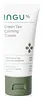
This calming moisturizer is formulated around Camellia Sinensis Leaf Extract and Niacinamide to calm redness and strengthen the skin barrier.
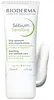
This oil-control moisturizer is formulated around Zinc Gluconate and Glycyrrhetinic Acid to balance excess oil and calm redness.


What's inside
What's inside
 Key Ingredients
Benefits
Concerns
Ingredients Side-by-side
Water
Skin ConditioningCaprylic/Capric Triglyceride
Masking


Cetearyl Alcohol
Emollient





Glyceryl Stearate
Emollient
PEG-40 Stearate
Emulsifying
Ceteareth-20
CleansingCamellia Sinensis Leaf Extract 3%
Antimicrobial






Niacinamide 3%
Smoothing




Propanediol
Solvent
Squalane
Emollient
Hydrogenated Lecithin
Emulsifying
Phytosterols
Skin Conditioning
Ceramide NP
Skin Conditioning
Ceramide Ng
Skin Conditioning
Ceramide AP
Skin Conditioning
Glyceryl Glucoside 2%
Humectant
Isoamyl Laurate
Emollient
Saccharomyces Ferment
Skin Conditioning
Lauroyl Lysine
Skin Conditioning
Xylitylglucoside
Humectant
Anhydroxylitol
Humectant
Xylitol
Humectant
Sodium Polyacrylate
Absorbent
Hydrolyzed Jojoba Esters
Skin Conditioning
Saccharide Isomerate
Humectant
Phenoxyethanol
Preservative
Ethylhexylglycerin
Skin ConditioningCarrageenan
Dimethicone
Emollient
Disodium EDTA
BHT
Antioxidant
Water, Caprylic/Capric Triglyceride, Cetearyl Alcohol, Glyceryl Stearate, PEG-40 Stearate, Ceteareth-20, Camellia Sinensis Leaf Extract 3%, Niacinamide 3%, Propanediol, Squalane, Hydrogenated Lecithin, Phytosterols, Ceramide NP, Ceramide Ng, Ceramide AP, Glyceryl Glucoside 2%, Isoamyl Laurate, Saccharomyces Ferment, Lauroyl Lysine, Xylitylglucoside, Anhydroxylitol, Xylitol, Sodium Polyacrylate, Hydrolyzed Jojoba Esters, Saccharide Isomerate, Phenoxyethanol, Ethylhexylglycerin, Carrageenan, Dimethicone, Disodium EDTA, BHT
Water
Skin ConditioningGlycerin
Humectant
Methyl Methacrylate Crosspolymer
Dipropylene Glycol
HumectantZinc Gluconate
Skin Conditioning
Coco-Caprylate/Caprate
Emollient
Vinyl Dimethicone/Methicone Silsesquioxane Crosspolymer
Caprylic/Capric Triglyceride
Masking
Arachidyl Alcohol
Emollient
Behenyl Alcohol
Emollient
Polyacrylate Crosspolymer-6
Emulsion StabilisingSodium Polyacrylate
Absorbent
Glycyrrhetinic Acid
Skin Conditioning
Propylene Glycol
Humectant
Arachidyl Glucoside
EmulsifyingBakuchiol
Antimicrobial
Laminaria Ochroleuca Extract
Skin Conditioning
Mannitol
Humectant
Xylitol
Humectant
Sodium Metabisulfite
Antioxidant
Rhamnose
HumectantGinkgo Biloba Leaf Extract
Skin Conditioning
Tocopherol
Antioxidant
Fructooligosaccharides
Humectant
Parfum
Masking


Water, Glycerin, Methyl Methacrylate Crosspolymer, Dipropylene Glycol, Zinc Gluconate, Coco-Caprylate/Caprate, Vinyl Dimethicone/Methicone Silsesquioxane Crosspolymer, Caprylic/Capric Triglyceride, Arachidyl Alcohol, Behenyl Alcohol, Polyacrylate Crosspolymer-6, Sodium Polyacrylate, Glycyrrhetinic Acid, Propylene Glycol, Arachidyl Glucoside, Bakuchiol, Laminaria Ochroleuca Extract, Mannitol, Xylitol, Sodium Metabisulfite, Rhamnose, Ginkgo Biloba Leaf Extract, Tocopherol, Fructooligosaccharides, Parfum
Reviews
Alternatives
Ingredients Explained
These ingredients are found in both products.
Ingredients higher up in an ingredient list are typically present in a larger amount.
Caprylic/Capric Triglyceride (aka MCT Oil) is a lightweight emollient, solvent, and texture enhancer. It is considered a skin-softener by helping to prevent moisture loss.
Though it behaves like an oil, it is not technically one due to its chemical composition. One perk of this ingredient is that it is very stable, resistant to oxidation, and unlikely to go rancid.
In practice, that translates to a long shelf life and a consistently elegant skin feel.
While there is an assumption Caprylic Triglyceride can clog pores due to it being derived from coconut oil, there is no research supporting this. Just patch test if you have concerns.
Fractionated coconut oil and MCT Oil are both listed as Caprylic/Capric Triglyceride according to INCI. This is because INCI names are based on the ingredient’s final chemical composition and not its marketing name or source.
This ingredient is treated as the gold standard fungal acne safe oil. Even though it is coconut derived, the problematic lauric acid is stripped out.
This leaves just caprylic (C8) and capric (C10) acid. These chain lengths actually trend antifungal; a 2020 study found caprylic acid was enough to disrupt Malassezia furfur cell membrane, with a caprylic acid derivative damaging membrane structures at concentrations as low as 0.2%.
Learn more about Caprylic/Capric TriglycerideSodium Polyacrylate is the sodium salt of polyacrylic acid. It is used as an absorber, emollient, and stabilizer.
This ingredient is a super-absorbent polymer - meaning it can absorb 100 to 1000 times its mass in water. As an emollient, Sodium Polyacrylate helps soften and soothe skin. Emollients work by creating a barrier to trap moisture in. This helps keep your skin hydrated.
Water. It's the most common cosmetic ingredient of all. You'll usually see it at the top of ingredient lists, meaning that it makes up the largest part of the product.
So why is it so popular? Water most often acts as a solvent - this means that it helps dissolve other ingredients into the formulation.
You'll also recognize water as that liquid we all need to stay alive. If you see this, drink a glass of water. Remember to stay hydrated!
Learn more about WaterXylitol is a humectant and prebiotic. It can help with dry skin.
In studies, xylitol has been shown to improve dry skin. It decreased transepidermal water loss, or when water passes through the skin and evaporates. Xylitol also showed to help improve the biomechanical properties of the skin barrier.
The prebiotic property of xylitol may also help reinforce our skin's natural microbiome. Having a healthy microbiome prevents infection by bad bacteria and helps with hydration.
As a humectant, Xylitol helps draw moisture from both the air and from deeper skin layers. This helps keep skin hydrated.
Xylitol is a sugar alcohol and commonly used as a sugar substitute. It is naturally occurring in plants such as strawberries and pumpkin.
Learn more about Xylitol

