

What's inside
What's inside
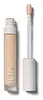 Key Ingredients
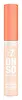
Benefits
Concerns
Ingredients Side-by-side
Aloe Barbadensis Leaf Juice
Skin Conditioning


Tetradecane
Perfuming

Hydrogenated Polydecene
EmollientGlycerin
Humectant

Disteardimonium Hectorite
StabilisingPolyglyceryl-3 Diisostearate
Emulsifying




Decyl Isostearate
Emollient
Isostearyl Isostearate
Emollient
Isostearic Acid
Cleansing
Silica
Abrasive


Propanediol
Solvent
Sorbitan Sesquiisostearate
Emulsifying
Polyglyceryl-6 Polyricinoleate
Emulsifying
Gluconolactone
Chelating




Lauroyl Lysine
Skin Conditioning
Albizia Julibrissin Bark Extract
MaskingMagnesium Sulfate
Sodium Chloride
MaskingZinc Stearate
Cosmetic ColorantHydrogenated Lecithin
Emulsifying
Tetrahexyldecyl Ascorbate
Antioxidant

Sodium Benzoate
Masking
Dodecane
Emollient
Caprylic/Capric Triglyceride
Masking
Hexadecane
Perfuming
Pistacia Lentiscus Gum
MaskingCalcium Gluconate
HumectantEthylhexylglycerin
Skin ConditioningDarutoside
Skin ConditioningPhenethyl Alcohol
MaskingCI 77891
Cosmetic ColorantCI 77491
Cosmetic ColorantCI 77492
Cosmetic ColorantCI 77499
Cosmetic ColorantAloe Barbadensis Leaf Juice, Tetradecane, Hydrogenated Polydecene, Glycerin, Disteardimonium Hectorite, Polyglyceryl-3 Diisostearate, Decyl Isostearate, Isostearyl Isostearate, Isostearic Acid, Silica, Propanediol, Sorbitan Sesquiisostearate, Polyglyceryl-6 Polyricinoleate, Gluconolactone, Lauroyl Lysine, Albizia Julibrissin Bark Extract, Magnesium Sulfate, Sodium Chloride, Zinc Stearate, Hydrogenated Lecithin, Tetrahexyldecyl Ascorbate, Sodium Benzoate, Dodecane, Caprylic/Capric Triglyceride, Hexadecane, Pistacia Lentiscus Gum, Calcium Gluconate, Ethylhexylglycerin, Darutoside, Phenethyl Alcohol, CI 77891, CI 77491, CI 77492, CI 77499
Water
Skin ConditioningPhenyl Trimethicone
Skin Conditioning
Cyclopentasiloxane
Emollient
Isododecane
EmollientPropylene Glycol
Humectant
Cyclohexasiloxane
Emollient
Cetyl PEG/PPG-10/1 Dimethicone
Emulsifying
Glycerin
Humectant
Butylene Glycol
Humectant
Tribehenin
Emollient
Trimethylsiloxysilicate
Emollient
Disteardimonium Hectorite
StabilisingPhenoxyethanol
Preservative
Polyglyceryl-4 Isostearate
Emulsifying
Hexyl Laurate
Emollient
Panthenol
Skin Conditioning
Triethoxycaprylylsilane
Alcohol
Antimicrobial


Silica Dimethyl Silylate
EmollientCaprylyl Glycol
Emollient
Talc
Abrasive
Ethylhexylglycerin
Skin ConditioningDisodium EDTA
ChelatingTocopherol
Antioxidant

CI 77891
Cosmetic ColorantIron Oxides
Water, Phenyl Trimethicone, Cyclopentasiloxane, Isododecane, Propylene Glycol, Cyclohexasiloxane, Cetyl PEG/PPG-10/1 Dimethicone, Glycerin, Butylene Glycol, Tribehenin, Trimethylsiloxysilicate, Disteardimonium Hectorite, Phenoxyethanol, Polyglyceryl-4 Isostearate, Hexyl Laurate, Panthenol, Triethoxycaprylylsilane, Alcohol, Silica Dimethyl Silylate, Caprylyl Glycol, Talc, Ethylhexylglycerin, Disodium EDTA, Tocopherol, CI 77891, Iron Oxides
Reviews
Ingredients Explained
These ingredients are found in both products.
Ingredients higher up in an ingredient list are typically present in a larger amount.
Ci 77891 is a white pigment from Titanium dioxide. It is naturally found in minerals such as rutile and ilmenite.
It's main function is to add a white color to cosmetics. It can also be mixed with other colors to create different shades.
Ci 77891 is commonly found in sunscreens due to its ability to block UV rays.
Learn more about CI 77891Disteardimonium Hectorite comes from the clay mineral named hectorite. It is used to add thickness to a product.
It can also help stabilize a product by helping to disperse other ingredients.
Hectorite is a rare, white clay mineral.
Learn more about Disteardimonium HectoriteEthylhexylglycerin is created from glycerin. It is a multitasker ingredient that:
The CIR Expert Panel found minimal skin absorption or sensitization of any kind in a safety assessment. Though this ingredient is considered well-tolerated, a small number of cases of allergic dermatitis have been published since 2002. Just be sure to patch test if you are unsure.
Industry-reported use ranges from 8% in rinse-off products and 2% in leave-on formulations.
Learn more about EthylhexylglycerinGlycerin (or glycerol) is a compound naturally found in your skin. It's a powerhouse humectant that pulls water into the stratum corneum.
Topically, glycerin does several things at once:
Your skin makes glycerin on its own (mostly from sebaceous oil breakdown) and shuttles it to your outermost layer of skin, or your epidermis, via aquaporin-3.
Aquaporin-3 is a transporter that is essential for normal skin hydration, elasticity, and repair. Interestingly, mice lacking in AQP3 have dry and less elastic skin that can be fully corrected with glycerin.
This ingredient is non-irritating, plays well with almost every ingredient, and works across all skin types. Typical use is anywhere between 3-10% but can go up to 79% in some leave-on products.
Just know very high concentrations (>40%) can feel tacky in low humidity.
Glycerin is the name for this ingredient in American English. British English uses Glycerol/Glycerine.
Learn more about Glycerin

