ialuset Cream Versus Stratia Liquid Gold


What's inside
What's inside
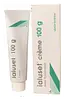 Key Ingredients
Benefits
Concerns
Ingredients Side-by-side




Water
Skin ConditioningPropylene Glycol
Humectant


Ethoxydiglycol
HumectantNiacinamide
Smoothing











Polyglyceryl-3 Methylglucose Distearate
Emulsifying
Rosa Canina Fruit Oil
Emollient
Hippophae Rhamnoides Seed Oil
Skin Protecting
Hippophae Rhamnoides Fruit Oil
Skin Protecting
Panthenol
Skin Conditioning
Dimethicone
Emollient
Glycerin
Humectant
Squalane
Emollient
Cetyl Alcohol
Emollient

Vaccinium Macrocarpon Seed Oil
Skin Conditioning
Tocopherol
Antioxidant

Camellia Sinensis Leaf Extract
Antimicrobial
Ceramide NP
Skin Conditioning
Ceramide AP
Skin Conditioning
Ceramide EOP
Skin Conditioning
Phytosphingosine
Skin Conditioning
Cholesterol
Emollient
Sodium Hyaluronate
Humectant
Sodium Lauroyl Lactylate
EmulsifyingCarbomer
Emulsion StabilisingXanthan Gum
EmulsifyingDiazolidinyl Urea
Preservative

Methylparaben
Preservative

Propylparaben
Preservative
Disodium EDTA
Water, Propylene Glycol, Ethoxydiglycol, Niacinamide, Polyglyceryl-3 Methylglucose Distearate, Rosa Canina Fruit Oil, Hippophae Rhamnoides Seed Oil, Hippophae Rhamnoides Fruit Oil, Panthenol, Dimethicone, Glycerin, Squalane, Cetyl Alcohol, Vaccinium Macrocarpon Seed Oil, Tocopherol, Camellia Sinensis Leaf Extract, Ceramide NP, Ceramide AP, Ceramide EOP, Phytosphingosine, Cholesterol, Sodium Hyaluronate, Sodium Lauroyl Lactylate, Carbomer, Xanthan Gum, Diazolidinyl Urea, Methylparaben, Propylparaben, Disodium EDTA
Reviews
Ingredients Explained
These ingredients are found in both products.
Ingredients higher up in an ingredient list are typically present in a larger amount.
Glycerin (or glycerol) is a compound naturally found in your skin. It's a powerhouse humectant that pulls water into the stratum corneum.
Topically, glycerin does several things at once:
Your skin makes glycerin on its own (mostly from sebaceous oil breakdown) and shuttles it to your outermost layer of skin, or your epidermis, via aquaporin-3.
Aquaporin-3 is a transporter that is essential for normal skin hydration, elasticity, and repair. Interestingly, mice lacking in AQP3 have dry and less elastic skin that can be fully corrected with glycerin.
This ingredient is non-irritating, plays well with almost every ingredient, and works across all skin types. Typical use is anywhere between 3-10% but can go up to 79% in some leave-on products.
Just know very high concentrations (>40%) can feel tacky in low humidity.
Glycerin is the name for this ingredient in American English. British English uses Glycerol/Glycerine.
Learn more about GlycerinPropylparaben is a preservative and one of the most widely used members of the paraben family (it's been used in cosmetics for over a century now).
It works by disrupting microbial cell membranes and enzymes, and is a broad-spectrum protector that works exceptionally well against molds, yeasts, and gram-positive bacteria.
You'll likely see it paired with methylparaben to cover the full range (including gram-negative bacteria).
This ingredient is effective at low concentrations (~0.2-0.5%) and stable across a wide pH range (4.5-7.5 pH). It's effectiveness drops off above pH 8 and it can lose potency when combined with non-ionic surfactants like polysorbate 80 due to micellization.
The regulatory bodies have concluded this ingredient to be safe as used in cosmetics. The EU has capped it at 0.14% and combined parabens are not to exceed 0.8%.
While parabens do cross the stratum corneum, only about 1% remains for absorption into the body. This is because most of it is metabolized within living skin.
Learn more about PropylparabenWater. It's the most common cosmetic ingredient of all. You'll usually see it at the top of ingredient lists, meaning that it makes up the largest part of the product.
So why is it so popular? Water most often acts as a solvent - this means that it helps dissolve other ingredients into the formulation.
You'll also recognize water as that liquid we all need to stay alive. If you see this, drink a glass of water. Remember to stay hydrated!
Learn more about Water
