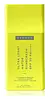
This chemical sunscreen covers the full UV range and blocks ~98% of UVB at SPF 50.
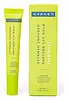
This lip moisturizer is formulated around Butyrospermum Parkii Butter to hydrate lips.

What's inside
What's inside
 Key Ingredients
Benefits
Concerns
Ingredients Side-by-side
Water
Skin ConditioningEthylhexyl Methoxycinnamate
UV Absorber


Aloe Barbadensis Extract
Skin Conditioning


Niacinamide
Smoothing









Dicaprylyl Carbonate
EmollientMethylene Bis-Benzotriazolyl Tetramethylbutylphenol
UV Filter
Glycerin
Humectant
Diethylamino Hydroxybenzoyl Hexyl Benzoate
UV Filter
Centella Asiatica Extract
Cleansing
Steareth-21
CleansingDibutyl Adipate
EmollientDimethicone
Emollient
Chamomilla Recutita Flower Extract
Masking
Sodium Hyaluronate
Humectant
Hydrolyzed Sodium Hyaluronate
Skin Conditioning
Sodium Acetylated Hyaluronate
Humectant
Sodium Hyaluronate Crosspolymer
Humectant
Tocotrienols
Skin Conditioning
Ethylhexyl Triazone
UV Absorber
Glyceryl Glucoside
Humectant
Pentylene Glycol
Skin Conditioning
Propylene Glycol
Humectant

Sodium Stearoyl Glutamate
CleansingSodium Polyacrylate
Absorbent
Xanthan Gum
EmulsifyingSodium Gluconate
Skin ConditioningDecyl Glucoside
Cleansing
Phenoxyethanol
Preservative
Ethylhexylglycerin
Skin ConditioningWater, Ethylhexyl Methoxycinnamate, Aloe Barbadensis Extract, Niacinamide, Dicaprylyl Carbonate, Methylene Bis-Benzotriazolyl Tetramethylbutylphenol, Glycerin, Diethylamino Hydroxybenzoyl Hexyl Benzoate, Centella Asiatica Extract, Steareth-21, Dibutyl Adipate, Dimethicone, Chamomilla Recutita Flower Extract, Sodium Hyaluronate, Hydrolyzed Sodium Hyaluronate, Sodium Acetylated Hyaluronate, Sodium Hyaluronate Crosspolymer, Tocotrienols, Ethylhexyl Triazone, Glyceryl Glucoside, Pentylene Glycol, Propylene Glycol, Sodium Stearoyl Glutamate, Sodium Polyacrylate, Xanthan Gum, Sodium Gluconate, Decyl Glucoside, Phenoxyethanol, Ethylhexylglycerin
Hydrogenated Polyisobutene
EmollientHelianthus Annuus Flower
Skin ConditioningEthylhexyl Methoxycinnamate
UV Absorber
Olive Oil PEG-7 Esters
Emollient

Bis-Ethylhexyloxyphenol Methoxyphenyl Triazine
Skin Conditioning
Ethylhexyl Triazone
UV Absorber
Caprylic/Capric Triglyceride
Masking
Kojic Dipalmitate
Emollient
Copernicia Cerifera Wax
Polyurethane-79
Tocotrienols
Skin Conditioning
Tocopherol
Antioxidant
Ascorbyl Palmitate
Antioxidant
Punica Granatum Seed Oil
Emollient
Persea Gratissima Oil
Skin Conditioning
Butyrospermum Parkii Butter
Skin Conditioning

Polyethylene
Abrasive
Caprylyl Glycol
Emollient
Sucralose
Skin ConditioningLecithin
Emollient
Hydrogenated Polyisobutene, Helianthus Annuus Flower, Ethylhexyl Methoxycinnamate, Olive Oil PEG-7 Esters, Bis-Ethylhexyloxyphenol Methoxyphenyl Triazine, Ethylhexyl Triazone, Caprylic/Capric Triglyceride, Kojic Dipalmitate, Copernicia Cerifera Wax, Polyurethane-79, Tocotrienols, Tocopherol, Ascorbyl Palmitate, Punica Granatum Seed Oil, Persea Gratissima Oil, Butyrospermum Parkii Butter, Polyethylene, Caprylyl Glycol, Sucralose, Lecithin
Reviews
Ingredients Explained
These ingredients are found in both products.
Ingredients higher up in an ingredient list are typically present in a larger amount.
This ingredient is also known as Octinoxate and is one of the oldest and most widely used chemical UV filters in skincare.
It has a simple job: soap up UVB radiation (290-320 nm), the wavelengths responsible for sunburn and a big chunk of long-term sun damage.
In formulas, it's always paired with a separate UVA filter because octinoxate solely protects skin from UVB.
Because it's an oil-soluble liquid, it's easy to blend into the oil phase of lotions/creams and gives a cosmetically elegant feel.
The one quirk about formulating this ingredient is photostability; the molecule slowly changes shape into a less effective version when sunlight hits it. So the longer you're in the sun, the weaker its protection gets. The drop can be more than 30% in some formulas.
It also doesn't play nice with Avobenzone (the common UVA filter) since avobenzone destabilizes octinoxate and the two degrade each other. But don't worry: brands have solved this issue by adding photostabilizers like Tinosorb S to prevent degradation and keep SPF stable under heavy UV exposure.
The maximum allowed level is 10% in the EU and Australia, 7.5% in the US and Canada, and 20% in Japan.
The Cosmetic Ingredient Review Panel has concluded this ingredient to be safe in cosmetics up to 10%.
One last thing worth knowing for context:
Octinoxate has been the subject of ongoing review in Europe where the Scientific Committee on Consumer Safety's (SCCS) 2025 final opinion is that this ingredient is an endocrine-active substance.
Lab and animal studies suggest it can act a bit like a hormone in the body (mildly mimicking estrogen and slightly blocking male hormones). It's important to know this hasn't really been shown to happen in everyday human use.
This ingredient is also banned in Hawaii over coral reef concerns.
Learn more about Ethylhexyl MethoxycinnamateEthylhexyl Triazone (aka Octyl Triazone) is an oil-soluble organic UVB filter. It has peak absorption around 314 nm, right in the middle of the UVB range.
This ingredient is described as one of the most effective UVB filters available and small concentrations are enough to deliver a high SPF thanks to its strong UV absorbing power.
Formulators love it for its stability; its ability to filter UV stays practically unchanged even under intense radiation and it can also help boost the photostability of less stable filters like avobenzone.
It's also a great pick for water resistant products because it's insoluble in water and has a good affinity for keratin.
Because it's a big, heavy molecule, the European Scientific Committee has found to to have very low dermal penetration and negative results for allergenicity.
In vitro testing also showed a low absorption rate and clean results on irritation.
Typical use levels are 1-5% with 5% being the maximum in the EU, Japan, and other markets that allow it. However, this ingredient is not approved yet in the US or Canada.
Learn more about Ethylhexyl TriazoneTocotrienols are a lesser known form of Vitamin E with skin conditioning and UV absorbing properties.
The most common form of Vitamin E in skincare is Tocopherol. Tocotrienols have a slightly different molecular structure; their "tail" is more flexible and unsaturated. This actually helps them absorb into skin more easily and integrate into cell membranes more efficiently.
Research suggests tocotrienols can help with several signs of skin aging, including:
There are four types of tocotrienols: alpha, beta, gamma, and delta.
Fun fact: You can find tocotrienols in ingredients like rice bran oil, palm oil, anatto beans, oats, and hazelnuts.
Learn more about Tocotrienols

