Hyper Skin Hyper Clear Brightening Clearing Vitamin C Serum Versus Ranavat Brightening Saffron Serum
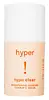
This brightening serum is formulated around 3-O-Ethyl Ascorbic Acid and Kojic Acid to fade the look of dark spots and brighten dull-looking skin.
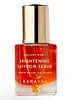
This brightening serum is formulated around Glycyrrhiza Glabra Root Extract to brighten dull-looking skin and fade the look of dark spots.

What's inside
What's inside
 Key Ingredients
Benefits
Concerns
Ingredients Side-by-side
Water
Skin Conditioning3-O-Ethyl Ascorbic Acid
Skin Conditioning





Kojic Acid
Antioxidant


Aloe Barbadensis Leaf Juice
Skin Conditioning

Arctostaphylos Uva-Ursi Leaf Extract
Skin Conditioning
Biotin
AntiseborrhoeicCamellia Oleifera Leaf Extract
AstringentCitric Acid
Buffering

Corallina Officinalis Extract
Skin Conditioning

Curcuma Longa Root Extract
Antioxidant
Ethylhexylglycerin
Skin ConditioningGlycerin
Humectant
Glycyrrhiza Glabra Root Extract
Bleaching
Hyaluronic Acid
Humectant

Hydroxyethylcellulose
Emulsion StabilisingLactobacillus/Papaya Fruit Ferment Extract
Abrasive
Lecithin
Emollient
Maltodextrin
Absorbent
Melia Azadirachta Flower Extract
Skin ConditioningMelia Azadirachta Leaf Extract
Skin ConditioningOcimum Basilicum Extract
Antioxidant
Ocimum Sanctum Leaf Extract
Skin ConditioningPhenoxyethanol
Preservative
Phyllanthus Emblica Fruit Extract
HumectantPotassium Sorbate
Preservative
Pullulan
Pyrus Malus Fruit Extract
Skin Conditioning
Saccharomyces/Xylinum/Black Tea Ferment
Skin Conditioning
Salicylic Acid
Masking




Sclerotium Gum
Emulsion StabilisingSilica
Abrasive
Sodium Benzoate
Masking
Sodium Citrate
BufferingTetrasodium EDTA
ChelatingTocopherol
Antioxidant
Xanthan Gum
EmulsifyingWater, 3-O-Ethyl Ascorbic Acid, Kojic Acid, Aloe Barbadensis Leaf Juice, Arctostaphylos Uva-Ursi Leaf Extract, Biotin, Camellia Oleifera Leaf Extract, Citric Acid, Corallina Officinalis Extract, Curcuma Longa Root Extract, Ethylhexylglycerin, Glycerin, Glycyrrhiza Glabra Root Extract, Hyaluronic Acid, Hydroxyethylcellulose, Lactobacillus/Papaya Fruit Ferment Extract, Lecithin, Maltodextrin, Melia Azadirachta Flower Extract, Melia Azadirachta Leaf Extract, Ocimum Basilicum Extract, Ocimum Sanctum Leaf Extract, Phenoxyethanol, Phyllanthus Emblica Fruit Extract, Potassium Sorbate, Pullulan, Pyrus Malus Fruit Extract, Saccharomyces/Xylinum/Black Tea Ferment, Salicylic Acid, Sclerotium Gum, Silica, Sodium Benzoate, Sodium Citrate, Tetrasodium EDTA, Tocopherol, Xanthan Gum
Sesamum Indicum Seed Oil
Emollient
Oryza Sativa Bran Oil
Emollient
Caprylic/Capric Triglyceride
Masking
Rubia Cordifolia Stem Extract
HumectantCrocus Sativus Callus Extract
Antioxidant
Tocopherol
Antioxidant
Rosa Damascena Flower
Skin ConditioningWater
Skin ConditioningGlycine Soja Oil
Emollient
Berberis Aristata Root Extract
Skin ConditioningCurcuma Longa Root Extract
Antioxidant
Glycyrrhiza Glabra Root Extract
Bleaching
Nelumbo Nucifera Flower Extract
Skin ConditioningVetiveria Zizanoides Root Extract
Perfuming
Symplocos Racemosa Bark Extract
HumectantBrassica Juncea Seed Extract
Skin ConditioningCyperus Rotundus Root Extract
Skin ConditioningMesua Ferrea Flower Extract
Skin ConditioningPrunus Cerasoides Extract
Butea Monosperma Flower Extract
Callicarpa Macrophylla Fruit Extract
Skin ConditioningInula Racemosa Root Extract
Skin ConditioningFicus Benghalensis Bark/Bud Extract
Preservative
Rosa Damascena Flower Oil
Masking

Geraniol
Perfuming
Eugenol
Perfuming
Citral
Perfuming
Citronellol
Perfuming
Limonene
Perfuming
Alpha-Terpinene
Perfuming
L-Alpha-Pinene
Perfuming
L-Beta-Pinene
Perfuming
Farnesol
Perfuming
Geranyl Acetate
Perfuming
Linalool
Perfuming
Neral
Perfuming
Sesamum Indicum Seed Oil, Oryza Sativa Bran Oil, Caprylic/Capric Triglyceride, Rubia Cordifolia Stem Extract, Crocus Sativus Callus Extract, Tocopherol, Rosa Damascena Flower, Water, Glycine Soja Oil, Berberis Aristata Root Extract, Curcuma Longa Root Extract, Glycyrrhiza Glabra Root Extract, Nelumbo Nucifera Flower Extract, Vetiveria Zizanoides Root Extract, Symplocos Racemosa Bark Extract, Brassica Juncea Seed Extract, Cyperus Rotundus Root Extract, Mesua Ferrea Flower Extract, Prunus Cerasoides Extract, Butea Monosperma Flower Extract, Callicarpa Macrophylla Fruit Extract, Inula Racemosa Root Extract, Ficus Benghalensis Bark/Bud Extract, Rosa Damascena Flower Oil, Geraniol, Eugenol, Citral, Citronellol, Limonene, Alpha-Terpinene, L-Alpha-Pinene, L-Beta-Pinene, Farnesol, Geranyl Acetate, Linalool, Neral
Reviews
Alternatives
Ingredients Explained
These ingredients are found in both products.
Ingredients higher up in an ingredient list are typically present in a larger amount.
Curcuma Longa Root Extract comes from the rhizome (underground stem) of the turmeric plant.
While the official EU Cosing Database lists this ingredient as a fragrance, it actually does more than give products a scent.
This ingredient contains a group of yellow pigments called curcuminoids (mostly curcumin) that give it genuine antioxidant and anti-inflammatory activity in skin.
Reviews of topical clinical studies have found turmeric/curcumin to be generally well-tolerated and useful across conditions like eczema and mild inflammation.
One thing working in its favor is that curcumin barely penetrates; in lab skin-permeation testing, the curcuminoids mostly stayed in the outermost layer of skin. This is a good thing because its soothing and antioxidant activity is a surface-level job anyway.
At this time, industry data shows there's no single "correct" cosmetic percentage. It's used across a wide range depending on the product and varies from tiny fractions of a percent up to a few percent.
Allergy-wise, curcumin is a documented (but uncommon) contact allergen. It can also cross react with related plants, so anyone with a turmeric/ginger/cinnamon allergy or reactive skin should patch test first.
Learn more about Curcuma Longa Root ExtractGlycyrrhiza Glabra Root Extract is an extract of the roots of Licorice. It has been found to have several benefits such as skin hydrating, conditioning, and soothing.
One component, glabridin, has extra potent antioxidant and soothing properties. It has also been found to block pigmentation from UVB rays in guinea pigs.
Licorice Root also contains a flavonoid. Flavonoids are a natural substance from in plants. Flavonoids also have antioxidant properties.
Another component, glycyrrhizin, has been found to have anti-inflammatory and antimicrobial benefits. This may make licorice root extract effective at treating acne. However, more research is needed to support this.
Liquiritin is one of the flavone compounds found in licorice. It has been found to help lighten skin by preventing tyrosinase from reacting with tyrosine. When the two react, protein is converted to melanin. Melanin is the substance in your body that gives your features pigmentation.
Learn more about Glycyrrhiza Glabra Root ExtractTocopherol is a fat-soluble antioxidant known as Vitamin E.
You'll find this ingredient in the vast majority of skincare (for good reason). It works to neutralize free radicals, or unstable molecules generated by UV exposure, pollution, and other environmental stressors, before they can cause oxidative damage to your skin cells.
Topically applied tocopherol has been shown to protect against UV damage by ramping up the skin's own natural defense enzymes.
It also acts as a skin conditioning agent; some studies show that regular topical use can improve the skin's water-binding capacity over 2-4 weeks.
This ingredient is especially loved for being a team player. When combined with Vitamin C, the photoprotective effect of both ingredients roughly doubles and the combo also helps reduce UV-induced DNA damage.
This ingredient has some brightening potential but it's more of a prevention ingredient than spot-fader. Cell studies show it can slow down melanin production but it's worth noting that it's not the most powerful brightener out there.
In formulations, it also serves as a stabilizer that helps protect other oxidation-prone ingredients from degrading.
Concentrations usually range from 0.1-1% in most leave-on products.
Learn more about TocopherolWater. It's the most common cosmetic ingredient of all. You'll usually see it at the top of ingredient lists, meaning that it makes up the largest part of the product.
So why is it so popular? Water most often acts as a solvent - this means that it helps dissolve other ingredients into the formulation.
You'll also recognize water as that liquid we all need to stay alive. If you see this, drink a glass of water. Remember to stay hydrated!
Learn more about Water

