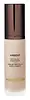
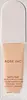
Hourglass Cosmetics Ambient Soft Glow Foundation Versus Rose Inc Softlight Skin-Smoothing Liquid Foundation

What's inside
What's inside
 Key Ingredients
Benefits
Concerns
No concerns
Ingredients Side-by-side
Water
Skin ConditioningCyclopentasiloxane
Emollient
Cyclohexasiloxane
Emollient
Isododecane
EmollientTrimethylsiloxysilicate
Emollient
Glycerin
Humectant


Butylene Glycol
Humectant
Dimethicone
Emollient
Lauryl PEG-10 Tris(Trimethylsiloxy)Silylethyl Dimethicone
Emulsifying
Polymethylsilsesquioxane
1,2-Hexanediol
Skin Conditioning
Disteardimonium Hectorite
StabilisingAcrylates/Polytrimethylsiloxymethacrylate Copolymer
Skin ConditioningMagnesium Sulfate
Sorbitan Sesquioleate
Emulsifying

Dimethicone/Vinyl Dimethicone Crosspolymer
Skin Conditioning
Triethoxycaprylylsilane
Dimethicone/PEG-10/15 Crosspolymer
Aluminum Hydroxide
EmollientTribehenin
Emollient
Caprylyl Glycol
Emollient
Tocopheryl Acetate
Antioxidant


Ethylhexylglycerin
Skin ConditioningXanthan Gum
EmulsifyingCaesalpinia Spinosa Fruit Extract
Skin ProtectingDipropylene Glycol
HumectantSodium Citrate
BufferingKappaphycus Alvarezii Extract
Skin Conditioning

Tocopherol
Antioxidant


Camellia Sinensis Leaf Extract
Antimicrobial


CI 77891
Cosmetic ColorantIron Oxides
Water, Cyclopentasiloxane, Cyclohexasiloxane, Isododecane, Trimethylsiloxysilicate, Glycerin, Butylene Glycol, Dimethicone, Lauryl PEG-10 Tris(Trimethylsiloxy)Silylethyl Dimethicone, Polymethylsilsesquioxane, 1,2-Hexanediol, Disteardimonium Hectorite, Acrylates/Polytrimethylsiloxymethacrylate Copolymer, Magnesium Sulfate, Sorbitan Sesquioleate, Dimethicone/Vinyl Dimethicone Crosspolymer, Triethoxycaprylylsilane, Dimethicone/PEG-10/15 Crosspolymer, Aluminum Hydroxide, Tribehenin, Caprylyl Glycol, Tocopheryl Acetate, Ethylhexylglycerin, Xanthan Gum, Caesalpinia Spinosa Fruit Extract, Dipropylene Glycol, Sodium Citrate, Kappaphycus Alvarezii Extract, Tocopherol, Camellia Sinensis Leaf Extract, CI 77891, Iron Oxides
Water
Skin ConditioningDimethicone
Emollient
Trisiloxane
Skin Conditioning
Glycerin
Humectant
C9-12 Alkane
SolventPolyphenylsilsesquioxane
Phenyl Trimethicone
Skin Conditioning
Polyglyceryl-3 Polydimethylsiloxyethyl Dimethicone
Skin Conditioning
Propanediol
Solvent
Octyldodecanol
Emollient
Dimethicone/Polyglycerin-3 Crosspolymer
Cleansing
Dimethicone/Vinyl Dimethicone Crosspolymer
Skin Conditioning
Ectoin
Skin Conditioning
Squalane
Emollient
Ganoderma Lucidum Extract
Skin Protecting
Evodia Rutaecarpa Fruit Extract
Skin ConditioningLeptospermum Scoparium Branch/Leaf Oil
Tonic
Magnolia Officinalis Bark Extract
Antimicrobial
Piper Nigrum Seed Extract
RefreshingDisteardimonium Hectorite
StabilisingPentylene Glycol
Skin Conditioning
Caprylyl Glycol
Emollient
Triethoxycaprylylsilane
Tocopherol
Antioxidant
Triethyl Citrate
Masking

Sodium Citrate
BufferingSodium Chloride
MaskingEthylhexylglycerin
Skin ConditioningXanthan Gum
Emulsifying1,2-Hexanediol
Skin Conditioning
Iron Oxides
CI 77891
Cosmetic ColorantWater, Dimethicone, Trisiloxane, Glycerin, C9-12 Alkane, Polyphenylsilsesquioxane, Phenyl Trimethicone, Polyglyceryl-3 Polydimethylsiloxyethyl Dimethicone, Propanediol, Octyldodecanol, Dimethicone/Polyglycerin-3 Crosspolymer, Dimethicone/Vinyl Dimethicone Crosspolymer, Ectoin, Squalane, Ganoderma Lucidum Extract, Evodia Rutaecarpa Fruit Extract, Leptospermum Scoparium Branch/Leaf Oil, Magnolia Officinalis Bark Extract, Piper Nigrum Seed Extract, Disteardimonium Hectorite, Pentylene Glycol, Caprylyl Glycol, Triethoxycaprylylsilane, Tocopherol, Triethyl Citrate, Sodium Citrate, Sodium Chloride, Ethylhexylglycerin, Xanthan Gum, 1,2-Hexanediol, Iron Oxides, CI 77891
Reviews
Ingredients Explained
These ingredients are found in both products.
Ingredients higher up in an ingredient list are typically present in a larger amount.
1,2-Hexanediol is a synthetic liquid and another multi-functional powerhouse.
It is a:
- Humectant, drawing moisture into the skin
- Emollient, helping to soften skin
- Solvent, dispersing and stabilizing formulas
- Preservative booster, enhancing the antimicrobial activity of other preservatives
Caprylyl Glycol is a humectant, skin conditioner, emollient, and preservative booster derived from either caprylic acid or synthetically created.
Typical use levels vary from 0.3-1% as a preservative booster and go up to 2% to condition skin.
Because it is not a free-fatty acid, this ingredient is fungal acne safe (there's nothing for Malassezia to feed on).
Learn more about Caprylyl GlycolCi 77891 is a white pigment from Titanium dioxide. It is naturally found in minerals such as rutile and ilmenite.
It's main function is to add a white color to cosmetics. It can also be mixed with other colors to create different shades.
Ci 77891 is commonly found in sunscreens due to its ability to block UV rays.
Learn more about CI 77891Dimethicone is a type of synthetic silicone created from natural materials such as quartz. It is also known as polydimethylsiloxane.
What it does:
Dimethicone comes in different viscosities:
Depending on the viscosity, dimethicone has different properties.
Ingredients lists don't always show which type is used, so we recommend reaching out to the brand if you have questions about the viscosity.
This ingredient is unlikely to cause irritation because it does not get absorbed into skin. However, people with silicone allergies should be careful about using this ingredient.
Note: Dimethicone may contribute to pilling. This is because it is not oil or water soluble, so pilling may occur when layered with products. When mixed with heavy oils in a formula, the outcome is also quite greasy.
Learn more about DimethiconeThis ingredient is a silicone elastomer that works as a texture enhancer, adds a silky slip, and also helps absorb excess oil.
Because it's a large macromolecule that's insoluble in water and chemically inert, it's not expected to penetrate or be absorbed into skin.
Human patch tests with a facial lotion containing 1% of this ingredient found no sensitization.
Learn more about Dimethicone/Vinyl Dimethicone CrosspolymerDisteardimonium Hectorite comes from the clay mineral named hectorite. It is used to add thickness to a product.
It can also help stabilize a product by helping to disperse other ingredients.
Hectorite is a rare, white clay mineral.
Learn more about Disteardimonium HectoriteEthylhexylglycerin is created from glycerin. It is a multitasker ingredient that:
The CIR Expert Panel found minimal skin absorption or sensitization of any kind in a safety assessment. Though this ingredient is considered well-tolerated, a small number of cases of allergic dermatitis have been published since 2002. Just be sure to patch test if you are unsure.
Industry-reported use ranges from 8% in rinse-off products and 2% in leave-on formulations.
Learn more about EthylhexylglycerinGlycerin (or glycerol) is a compound naturally found in your skin. It's a powerhouse humectant that pulls water into the stratum corneum.
Topically, glycerin does several things at once:
Your skin makes glycerin on its own (mostly from sebaceous oil breakdown) and shuttles it to your outermost layer of skin, or your epidermis, via aquaporin-3.
Aquaporin-3 is a transporter that is essential for normal skin hydration, elasticity, and repair. Interestingly, mice lacking in AQP3 have dry and less elastic skin that can be fully corrected with glycerin.
This ingredient is non-irritating, plays well with almost every ingredient, and works across all skin types. Typical use is anywhere between 3-10% but can go up to 79% in some leave-on products.
Just know very high concentrations (>40%) can feel tacky in low humidity.
Glycerin is the name for this ingredient in American English. British English uses Glycerol/Glycerine.
Learn more about GlycerinSodium Citrate is the sodium salts of citric acid. In skincare, it is used to alter pH levels and acts as a preservative.
Its main functions are to maintain the pH of a product and neutralize metal ions.
The acidity of our skin is maintained by our glands and skin biome; normal pH level of skin is slightly acidic (~4.75-5.5).
Being slightly acidic allows our skin to create an "acid mantle". This acid mantle is a thin barrier that protects our skin from bacteria and contaminants.
Learn more about Sodium CitrateTocopherol is a fat-soluble antioxidant known as Vitamin E.
You'll find this ingredient in the vast majority of skincare (for good reason). It works to neutralize free radicals, or unstable molecules generated by UV exposure, pollution, and other environmental stressors, before they can cause oxidative damage to your skin cells.
Topically applied tocopherol has been shown to protect against UV damage by ramping up the skin's own natural defense enzymes.
It also acts as a skin conditioning agent; some studies show that regular topical use can improve the skin's water-binding capacity over 2-4 weeks.
This ingredient is especially loved for being a team player. When combined with Vitamin C, the photoprotective effect of both ingredients roughly doubles and the combo also helps reduce UV-induced DNA damage.
This ingredient has some brightening potential but it's more of a prevention ingredient than spot-fader. Cell studies show it can slow down melanin production but it's worth noting that it's not the most powerful brightener out there.
In formulations, it also serves as a stabilizer that helps protect other oxidation-prone ingredients from degrading.
Concentrations usually range from 0.1-1% in most leave-on products.
Learn more about TocopherolTriethoxycaprylylsilane is a silicon-based surface modifier that makes sunscreens feel silky and makeup stay put.
Its main job is to coat mineral particles like titanium dioxide, zinc oxide, and color pigments in a thin, oily layer so they spread smoothly, don't clump, and stick to skin better.
This ingredient is typically used at low levels (up to 2.5% in eyeshadow and 1% in lipstick).
Learn more about TriethoxycaprylylsilaneWater. It's the most common cosmetic ingredient of all. You'll usually see it at the top of ingredient lists, meaning that it makes up the largest part of the product.
So why is it so popular? Water most often acts as a solvent - this means that it helps dissolve other ingredients into the formulation.
You'll also recognize water as that liquid we all need to stay alive. If you see this, drink a glass of water. Remember to stay hydrated!
Learn more about WaterXanthan gum is used as a stabilizer and thickener within cosmetic products. It helps give products a sticky, thick feeling - preventing them from being too runny.
On the technical side of things, xanthan gum is a polysaccharide - a combination consisting of multiple sugar molecules bonded together.
Xanthan gum is a pretty common and great ingredient. It is a natural, non-toxic, non-irritating ingredient that is also commonly used in food products.
Learn more about Xanthan GumThis ingredient is a combination of red, black, and yellow iron oxide pigments. This combination of colors is usually found in foundation, because it results in a "skin" color.
The EU typically uses CI numbers for colorants when applicable, such as CI 77489. In the US, iron oxides are regulated as color additives and "iron oxides" is the most commonly used name in US cosmetic practice.
A 2021 paper looked at skincare formulations containing iron oxides and found that they reduced transmission of blue light when measured optically. In simple terms, the pigment particles helped block or scatter part of the visible light spectrum in lab testing and the authors suggest this could translate into better protection against blue-light-related skin effects.
There is also clinical and experimental research showing that tinted products containing iron oxides can reduce visible light-induced pigmentation:
Please note, whether a product reduces visible or blue light depends on things like:
In the EU's CosIng database, iron oxides are only listed as a colorant. CosIng groups ingredients by their main cosmetic role, such as colorant, preservative, or UV filter.
Though studies say iron oxides can "attenuate blue light", they're describing an optical property and not an officially recognized cosmetic function.
So CosIng isn’t contradicting the research. It’s just classifying iron oxides by what they officially are: pigments that add color.
Learn more about Iron Oxides

