Holika Holika Honey Royalactin Propolis Ampoule Versus Mary & May Idebenone + Blackberry Complex Serum
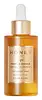
This hydrating ampoule is formulated around Niacinamide and Propolis Extract to hydrate skin and strengthen the skin barrier.
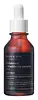
This anti-aging serum is formulated around Hydroxydecyl Ubiquinone to soften the look of wrinkles and brighten dull-looking skin.

What's inside
What's inside
 Key Ingredients
Benefits
Concerns
Ingredients Side-by-side
Water
Skin ConditioningPentylene Glycol
Skin Conditioning
Glycerin
Humectant

Methyl Gluceth-20
Humectant
Polyglycerin-3
Humectant
Niacinamide
Smoothing









Butylene Glycol
Humectant
1,2-Hexanediol
Skin Conditioning
Alcohol
Antimicrobial




Propolis Extract
Skin Conditioning
Octyldodeceth-16
EmulsifyingDipropylene Glycol
HumectantMethylpropanediol
SolventLaminaria Japonica Extract
Skin Protecting
Eclipta Prostrata Leaf Extract
Skin ConditioningHoney
Humectant
Acrylates/C10-30 Alkyl Acrylate Crosspolymer
Emulsion StabilisingGlyceryl Polymethacrylate
Xanthan Gum
EmulsifyingTromethamine
BufferingPropanediol
Solvent
Parfum
Masking

Adenosine
Skin Conditioning
Fructooligosaccharides
Humectant
Hydrogenated Lecithin
Emulsifying
Beta-Glucan
Skin Conditioning
Cynara Scolymus Leaf Extract
Skin ConditioningAvena Sativa Kernel Extract
Abrasive

Polyquaternium-51
Skin Conditioning
Camellia Sinensis Leaf Water
Masking
Melia Azadirachta Leaf Extract
Skin ConditioningMelia Azadirachta Flower Extract
Skin ConditioningCurcuma Longa Root Extract
Antioxidant
Theobroma Cacao Seed Extract
Antioxidant
Dextrin
AbsorbentAcmella Oleracea Extract
Skin ProtectingHydrolyzed Hyaluronic Acid
Humectant
Ocimum Sanctum Leaf Extract
Skin ConditioningCorallina Officinalis Extract
Skin Conditioning
Butyrospermum Parkii Butter
Skin Conditioning

Phenethyl Alcohol
MaskingEthylhexylglycerin
Skin ConditioningMaltodextrin
Absorbent
Hydrolyzed Royal Jelly Protein
Skin ConditioningWater, Pentylene Glycol, Glycerin, Methyl Gluceth-20, Polyglycerin-3, Niacinamide, Butylene Glycol, 1,2-Hexanediol, Alcohol, Propolis Extract, Octyldodeceth-16, Dipropylene Glycol, Methylpropanediol, Laminaria Japonica Extract, Eclipta Prostrata Leaf Extract, Honey, Acrylates/C10-30 Alkyl Acrylate Crosspolymer, Glyceryl Polymethacrylate, Xanthan Gum, Tromethamine, Propanediol, Parfum, Adenosine, Fructooligosaccharides, Hydrogenated Lecithin, Beta-Glucan, Cynara Scolymus Leaf Extract, Avena Sativa Kernel Extract, Polyquaternium-51, Camellia Sinensis Leaf Water, Melia Azadirachta Leaf Extract, Melia Azadirachta Flower Extract, Curcuma Longa Root Extract, Theobroma Cacao Seed Extract, Dextrin, Acmella Oleracea Extract, Hydrolyzed Hyaluronic Acid, Ocimum Sanctum Leaf Extract, Corallina Officinalis Extract, Butyrospermum Parkii Butter, Phenethyl Alcohol, Ethylhexylglycerin, Maltodextrin, Hydrolyzed Royal Jelly Protein
Water
Skin ConditioningRubus Fruticosus Fruit Extract
AstringentEuterpe Oleracea Fruit Extract
Vaccinium Angustifolium Fruit Extract
Skin Protecting
Glycerin
Humectant
Caprylic/Capric Triglyceride
Masking
Glycereth-26
Humectant
1,2-Hexanediol
Skin Conditioning
Butylene Glycol
Humectant
Polyglyceryl-10 Laurate
Skin Conditioning
Hydroxydecyl Ubiquinone
Antioxidant
Hydrogenated Lecithin
Emulsifying
Arginine
Masking
Carbomer
Emulsion StabilisingEthylhexylglycerin
Skin ConditioningCaprylyl Glycol
Emollient
Water, Rubus Fruticosus Fruit Extract, Euterpe Oleracea Fruit Extract, Vaccinium Angustifolium Fruit Extract, Glycerin, Caprylic/Capric Triglyceride, Glycereth-26, 1,2-Hexanediol, Butylene Glycol, Polyglyceryl-10 Laurate, Hydroxydecyl Ubiquinone, Hydrogenated Lecithin, Arginine, Carbomer, Ethylhexylglycerin, Caprylyl Glycol
Reviews
Ingredients Explained
These ingredients are found in both products.
Ingredients higher up in an ingredient list are typically present in a larger amount.
1,2-Hexanediol is a synthetic liquid and another multi-functional powerhouse.
It is a:
- Humectant, drawing moisture into the skin
- Emollient, helping to soften skin
- Solvent, dispersing and stabilizing formulas
- Preservative booster, enhancing the antimicrobial activity of other preservatives
Butylene Glycol (or BG) is used within cosmetic products for a few different reasons:
Overall, Butylene Glycol is a safe and well-rounded ingredient that works well with other ingredients.
Though this ingredient works well with most skin types, some people with sensitive skin may experience a reaction such as allergic rashes, closed comedones, or itchiness.
Learn more about Butylene GlycolEthylhexylglycerin is created from glycerin. It is a multitasker ingredient that:
The CIR Expert Panel found minimal skin absorption or sensitization of any kind in a safety assessment. Though this ingredient is considered well-tolerated, a small number of cases of allergic dermatitis have been published since 2002. Just be sure to patch test if you are unsure.
Industry-reported use ranges from 8% in rinse-off products and 2% in leave-on formulations.
Learn more about EthylhexylglycerinGlycerin (or glycerol) is a compound naturally found in your skin. It's a powerhouse humectant that pulls water into the stratum corneum.
Topically, glycerin does several things at once:
Your skin makes glycerin on its own (mostly from sebaceous oil breakdown) and shuttles it to your outermost layer of skin, or your epidermis, via aquaporin-3.
Aquaporin-3 is a transporter that is essential for normal skin hydration, elasticity, and repair. Interestingly, mice lacking in AQP3 have dry and less elastic skin that can be fully corrected with glycerin.
This ingredient is non-irritating, plays well with almost every ingredient, and works across all skin types. Typical use is anywhere between 3-10% but can go up to 79% in some leave-on products.
Just know very high concentrations (>40%) can feel tacky in low humidity.
Glycerin is the name for this ingredient in American English. British English uses Glycerol/Glycerine.
Learn more about GlycerinHydrogenated Lecithin is a more stable version of lecithin.
It's made by taking lecithin (a phospholipid commonly found in soybeans and egg yolks) and hydrogenating it. This just means the unsaturated fatty acids are turned into saturated ones so they don't go bad as easily.
This ingredient is an emollient, emulsifier, and penetration enhancer. As an emollient, it helps soften and hydrate skin by trapping moisture within. As an emulsifier, it prevents oil and water ingredients from separating.
Hydrogenated Lecithin can form tiny spherical structures made of phospholipid bilayers called liposomes. These liposomes are able to capture compounds inside their structure and deliver them through the skin barrier.
Because phospholipids are a natural component of our cell membranes, this ingredient is inherently compatible with skin.
A 2021 study found lecithin-based surfactants were less harsh and more tolerable comared to Sodium Lauryl Sulfate (SLS).
Learn more about Hydrogenated LecithinWater. It's the most common cosmetic ingredient of all. You'll usually see it at the top of ingredient lists, meaning that it makes up the largest part of the product.
So why is it so popular? Water most often acts as a solvent - this means that it helps dissolve other ingredients into the formulation.
You'll also recognize water as that liquid we all need to stay alive. If you see this, drink a glass of water. Remember to stay hydrated!
Learn more about Water

