

What's inside
What's inside
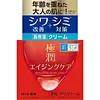 Key Ingredients

Benefits
Concerns
Ingredients Side-by-side
Niacinamide
Smoothing










Sodium Hyaluronate
Humectant

Hydrolyzed Hyaluronic Acid
Humectant
Sodium Acetylated Hyaluronate
Humectant
Acetyl Glucosamine
Skin ConditioningWine Extract
Antioxidant
Butyrospermum Parkii Butter
Skin Conditioning


Tocopherol
Antioxidant
Glycerin
Humectant
Butylene Glycol
Humectant
Capric Acid
Cleansing
C20 Olefin
1,5-Pentanediol
SolventPolyglyceryl-5 Triisostearate
Cleansing
PEG-20 Sorbitan Isostearate
Emulsifying
Polyethylene
Abrasive
Dimethicone
Emollient
Pullulan
Polyvinylalcohol Crosspolymer
Melaleuca Alternifolia Leaf Oil
Antioxidant

Salicylic Acid
Masking



Citric Acid
Buffering

Behenyl Alcohol
Emollient
Stearyl Alcohol
Emollient
Hyaluronic Acid
Humectant
Niacinamide, Sodium Hyaluronate, Hydrolyzed Hyaluronic Acid, Sodium Acetylated Hyaluronate, Acetyl Glucosamine, Wine Extract, Butyrospermum Parkii Butter, Tocopherol, Glycerin, Butylene Glycol, Capric Acid, C20 Olefin, 1,5-Pentanediol, Polyglyceryl-5 Triisostearate, PEG-20 Sorbitan Isostearate, Polyethylene, Dimethicone, Pullulan, Polyvinylalcohol Crosspolymer, Melaleuca Alternifolia Leaf Oil, Salicylic Acid, Citric Acid, Behenyl Alcohol, Stearyl Alcohol, Hyaluronic Acid
Houttuynia Cordata Extract 70%
Skin Conditioning
Cetearyl Alcohol
Emollient
Glycerin
Humectant
Cyclohexasiloxane
Emollient
Butylene Glycol
Humectant
1,2-Hexanediol
Skin Conditioning
Dicaprylyl Ether
Emollient
Caprylic/Capric Triglyceride
Masking
Hydrogenated Poly(C6-14 Olefin)
EmollientHydrogenated Polydecene
EmollientGlyceryl Stearate Se
Emulsifying
Cetearyl Olivate
Sorbitan Olivate
Emulsifying
Vegetable Oil
Skin Conditioning
Panthenol
Skin Conditioning
Hydrogenated Lecithin
Emulsifying
Dipropylene Glycol
HumectantBehenyl Alcohol
Emollient
Ammonium Acryloyldimethyltaurate/Vp Copolymer
Cetearyl Glucoside
EmulsifyingCholesterol
Emollient
Xanthan Gum
EmulsifyingAdenosine
Skin Conditioning
Ceramide NP
Skin Conditioning
Glucose
Humectant
Water
Skin ConditioningEthylhexylglycerin
Skin ConditioningHouttuynia Cordata Extract 70%, Cetearyl Alcohol, Glycerin, Cyclohexasiloxane, Butylene Glycol, 1,2-Hexanediol, Dicaprylyl Ether, Caprylic/Capric Triglyceride, Hydrogenated Poly(C6-14 Olefin), Hydrogenated Polydecene, Glyceryl Stearate Se, Cetearyl Olivate, Sorbitan Olivate, Vegetable Oil, Panthenol, Hydrogenated Lecithin, Dipropylene Glycol, Behenyl Alcohol, Ammonium Acryloyldimethyltaurate/Vp Copolymer, Cetearyl Glucoside, Cholesterol, Xanthan Gum, Adenosine, Ceramide NP, Glucose, Water, Ethylhexylglycerin
Reviews
Ingredients Explained
These ingredients are found in both products.
Ingredients higher up in an ingredient list are typically present in a larger amount.
Behenyl Alcohol is a type of fatty alcohol (these are different from the drying, solvent alcohols).
Fatty Alcohols have hydrating properties and are most often used as an emollient or to thicken a product. They are usually derived from natural fats and oils; behenyl alcohol is derived from the fats of vegetable oils.
Emollients help keep your skin soft and hydrated by creating a film that traps moisture in.
In 2000, Behenyl Alcohol was approved by the US as medicine to reduce the duration of cold sores.
Learn more about Behenyl AlcoholButylene Glycol (or BG) is used within cosmetic products for a few different reasons:
Overall, Butylene Glycol is a safe and well-rounded ingredient that works well with other ingredients.
Though this ingredient works well with most skin types, some people with sensitive skin may experience a reaction such as allergic rashes, closed comedones, or itchiness.
Learn more about Butylene GlycolGlycerin is already naturally found in your skin. It helps moisturize and protect your skin.
A study from 2016 found glycerin to be more effective as a humectant than AHAs and hyaluronic acid.
As a humectant, it helps the skin stay hydrated by pulling moisture to your skin. The low molecular weight of glycerin allows it to pull moisture into the deeper layers of your skin.
Hydrated skin improves your skin barrier; Your skin barrier helps protect against irritants and bacteria.
Glycerin has also been found to have antimicrobial and antiviral properties. Due to these properties, glycerin is often used in wound and burn treatments.
In cosmetics, glycerin is usually derived from plants such as soybean or palm. However, it can also be sourced from animals, such as tallow or animal fat.
This ingredient is organic, colorless, odorless, and non-toxic.
Glycerin is the name for this ingredient in American English. British English uses Glycerol/Glycerine.
Learn more about Glycerin
