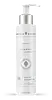
This mild gel makeup remover is made to dissolve makeup, sunscreen, and daily buildup.
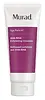
This salicylic acid cream cleanser is formulated around Salicylic Acid to clear breakouts and unclog pores.

What's inside
What's inside
 Key Ingredients
Benefits
Concerns
Ingredients Side-by-side
Citrus Aurantifolia Peel Water
Masking
Glycerin
Humectant


Coco-Glucoside
Cleansing
Decyl Glucoside
Cleansing
Cocamidopropyl Betaine
Cleansing


Xanthan Gum
EmulsifyingHibiscus Sabdariffa Flower Extract
Skin ConditioningLecithin
Emollient
Chamomilla Recutita Flower Extract
Masking

Sclerotium Gum
Emulsion StabilisingCurcuma Longa Root Extract
Antioxidant
Pullulan
Potassium Sorbate
Preservative
Lactic Acid
Buffering






Caprylyl Glycol
Emollient
Ethyl Ether
SolventEthylhexylglycerin
Skin ConditioningCitrus Aurantifolia Peel Water, Glycerin, Coco-Glucoside, Decyl Glucoside, Cocamidopropyl Betaine, Xanthan Gum, Hibiscus Sabdariffa Flower Extract, Lecithin, Chamomilla Recutita Flower Extract, Sclerotium Gum, Curcuma Longa Root Extract, Pullulan, Potassium Sorbate, Lactic Acid, Caprylyl Glycol, Ethyl Ether, Ethylhexylglycerin
Water
Skin ConditioningSodium C14-16 Olefin Sulfonate
Cleansing
Jojoba Esters
Emollient
Cocamidopropyl Betaine
Cleansing
Acrylates Copolymer
Glycol Stearate
Emollient
Propanediol
Solvent
Glycolic Acid
Buffering

Lactic Acid
Buffering
Salicylic Acid
Masking

Dipotassium Glycyrrhizate
Humectant
Sodium Ascorbyl Phosphate
Antioxidant
Sodium PCA
Humectant
Urea
Buffering
Yeast Amino Acids
HumectantTrehalose
Humectant
Inositol
Humectant
Taurine
BufferingBetaine
Humectant
Citric Acid
Buffering
Sodium Hydroxide
BufferingPolyquaternium-4
Sodium Chloride
MaskingTetrasodium Glutamate Diacetate
Tetrasodium EDTA
Leuconostoc/Radish Root Ferment Filtrate
Antimicrobial
Tocopherol
Antioxidant
Ethylhexylglycerin
Skin ConditioningChlorphenesin
Antimicrobial
Sodium Benzoate
Masking
Water, Sodium C14-16 Olefin Sulfonate, Jojoba Esters, Cocamidopropyl Betaine, Acrylates Copolymer, Glycol Stearate, Propanediol, Glycolic Acid, Lactic Acid, Salicylic Acid, Dipotassium Glycyrrhizate, Sodium Ascorbyl Phosphate, Sodium PCA, Urea, Yeast Amino Acids, Trehalose, Inositol, Taurine, Betaine, Citric Acid, Sodium Hydroxide, Polyquaternium-4, Sodium Chloride, Tetrasodium Glutamate Diacetate, Tetrasodium EDTA, Leuconostoc/Radish Root Ferment Filtrate, Tocopherol, Ethylhexylglycerin, Chlorphenesin, Sodium Benzoate
Reviews
Ingredients Explained
These ingredients are found in both products.
Ingredients higher up in an ingredient list are typically present in a larger amount.
Cocamidopropyl Betaine is a fatty acid created by mixing similar compounds in coconut oil and dimethylaminopropylamine, a compound with two amino groups.
This ingredient is a surfactant and cleanser. It helps gather the dirt, pollutants, and other impurities in your skin to be washed away. It also helps thicken a product and make the texture more creamy.
Being created from coconut oil means Cocamidopropyl Betaine is hydrating for the skin.
While Cocamidopropyl Betaine was believed to be an allergen, a study from 2012 disproved this. It found two compounds in unpure Cocamidopropyl Betaine to be the irritants: aminoamide and 3-dimethylaminopropylamine. High-grade and pure Cocamidopropyl Betaine did not induce allergic reactions during this study.
Learn more about Cocamidopropyl BetaineEthylhexylglycerin is created from glycerin. It is a multitasker ingredient that:
The CIR Expert Panel found minimal skin absorption or sensitization of any kind in a safety assessment. Though this ingredient is considered well-tolerated, a small number of cases of allergic dermatitis have been published since 2002. Just be sure to patch test if you are unsure.
Industry-reported use ranges from 8% in rinse-off products and 2% in leave-on formulations.
Learn more about EthylhexylglycerinLactic Acid is another well-loved alpha hydroxy acid (AHA). It is gentler than glycolic acid but still highly effective.
Its main role is to exfoliate the surface of the skin by loosening the “glue” that holds dead skin cells together. Shedding those old cells leads to smoother, softer, and more even-toned skin.
Because lactic acid molecules are larger than glycolic acid, they don’t penetrate as deeply. This means they’re less likely to sting or irritate, making it a great choice for beginners or those with sensitive skin.
Like glycolic acid, it can:
Lactic acid also acts as a humectant (like hyaluronic acid). It can draw water into the skin to improve hydration and also plays a role in the skin's natural moisturizing factor (NMF) in the form of sodium lactate.
Studies show it can boost ceramide production to strengthen the skin barrier and even help balance the skin’s microbiome.
To get results, choose products with a pH between 3-4.
Lower strengths (5-12%) focus on surface exfoliation; higher strengths (12% and up) can reach deeper in the dermis (deeper, supportive layer) to improve skin texture and firmness over time.
Though it was originally derived from milk, most modern lactic acid used in skincare is vegan. It is made through non-dairy fermentation to create a bio-identical and stable form suitable for all formulations.
When lactic acid shows up near the end of an ingredient list, it usually means the brand added just a tiny amount to adjust the product’s pH.
Legend has it that Cleopatra used to bathe in sour milk to help reduce wrinkles.
Lactic acid is truly a gentle multitasker: it exfoliates, hydrates, strengthens, and brightens. It's a great ingredient for giving your skin a smooth, glowing, and healthy look without the harshness of stronger acids.
Read more about some other popular AHA's here:
Learn more about Lactic Acid

