

What's inside
What's inside
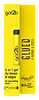 Key Ingredients
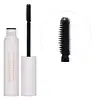
No key ingredients
Benefits
Concerns
Ingredients Side-by-side
Water
Skin ConditioningPvp
Emulsion StabilisingAcrylates/Hydroxyesters Acrylates Copolymer
Acrylates/Steareth-20 Methacrylate Crosspolymer
Aminomethyl Propanol
BufferingPhenoxyethanol
Preservative
PEG-40 Hydrogenated Castor Oil
Emulsifying


Glycerin
Humectant


Parfum
Masking



DMDM Hydantoin
Preservative
Panthenol
Skin Conditioning

Sodium Benzoate
Masking
Benzotriazolyl Dodecyl P-Cresol
UV AbsorberEthylhexylglycerin
Skin ConditioningBenzyl Alcohol
Perfuming

Limonene
Perfuming
CI 60730
Cosmetic ColorantWater, Pvp, Acrylates/Hydroxyesters Acrylates Copolymer, Acrylates/Steareth-20 Methacrylate Crosspolymer, Aminomethyl Propanol, Phenoxyethanol, PEG-40 Hydrogenated Castor Oil, Glycerin, Parfum, DMDM Hydantoin, Panthenol, Sodium Benzoate, Benzotriazolyl Dodecyl P-Cresol, Ethylhexylglycerin, Benzyl Alcohol, Limonene, CI 60730
Water
Skin ConditioningAlcohol Denat.
Antimicrobial
Hydroxyethyl Acrylate/Sodium Acryloyldimethyl Taurate Copolymer
Emulsion StabilisingPolyacrylate-2 Crosspolymer
Glycerin
Humectant
Tromethamine
BufferingSorbitol
Humectant
Acrylates Copolymer
Panthenol
Skin Conditioning
Polysorbate 60
Emulsifying
Sorbitan Isostearate
Emulsifying
Butylene Glycol
Humectant
Citric Acid
Buffering

Allantoin
Skin Conditioning
Ethylhexylglycerin
Skin ConditioningSodium PCA
Humectant
Sodium Lactate
Buffering
Arginine
Masking
Aspartic Acid
Masking
Propylene Glycol
Humectant
PCA
Humectant
Biotin
AntiseborrhoeicPelvetia Canaliculata Extract
Skin Protecting
Laminaria Digitata Extract
Skin Protecting
Glycine
Buffering
Alanine
Masking
Serine
Masking
Threonine
Valine
MaskingIsoleucine
Skin ConditioningProline
Skin Conditioning
Histidine
Humectant
Phenylalanine
Masking
1,2-Hexanediol
Skin Conditioning
Caprylyl Glycol
Emollient
Benzoic Acid
Masking
Myristoyl Pentapeptide-17
Skin Conditioning
Sodium Benzoate
Masking
Phenoxyethanol
Preservative
Water, Alcohol Denat., Hydroxyethyl Acrylate/Sodium Acryloyldimethyl Taurate Copolymer, Polyacrylate-2 Crosspolymer, Glycerin, Tromethamine, Sorbitol, Acrylates Copolymer, Panthenol, Polysorbate 60, Sorbitan Isostearate, Butylene Glycol, Citric Acid, Allantoin, Ethylhexylglycerin, Sodium PCA, Sodium Lactate, Arginine, Aspartic Acid, Propylene Glycol, PCA, Biotin, Pelvetia Canaliculata Extract, Laminaria Digitata Extract, Glycine, Alanine, Serine, Threonine, Valine, Isoleucine, Proline, Histidine, Phenylalanine, 1,2-Hexanediol, Caprylyl Glycol, Benzoic Acid, Myristoyl Pentapeptide-17, Sodium Benzoate, Phenoxyethanol
Reviews
Ingredients Explained
These ingredients are found in both products.
Ingredients higher up in an ingredient list are typically present in a larger amount.
Ethylhexylglycerin is created from glycerin. It is a multitasker ingredient that:
The CIR Expert Panel found minimal skin absorption or sensitization of any kind in a safety assessment. Though this ingredient is considered well-tolerated, a small number of cases of allergic dermatitis have been published since 2002. Just be sure to patch test if you are unsure.
Industry-reported use ranges from 8% in rinse-off products and 2% in leave-on formulations.
Learn more about EthylhexylglycerinGlycerin (or glycerol) is a compound naturally found in your skin. It's a powerhouse humectant that pulls water into the stratum corneum.
Topically, glycerin does several things at once:
Your skin makes glycerin on its own (mostly from sebaceous oil breakdown) and shuttles it to your outermost layer of skin, or your epidermis, via aquaporin-3.
Aquaporin-3 is a transporter that is essential for normal skin hydration, elasticity, and repair. Interestingly, mice lacking in AQP3 have dry and less elastic skin that can be fully corrected with glycerin.
This ingredient is non-irritating, plays well with almost every ingredient, and works across all skin types. Typical use is anywhere between 3-10% but can go up to 79% in some leave-on products.
Just know very high concentrations (>40%) can feel tacky in low humidity.
Glycerin is the name for this ingredient in American English. British English uses Glycerol/Glycerine.
Learn more about GlycerinPanthenol is a common ingredient that helps hydrate and soothe the skin. It is found naturally in our skin and hair.
There are two forms of panthenol: D and L.
D-panthenol is also known as dexpanthenol. Most cosmetics use dexpanthenol or a mixture of D and L-panthenol.
Panthenol is famous due to its ability to go deeper into the skin's layers. Using this ingredient has numerous pros (and no cons):
Like hyaluronic acid, panthenol is a humectant. Humectants are able to bind and hold large amounts of water to keep skin hydrated.
This ingredient works well for wound healing. It works by increasing tissue in the wound and helps close open wounds.
Once oxidized, panthenol converts to pantothenic acid. Panthothenic acid is found in all living cells.
This ingredient is also referred to as pro-vitamin B5.
Learn more about PanthenolPhenoxyethanol is one of the most widely used preservatives in skincare (and for good reason!).
It has a large spectrum of antimicrobial activity and especially effective bacteria, yeast, and mold while only having a weak effect on your skin's natural microbiome.
On a cellular level, it disrupts the cell membranes of microbes by poking holes that make the cell leak. This shuts down the chemical reactions the microbe needs to make energy so it can no longer survive.
Another perk of this ingredient is that it stays functional across a wide pH range (3-10).
You'll often see it paired with boosters like Ethylhexylglycerin; one study showed that a 1:9 ratio of Ethylhexylglycerin to Phenoxyethanol damages bacterial membranes as effectively as doubling the Phenoxyethanol concentration on its own.
Typical use concentrations range from 0.3-1% depending on the formula, and this ingredient is capped at 1% int the EU.
Safety-wise, the fear mongering does not hold up to the evidence. The EU's Scientific Committee on Consumer Safety and FDA consider it safe as a preservative at up to 1%, including for children of all ages.
Adverse systemic effects only showed up in animal studies at exposures roughly 200x higher than what people get from cosmetics. And despite its very widespread use, this ingredient is a rare sensitizer and allergic reactions are uncommon.
Learn more about PhenoxyethanolSodium Benzoate is a preservative. It's used in both cosmetic and food products to inhibit the growth of mold and bacteria. It is typically produced synthetically.
Both the US FDA and EU Health Committee have approved the use of sodium benzoate. In the US, levels of 0.1% (of the total product) are allowed.
Sodium benzoate works as a preservative by inhibiting the growth of bacteria inside of cells. It prevents the cell from fermenting a type of sugar using an enzyme called phosphofructokinase.
It is the salt of benzoic acid. Foods containing sodium benzoate include soda, salad dressings, condiments, fruit juices, wines, and snack foods.
Studies for using ascorbic acid and sodium benzoate in cosmetics are lacking, especially in skincare routines with multiple steps.
We always recommend speaking with a professional, such as a dermatologist, if you have any concerns.
Learn more about Sodium BenzoateWater. It's the most common cosmetic ingredient of all. You'll usually see it at the top of ingredient lists, meaning that it makes up the largest part of the product.
So why is it so popular? Water most often acts as a solvent - this means that it helps dissolve other ingredients into the formulation.
You'll also recognize water as that liquid we all need to stay alive. If you see this, drink a glass of water. Remember to stay hydrated!
Learn more about Water

