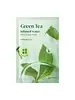
This calming sheet mask is formulated around Allantoin and Camellia Sinensis Leaf Extract to calm redness and hydrate skin.
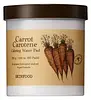
This calming toner pad uses a pre-saturated pad with Daucus Carota Sativa Root Extract and Beta-Glucan to calm redness and hydrate skin.

What's inside
What's inside
 Key Ingredients
Benefits
Concerns
Ingredients Side-by-side
Water
Skin ConditioningButylene Glycol
Humectant

Dipropylene Glycol
Humectant1,2-Hexanediol
Skin Conditioning
Hydroxyacetophenone
Antioxidant
Polyglyceryl-10 Laurate
Skin Conditioning

Carbomer
Emulsion StabilisingArginine
Masking
Allantoin
Skin Conditioning

Camellia Sinensis Leaf Extract
Antimicrobial



Disodium EDTA
ChelatingHydroxyethylcellulose
Emulsion StabilisingXanthan Gum
EmulsifyingOlea Europaea Fruit Oil
Masking



Citrus Aurantium Dulcis Oil
Masking
Biosaccharide Gum-1
Humectant
Citrus Aurantium Bergamia Fruit Oil
Masking

Copaifera Officinalis Resin
MaskingCymbopogon Martini Oil
Masking
Lavandula Hybrida Oil
Emollient
Ethylhexylglycerin
Skin ConditioningSalvia Sclarea Oil
Masking
Limonene
Perfuming
Water, Butylene Glycol, Dipropylene Glycol, 1,2-Hexanediol, Hydroxyacetophenone, Polyglyceryl-10 Laurate, Carbomer, Arginine, Allantoin, Camellia Sinensis Leaf Extract, Disodium EDTA, Hydroxyethylcellulose, Xanthan Gum, Olea Europaea Fruit Oil, Citrus Aurantium Dulcis Oil, Biosaccharide Gum-1, Citrus Aurantium Bergamia Fruit Oil, Copaifera Officinalis Resin, Cymbopogon Martini Oil, Lavandula Hybrida Oil, Ethylhexylglycerin, Salvia Sclarea Oil, Limonene
Water
Skin ConditioningDaucus Carota Sativa Root Extract
Skin Conditioning
Glycerin
Humectant
Butylene Glycol
Humectant
Beta-Glucan
Skin Conditioning
1,2-Hexanediol
Skin Conditioning
Undaria Pinnatifida Extract
Skin ConditioningSodium Hyaluronate
Humectant
Citric Acid
Buffering
Sodium Phytate
ChelatingAllantoin
Skin Conditioning
Sodium Citrate
BufferingHydroxyethylcellulose
Emulsion StabilisingMaltodextrin
Absorbent
C12-14 Pareth-12
EmulsifyingSaccharide Hydrolysate
HumectantDaucus Carota Sativa Seed Oil
Emollient
Olea Europaea Fruit Oil
Masking
Pogostemon Cablin Leaf Oil
Masking
Lavandula Hybrida Oil
Emollient
Salvia Officinalis Oil
Masking
Artemisia Vulgaris Oil
Perfuming
Citrus Aurantium Dulcis Peel Oil
Masking
Ethylhexylglycerin
Skin ConditioningWater, Daucus Carota Sativa Root Extract, Glycerin, Butylene Glycol, Beta-Glucan, 1,2-Hexanediol, Undaria Pinnatifida Extract, Sodium Hyaluronate, Citric Acid, Sodium Phytate, Allantoin, Sodium Citrate, Hydroxyethylcellulose, Maltodextrin, C12-14 Pareth-12, Saccharide Hydrolysate, Daucus Carota Sativa Seed Oil, Olea Europaea Fruit Oil, Pogostemon Cablin Leaf Oil, Lavandula Hybrida Oil, Salvia Officinalis Oil, Artemisia Vulgaris Oil, Citrus Aurantium Dulcis Peel Oil, Ethylhexylglycerin
Reviews
Ingredients Explained
These ingredients are found in both products.
Ingredients higher up in an ingredient list are typically present in a larger amount.
1,2-Hexanediol is a synthetic liquid and another multi-functional powerhouse.
It is a:
- Humectant, drawing moisture into the skin
- Emollient, helping to soften skin
- Solvent, dispersing and stabilizing formulas
- Preservative booster, enhancing the antimicrobial activity of other preservatives
Allantoin is a soothing ingredient known for its protective and moisturizing properties; it's basically a quiet workhorse ingredient you can find in a huge range of cosmetics.
Though it can be derived from the comfrey plant, allantoin is produced synthetically for cosmetic products to ensure purity.
Research shows it can encourage your skin cells to turn over and renew by stimulating keratinocyte and fibroblast proliferation.
It also has mild keratolytic properties to help loosen and shed dead skin cells without being harsh.
Studies also suggest allantoin can help calm inflammation by dialing down some of the chemical signals your skin sends out when it is irritated.
This ingredient is typically used in the 0.1-0.5% range, and the FDA recognizes it as a skin protectant in OTC products up to 2%.
Overall, allantoin is a wonderful addition to most routines; it is stable across a wide pH range (~4-8), works well with other ingredients, and is considered non-sensitizing/non-irritating.
Fun fact: Allantoin is naturally occurring in comfrey root, beets, chamomile, and wheat sprouts. Our bodies even produce it as a byproduct of uric acid metabolism.
Learn more about AllantoinButylene Glycol (or BG) is used within cosmetic products for a few different reasons:
Overall, Butylene Glycol is a safe and well-rounded ingredient that works well with other ingredients.
Though this ingredient works well with most skin types, some people with sensitive skin may experience a reaction such as allergic rashes, closed comedones, or itchiness.
Learn more about Butylene GlycolEthylhexylglycerin is created from glycerin. It is a multitasker ingredient that:
The CIR Expert Panel found minimal skin absorption or sensitization of any kind in a safety assessment. Though this ingredient is considered well-tolerated, a small number of cases of allergic dermatitis have been published since 2002. Just be sure to patch test if you are unsure.
Industry-reported use ranges from 8% in rinse-off products and 2% in leave-on formulations.
Learn more about EthylhexylglycerinHydroxyethylcellulose is used to improve the texture of products. It is created from a chemical reaction involving ethylene oxide and alkali-cellulose. Cellulose is a sugar found in plant cell walls and help give plants structure.
This ingredient helps stabilize products by preventing ingredients from separating. It can also help thicken the texture of a product.
This ingredient can also be found in pill medicines to help our bodies digest other ingredients.
Learn more about HydroxyethylcelluloseLavandula Hybrida Oil is an oil.
This ingredient is also known as olive oil. It has been used in skincare for centuries and science largely backs up its reputation as a nourishing emollient.
The main components of olive oil are oleic acid (55-83%), linoleic acid (3.5-20%), and palmitic acid (7-20%). Oleic acid promotes skin regeneration and helps regulate inflammatory responses.
Squalene is also naturally present in olive oil and exhibits moisturizing and antioxidant properties.
The polyphenols in olive oil also show anti-aging promise; one clinical study found a measurable improvement in skin appearance after 30 days of topical serum use.
Just be aware that applying olive oil directly to skin can weaken the barrier and cause redness. One study with volunteers found even people without sensitive skin experienced a significant reduction in stratum corneum integrity and induced mild erythema.
It's best to use this ingredient as part of a carefully crafted formula (instead of putting it on skin directly from the bottle).
Because it has a 0-2 on the comedogenic scale, it is low risk for acne-prone skin. Just remember the overall formulation of a product matters more than a few ingredients with comedogenic ratings.
This ingredient may not be fungal acne safe because of the oleic and palmitic acid content. These fall within the C11-24 fatty acid range that the Malassezia yeast can metabolize to grow.
Overall, olive oil is a well-studied and nourishing skincare ingredient.
Learn more about Olea Europaea Fruit OilWater. It's the most common cosmetic ingredient of all. You'll usually see it at the top of ingredient lists, meaning that it makes up the largest part of the product.
So why is it so popular? Water most often acts as a solvent - this means that it helps dissolve other ingredients into the formulation.
You'll also recognize water as that liquid we all need to stay alive. If you see this, drink a glass of water. Remember to stay hydrated!
Learn more about Water

