
What's inside
What's inside
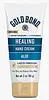 Key Ingredients
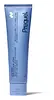
Benefits
Concerns
Ingredients Side-by-side
Water
Skin ConditioningHydroxyethyl Urea
Humectant
Glycerin
Humectant

Stearyl Alcohol
Emollient


Dimethicone
Emollient
Petrolatum
Emollient


Aloe Barbadensis Leaf Juice
Skin Conditioning

Glyceryl Stearate
Emollient
Cetearyl Alcohol
Emollient


Steareth-21
CleansingJojoba Esters
Emollient
Tocopheryl Acetate
Antioxidant


Magnesium Ascorbyl Phosphate
Antioxidant



Niacinamide
Smoothing



Panthenol
Skin Conditioning
Distearyldimonium Chloride
Stearamidopropyl Pg-Dimonium Chloride Phosphate
Ceramide Ng
Skin Conditioning
Polysorbate 60
Emulsifying
Methyl Gluceth-20
Humectant
Behentrimonium Methosulfate
SurfactantPropylene Glycol
Humectant
Ethylhexylglycerin
Skin ConditioningCetyl Alcohol
Emollient
Hydrolyzed Jojoba Esters
Skin Conditioning
Hydroxyacetophenone
Antioxidant
Silk Amino Acids
HumectantPotassium Hydroxide
BufferingC12-15 Alkyl Benzoate
AntimicrobialTribehenin
Emollient
Butylene Glycol
Humectant
Citric Acid
Buffering
PEG-10 Phytosterol
EmulsifyingParfum
Masking

EDTA
ChelatingPalmitoyl Hexapeptide-12
Skin Conditioning
Water, Hydroxyethyl Urea, Glycerin, Stearyl Alcohol, Dimethicone, Petrolatum, Aloe Barbadensis Leaf Juice, Glyceryl Stearate, Cetearyl Alcohol, Steareth-21, Jojoba Esters, Tocopheryl Acetate, Magnesium Ascorbyl Phosphate, Niacinamide, Panthenol, Distearyldimonium Chloride, Stearamidopropyl Pg-Dimonium Chloride Phosphate, Ceramide Ng, Polysorbate 60, Methyl Gluceth-20, Behentrimonium Methosulfate, Propylene Glycol, Ethylhexylglycerin, Cetyl Alcohol, Hydrolyzed Jojoba Esters, Hydroxyacetophenone, Silk Amino Acids, Potassium Hydroxide, C12-15 Alkyl Benzoate, Tribehenin, Butylene Glycol, Citric Acid, PEG-10 Phytosterol, Parfum, EDTA, Palmitoyl Hexapeptide-12
Water
Skin ConditioningIsopropyl Myristate
Emollient
Glycerin
Humectant
Dimethicone
Emollient
Cetyl Alcohol
Emollient
Stearic Acid
Cleansing
Glyceryl Oleate
Emollient
Vp/Eicosene Copolymer
Glycolipids
Skin ConditioningGlycine Soja Sterols
Emollient
Sodium Hyaluronate
Humectant
Coco-Glucoside
Cleansing
Hydroxypropyl Methylcellulose
Emulsion StabilisingSteareth-21
CleansingXanthan Gum
EmulsifyingStearyl Alcohol
Emollient
Phenoxyethanol
Preservative
Sodium Hydroxide
BufferingEthylhexylglycerin
Skin ConditioningSodium Chloride
MaskingPhytic Acid
Chelating
Water, Isopropyl Myristate, Glycerin, Dimethicone, Cetyl Alcohol, Stearic Acid, Glyceryl Oleate, Vp/Eicosene Copolymer, Glycolipids, Glycine Soja Sterols, Sodium Hyaluronate, Coco-Glucoside, Hydroxypropyl Methylcellulose, Steareth-21, Xanthan Gum, Stearyl Alcohol, Phenoxyethanol, Sodium Hydroxide, Ethylhexylglycerin, Sodium Chloride, Phytic Acid
Reviews
Ingredients Explained
These ingredients are found in both products.
Ingredients higher up in an ingredient list are typically present in a larger amount.
Cetyl Alcohol is a fatty alcohol. Fatty Alcohols are most often used as an emollient or to thicken a product.
Its main roles are:
Though it has "alcohol" in the name, it is not related to denatured alcohol or ethyl alcohol.
The FDA allows products labeled "alcohol-free" to have fatty alcohols.
This ingredient may not be fungal acne safe. It is a primary fatty alcohol with a chain length above 12 carbons. A study from 2019 show Malassezia can feed on fatty alcohols in this range, so it may trigger fungal acne in those prone to it.
Learn more about Cetyl AlcoholDimethicone is a type of synthetic silicone created from natural materials such as quartz. It is also known as polydimethylsiloxane.
What it does:
Dimethicone comes in different viscosities:
Depending on the viscosity, dimethicone has different properties.
Ingredients lists don't always show which type is used, so we recommend reaching out to the brand if you have questions about the viscosity.
This ingredient is unlikely to cause irritation because it does not get absorbed into skin. However, people with silicone allergies should be careful about using this ingredient.
Note: Dimethicone may contribute to pilling. This is because it is not oil or water soluble, so pilling may occur when layered with products. When mixed with heavy oils in a formula, the outcome is also quite greasy.
Learn more about DimethiconeEthylhexylglycerin is created from glycerin. It is a multitasker ingredient that:
The CIR Expert Panel found minimal skin absorption or sensitization of any kind in a safety assessment. Though this ingredient is considered well-tolerated, a small number of cases of allergic dermatitis have been published since 2002. Just be sure to patch test if you are unsure.
Industry-reported use ranges from 8% in rinse-off products and 2% in leave-on formulations.
Learn more about EthylhexylglycerinGlycerin (or glycerol) is a compound naturally found in your skin. It's a powerhouse humectant that pulls water into the stratum corneum.
Topically, glycerin does several things at once:
Your skin makes glycerin on its own (mostly from sebaceous oil breakdown) and shuttles it to your outermost layer of skin, or your epidermis, via aquaporin-3.
Aquaporin-3 is a transporter that is essential for normal skin hydration, elasticity, and repair. Interestingly, mice lacking in AQP3 have dry and less elastic skin that can be fully corrected with glycerin.
This ingredient is non-irritating, plays well with almost every ingredient, and works across all skin types. Typical use is anywhere between 3-10% but can go up to 79% in some leave-on products.
Just know very high concentrations (>40%) can feel tacky in low humidity.
Glycerin is the name for this ingredient in American English. British English uses Glycerol/Glycerine.
Learn more about GlycerinSteareth-21 is a nonionic emulsifier made by reacting stearyl alcohol with 21 units of ethylene oxide. It is mainly a cleansing agent and emulsifier.
The "21" in the name just tells you it has a longer water-loving chain. This makes it more gentle and less likely to irritate skin compared to lower-numbered steareths.
You'll most likely see it paired with steareth-2 because the two work together to create stable formulations.
1,4-dioxane is often brought up as a concern but this is usually removed through purification.
Learn more about Steareth-21Stearyl Alcohol is a type of fatty alcohol from stearic acid. It is a white, waxy compound used to emulsify ingredients used as an emollient or to thicken a product.
Emollients help soothe and hydrate the skin by trapping moisture.
Fatty alcohols are usually derived from natural fats and oils and therefore do not have the same drying or irritating effect as solvent (ethanol) alcohols.
The FDA allows products labeled "alcohol-free" to have fatty alcohols.
This ingredient may not be fungal acne safe. It is a primary fatty alcohol with a chain length above 12 carbons. A study from 2019 show Malassezia can feed on fatty alcohols in this range, so it may trigger fungal acne in those prone to it.
Learn more about Stearyl AlcoholWater. It's the most common cosmetic ingredient of all. You'll usually see it at the top of ingredient lists, meaning that it makes up the largest part of the product.
So why is it so popular? Water most often acts as a solvent - this means that it helps dissolve other ingredients into the formulation.
You'll also recognize water as that liquid we all need to stay alive. If you see this, drink a glass of water. Remember to stay hydrated!
Learn more about Water

