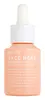
This hydrating oil is formulated around Simmondsia Chinensis Seed Oil and Oenothera Biennis Oil to hydrate skin and strengthen the skin barrier.
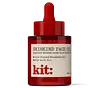
This hydrating oil is formulated around Prunus Amygdalus Dulcis Oil and Squalane to hydrate skin and strengthen the skin barrier.

What's inside
What's inside
 Key Ingredients
No key ingredients
Benefits
Concerns
Ingredients Side-by-side
Prunus Amygdalus Dulcis Oil
Skin Conditioning





Simmondsia Chinensis Seed Oil
Emollient

Macadamia Integrifolia Seed Oil
Skin Conditioning
Bertholletia Excelsa Seed Oil
Emollient
Prunus Armeniaca Kernel Oil
Masking
Oenothera Biennis Oil
Emollient

Mauritia Flexuosa Fruit Oil
Skin Conditioning
Rosa Canina Fruit Oil
Emollient
Parfum
Masking


Citrus Aurantium Amara Leaf/Twig Oil
Masking
Pelargonium Graveolens Oil
Masking

Arnica Montana Flower Extract
Masking
Actinidia Chinensis Seed Oil
Emollient
Tocopherol
Antioxidant




Calendula Officinalis Flower Extract
Masking
Helianthus Annuus Seed Oil
Emollient
Totarol
Antioxidant
Rosmarinus Officinalis Leaf Extract
AntimicrobialPrunus Amygdalus Dulcis Oil, Simmondsia Chinensis Seed Oil, Macadamia Integrifolia Seed Oil, Bertholletia Excelsa Seed Oil, Prunus Armeniaca Kernel Oil, Oenothera Biennis Oil, Mauritia Flexuosa Fruit Oil, Rosa Canina Fruit Oil, Parfum, Citrus Aurantium Amara Leaf/Twig Oil, Pelargonium Graveolens Oil, Arnica Montana Flower Extract, Actinidia Chinensis Seed Oil, Tocopherol, Calendula Officinalis Flower Extract, Helianthus Annuus Seed Oil, Totarol, Rosmarinus Officinalis Leaf Extract
Prunus Amygdalus Dulcis Oil
Skin Conditioning
Macadamia Ternifolia Seed Oil
Emollient
Squalane
Emollient
Simmondsia Chinensis Seed Oil
Emollient
Dicaprylyl Carbonate
EmollientIsopropyl Myristate
Emollient
Triethylhexanoin
MaskingParfum
Masking
Hippophae Rhamnoides Fruit Oil
Skin Protecting
Ocimum Basilicum Oil
Masking
Amyris Balsamifera Bark Oil
Masking
Juniperus Virginiana Oil
Masking
Eucalyptus Globulus Leaf Oil
Perfuming
Lavandula Hybrida Oil
Emollient
Lavandula Angustifolia Oil
Masking
Commiphora Myrrha Gum Oil
Perfuming
Opoponax Oil
Masking
Pogostemon Cablin Leaf Oil
Masking
Rosmarinus Officinalis Leaf Oil
Masking
Mentha Viridis Leaf Oil
Astringent
Vetiveria Zizanoides Root Oil
Masking
Linalool
Perfuming
Coumarin
Perfuming
Limonene
Perfuming
Citral
Perfuming
Geraniol
Perfuming
Prunus Amygdalus Dulcis Oil, Macadamia Ternifolia Seed Oil, Squalane, Simmondsia Chinensis Seed Oil, Dicaprylyl Carbonate, Isopropyl Myristate, Triethylhexanoin, Parfum, Hippophae Rhamnoides Fruit Oil, Ocimum Basilicum Oil, Amyris Balsamifera Bark Oil, Juniperus Virginiana Oil, Eucalyptus Globulus Leaf Oil, Lavandula Hybrida Oil, Lavandula Angustifolia Oil, Commiphora Myrrha Gum Oil, Opoponax Oil, Pogostemon Cablin Leaf Oil, Rosmarinus Officinalis Leaf Oil, Mentha Viridis Leaf Oil, Vetiveria Zizanoides Root Oil, Linalool, Coumarin, Limonene, Citral, Geraniol
Reviews
Ingredients Explained
These ingredients are found in both products.
Ingredients higher up in an ingredient list are typically present in a larger amount.
Parfum is a catch-all term for an ingredient or more that is used to give a scent to products.
Also called "fragrance", this ingredient can be a blend of hundreds of chemicals or plant oils. This means every product with "fragrance" or "parfum" in the ingredients list is a different mixture.
For instance, Habanolide is a proprietary trade name for a specific aroma chemical. When used as a fragrance ingredient in cosmetics, most aroma chemicals fall under the broad labeling category of “FRAGRANCE” or “PARFUM” according to EU and US regulations.
The term 'parfum' or 'fragrance' is not regulated in many countries. In many cases, it is up to the brand to define this term.
For instance, many brands choose to label themselves as "fragrance-free" because they are not using synthetic fragrances. However, their products may still contain ingredients such as essential oils that are considered a fragrance by INCI standards.
One example is Calendula flower extract. Calendula is an essential oil that still imparts a scent or 'fragrance'.
Depending on the blend, the ingredients in the mixture can cause allergies and sensitivities on the skin. Some ingredients that are known EU allergens include linalool and citronellol.
Parfum can also be used to mask or cover an unpleasant scent.
The bottom line is: not all fragrances/parfum/ingredients are created equally. If you are worried about fragrances, we recommend taking a closer look at an ingredient. And of course, we always recommend speaking with a professional.
Learn more about ParfumThis ingredient is also known as sweet almond oil. It is a lightweight, cold-pressed oil from the ripe seeds of the sweet almond tree.
Sweet almond oil is rich in skin-nourishing fatty acids such as oleic acid (55-86%) and linolenic acid (7-35%).
As an emollient, it softens and hydrates skin by forming a thin barrier that locks in moisture.
Clinical studies have found it to be non-irritating and non-sensitizing. The CIR Expert Panel has evaluated the available safety data and concluded it is safe for topical use.
Because of the oleic acid content, this ingredient may not be fungal acne safe.
This ingredient does have a comedogenic rating of 3, but this doesn't mean a formula with this ingredient will clog pores.
Human testing has proved that any finished product with a comedogenic ingredient won't automatically make you break out; it really comes down to concentration, formula, and your skin.
Learn more about Prunus Amygdalus Dulcis OilJojoba oil is one of the most well-studied plant-derived ingredients in cosmetics. It is an emollient with a special structure.
Because it is made up of 97-98% wax esters, it closely mirrors the linear monoesters found in human sebum. This makes it skin compatible, non-greasy, and lightweight.
Unlike other plant oils, jojoba wax doesn't easily penetrate skin. It mostly works in the uppermost layers as an emollient. This just means it forms a light barrier on the skin to help retain moisture.
Formulations with jojoba esters up to 90% reduced transepidermal water loss (TEWL) and increased barrier recovery by 81% (outperforming bisabolol at 47%).
Besides barrier support, the science also suggests jojoba to have anti-inflammatory effects and potential applications for skin infections, aging, and wound healing.
Fun fact: Indigenous cultures have used jojoba as a moisturizer and to help treat burns for centuries.
Fungal acne: The Malassezia yeast is known to metabolize fatty acids in the C11-24 range and jojoba's dominant fatty acid components fall into this range. This ingredient may not be fungal acne safe.
Learn more about Simmondsia Chinensis Seed Oil

