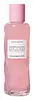
This pore-care toner is formulated around Citrullus Lanatus Fruit Extract and Gluconolactone to refine the look of pores and brighten dull-looking skin.
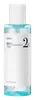
This smoothing toner is formulated around Salicylic Acid and Salix Alba Bark Extract to refine skin texture and clear breakouts.


What's inside
What's inside
 Key Ingredients
Benefits
Concerns
Ingredients Side-by-side
Opuntia Ficus-Indica Extract
Skin Conditioning
Citrullus Lanatus Fruit Extract
Skin Conditioning
Glycerin
Humectant

Hyaluronic Acid
Humectant

Gluconolactone
Skin Conditioning





Sodium Polyglutamate
HumectantBetaine Salicylate
Antimicrobial


Salix Alba Bark Extract
Astringent
Melaleuca Alternifolia Leaf Extract
Perfuming
Hibiscus Sabdariffa Flower Extract
Skin ConditioningLactobacillus/Watermelon Fruit Ferment Extract
Skin ConditioningCucumis Sativus Fruit Extract
Emollient
Saccharum Officinarum Extract
MoisturisingGlycyrrhiza Glabra Root Extract
Bleaching
Scutellaria Baicalensis Root Extract
Astringent
Paeonia Suffruticosa Root Extract
Skin ProtectingBrassica Oleracea Capitata Leaf Extract
Skin ConditioningIpomoea Batatas Root Extract
Skin ConditioningSorbitan Oleate
Emulsifying


Levulinic Acid
Perfuming
Sodium Levulinate
Skin ConditioningParfum
Masking
Opuntia Ficus-Indica Extract, Citrullus Lanatus Fruit Extract, Glycerin, Hyaluronic Acid, Gluconolactone, Sodium Polyglutamate, Betaine Salicylate, Salix Alba Bark Extract, Melaleuca Alternifolia Leaf Extract, Hibiscus Sabdariffa Flower Extract, Lactobacillus/Watermelon Fruit Ferment Extract, Cucumis Sativus Fruit Extract, Saccharum Officinarum Extract, Glycyrrhiza Glabra Root Extract, Scutellaria Baicalensis Root Extract, Paeonia Suffruticosa Root Extract, Brassica Oleracea Capitata Leaf Extract, Ipomoea Batatas Root Extract, Sorbitan Oleate, Levulinic Acid, Sodium Levulinate, Parfum
Water
Skin ConditioningDipropylene Glycol
Humectant1,2-Hexanediol
Skin Conditioning
Salicylic Acid
Masking

C12-14 Pareth-12
EmulsifyingOctyldodeceth-16
EmulsifyingMelaleuca Alternifolia Leaf Extract
Perfuming
Pentylene Glycol
Skin Conditioning
Salix Alba Bark Extract
Astringent
Oenothera Biennis Flower Extract
AstringentUlmus Davidiana Root Extract
Skin Conditioning
Pinus Palustris Leaf Extract
TonicPueraria Lobata Root Extract
HumectantCentella Asiatica Extract
Cleansing
Ficus Carica Fruit Extract
Humectant
Hydrogenated Lecithin
Emulsifying
Sodium Hyaluronate
Humectant
Sodium Citrate
BufferingCitric Acid
Buffering
Xanthan Gum
EmulsifyingDisodium EDTA
Tocopherol
Antioxidant

Ceramide NP
Skin Conditioning
Butylene Glycol
Humectant
Dimethylsilanol Hyaluronate
Humectant
Hydrolyzed Sodium Hyaluronate
Skin Conditioning
Hydrolyzed Hyaluronic Acid
Humectant
Potassium Hyaluronate
Skin ConditioningHyaluronic Acid
Humectant
Sodium Hyaluronate Crosspolymer
Humectant
Hydroxypropyltrimonium Hyaluronate
Sodium Hyaluronate Dimethylsilanol
HumectantSodium Acetylated Hyaluronate
Humectant
Ethylhexylglycerin
Skin ConditioningWater, Dipropylene Glycol, 1,2-Hexanediol, Salicylic Acid, C12-14 Pareth-12, Octyldodeceth-16, Melaleuca Alternifolia Leaf Extract, Pentylene Glycol, Salix Alba Bark Extract, Oenothera Biennis Flower Extract, Ulmus Davidiana Root Extract, Pinus Palustris Leaf Extract, Pueraria Lobata Root Extract, Centella Asiatica Extract, Ficus Carica Fruit Extract, Hydrogenated Lecithin, Sodium Hyaluronate, Sodium Citrate, Citric Acid, Xanthan Gum, Disodium EDTA, Tocopherol, Ceramide NP, Butylene Glycol, Dimethylsilanol Hyaluronate, Hydrolyzed Sodium Hyaluronate, Hydrolyzed Hyaluronic Acid, Potassium Hyaluronate, Hyaluronic Acid, Sodium Hyaluronate Crosspolymer, Hydroxypropyltrimonium Hyaluronate, Sodium Hyaluronate Dimethylsilanol, Sodium Acetylated Hyaluronate, Ethylhexylglycerin
Reviews
Ingredients Explained
These ingredients are found in both products.
Ingredients higher up in an ingredient list are typically present in a larger amount.
Hyaluronic acid (HA) is a glycosaminoglycan (basically a long sugar chain) that your skin already makes on its own. In your skin, HA lives in the extracellular matrix and acts as the body's moisture reservoir.
Topically, HA is a humectant that binds water and helps skin look more plump, smooth, and hydrated.
The only catch is that HA isn't a single thing; it actually comes in a wide range of molecular weights (~50 - 2,000+ kDA) and size matters.
Some clinical evidence links low molecular weight versions to improved wrinkle depth, elasticity, anti-inflammatory effects, and barrier repair.
This is why the best HA serums blend the two sizes together so you get the best of both worlds.
The majority of cosmetic HA is produced by bacterial fermentation, typically using Streptococcus or Bacillus strains. Typical use levels in skincare sit around 0.1-2%.
A clinical study using a 0.2% low-molecular weight HA gel showed improvement in facial seborrheic dermatitis with excellent tolerance.
These are some other common types of Hyaluronic Acid:
Learn more about Hyaluronic AcidMelaleuca Alternifolia Leaf Extract comes from the Tea Tree, Melaleuca alternifolia, Myrtaceae. This tea tree is native to Australia.
Tea Leaf extract contains antimicrobial and anti-acne properties.
This ingredient has perfuming properties and contains linalool and limonene. These fragrance and terpinen components can cause skin sensitivity.
Learn more about the benefits of Tea Tree Oil here.
Learn more about Melaleuca Alternifolia Leaf ExtractSalix Alba Bark Extract comes from the bark of the white willow tree. The official CosIng listing states this ingredient to have astringent, skin conditioning, soothing, and tonic properties.
Its star compound is salicin, a natural glucoside that is chemically related to salicylic acid. That's why you'll often see it marketed as a "natural BHA alternative" but that's a bit of a stretch.
Your skin can't convert salicin to salicylic acid because it needs specific enzymes that aren't present on the skin's surface. It won't behave like true salicylic acid, especially at the concentrations used in cosmetics.
However, this ingredient has its own perks. It contains flavonoids, polyphenols, and tannins that give it proven antioxidant and soothing properties.
An 8-week clinical study found a cream with 2% of this extract improved skin microcirculation, elasticity, and dark circles. This is most likely due to its role in increasing hyaluronic acid synthesis in fibroblasts and improved vascular integrity.
Another study found a topical serum with 0.5% salicin showed improvements in visible signs of aging, hyperpigmentation, and texture.
Just be careful if you have a known aspirin/salicylate allergy and be sure to consult with a medical professional about using this ingredient if you do.
Fun fact: Willow Bark extract has been used for thousands of years and ancient civilizations used white willow to help treat pain and fevers.
Learn more about Salix Alba Bark Extract

