
What's inside
What's inside
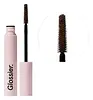 Key Ingredients
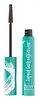
Benefits
Concerns
Ingredients Side-by-side
Water
Skin ConditioningAcrylates Copolymer
Pullulan
Synthetic Beeswax
Emulsion Stabilising

Palmitic Acid
Emollient



Butylene Glycol
Humectant
Stearic Acid
Cleansing
Behenyl Alcohol
Emollient
Kaolin
Abrasive



Euphorbia Cerifera Cera
Astringent
Bentonite
Absorbent
Rayon
Aminomethyl Propanediol
BufferingCaprylyl Glycol
Emollient
Copernicia Cerifera Cera
Emollient
Biotinoyl Tripeptide-1

Panthenol
Skin Conditioning

Glycerin
Humectant
Glyceryl Caprylate
EmollientVp/Va Copolymer
Bambusa Arundinacea Stem Powder
Abrasive
Propanediol
Solvent
Sodium C14-16 Olefin Sulfonate
Cleansing
Silica
Abrasive
1,2-Hexanediol
Skin Conditioning
CI 77266
Cosmetic ColorantCI 77491
Cosmetic ColorantCI 77492
Cosmetic ColorantCI 77499
Cosmetic ColorantWater, Acrylates Copolymer, Pullulan, Synthetic Beeswax, Palmitic Acid, Butylene Glycol, Stearic Acid, Behenyl Alcohol, Kaolin, Euphorbia Cerifera Cera, Bentonite, Rayon, Aminomethyl Propanediol, Caprylyl Glycol, Copernicia Cerifera Cera, Biotinoyl Tripeptide-1, Panthenol, Glycerin, Glyceryl Caprylate, Vp/Va Copolymer, Bambusa Arundinacea Stem Powder, Propanediol, Sodium C14-16 Olefin Sulfonate, Silica, 1,2-Hexanediol, CI 77266, CI 77491, CI 77492, CI 77499
Water
Skin ConditioningAcrylates/Ethylhexyl Acrylate Copolymer
Alcohol Denat.
Antimicrobial

Glyceryl Stearate Se
Emulsifying
Glycerin
Humectant
Dimethicone
Emollient
Vp/Eicosene Copolymer
Copernicia Cerifera Cera
Emollient
Stearic Acid
Cleansing
Butyrospermum Parkii Butter
Skin Conditioning
Ricinus Communis Seed Oil
Masking

Tromethamine
BufferingPalmitic Acid
Emollient
Phenoxyethanol
Preservative
Laureth-21
CleansingPvp
Emulsion StabilisingXanthan Gum
EmulsifyingSodium Dehydroacetate
Preservative
Methylglucamine
Ethylhexylglycerin
Skin ConditioningTrisodium Ethylenediamine Disuccinate
Panthenol
Skin Conditioning
Neofinetia Falcata Callus Culture Extract
Skin ConditioningSodium Hyaluronate
Humectant

Lecithin
Emollient
CI 77491
Cosmetic ColorantCI 77492
Cosmetic ColorantCI 77499
Cosmetic ColorantWater, Acrylates/Ethylhexyl Acrylate Copolymer, Alcohol Denat., Glyceryl Stearate Se, Glycerin, Dimethicone, Vp/Eicosene Copolymer, Copernicia Cerifera Cera, Stearic Acid, Butyrospermum Parkii Butter, Ricinus Communis Seed Oil, Tromethamine, Palmitic Acid, Phenoxyethanol, Laureth-21, Pvp, Xanthan Gum, Sodium Dehydroacetate, Methylglucamine, Ethylhexylglycerin, Trisodium Ethylenediamine Disuccinate, Panthenol, Neofinetia Falcata Callus Culture Extract, Sodium Hyaluronate, Lecithin, CI 77491, CI 77492, CI 77499
Reviews
Ingredients Explained
These ingredients are found in both products.
Ingredients higher up in an ingredient list are typically present in a larger amount.
Ci 77491 is also hydrated iron III oxide. It's sole purpose is to give a red/pink hue to products.
Iron III oxides are classified as inorganic chemicals for coloring.
Synthetically created Ci 77491 is considered safer than those naturally found. This is because the synthetically created version may contain less impurities. Iron oxides are generally non-toxic and non-allergenic.
Learn more about CI 77491CI 77492 is also hydrated iron III oxide. It's sole purpose is to give a yellow hue to products.
Iron III oxides are classified as inorganic chemicals for coloring.
Synthetically created CI 77492 is considered safer than those naturally found. This is because the synthetically created version may contain less impurities. Iron oxides are generally non-toxic and non-allergenic.
Learn more about CI 77492Ci 77499 is also hydrated iron III oxide. It is created from mixing red and black iron oxides. This helps give shades of darkness to a product.
Iron III oxides are classified as inorganic chemicals for coloring.
This ingredient comes from a palm tree native to Brazil. This ingredient is used to thicken texture and leaves behind a film when applied.
Glycerin (or glycerol) is a compound naturally found in your skin. It's a powerhouse humectant that pulls water into the stratum corneum.
Topically, glycerin does several things at once:
Your skin makes glycerin on its own (mostly from sebaceous oil breakdown) and shuttles it to your outermost layer of skin, or your epidermis, via aquaporin-3.
Aquaporin-3 is a transporter that is essential for normal skin hydration, elasticity, and repair. Interestingly, mice lacking in AQP3 have dry and less elastic skin that can be fully corrected with glycerin.
This ingredient is non-irritating, plays well with almost every ingredient, and works across all skin types. Typical use is anywhere between 3-10% but can go up to 79% in some leave-on products.
Just know very high concentrations (>40%) can feel tacky in low humidity.
Glycerin is the name for this ingredient in American English. British English uses Glycerol/Glycerine.
Learn more about GlycerinPalmitic Acid is a fatty acid naturally found in our skin and in many plant and animal sources.
In cosmetics, it is usually derived from palm oil. It serves many purposes in skincare, acting as a cleanser, emollient, and emulsifier.
Interestingly, topically applied Palmitic Acid can be elongated into longer chain fatty acids and ceramides. A 2019 study found low levels of Palmitic Acid lead to slower development of cells, suggesting it plays a role in keeping your skin's renewal process on track.
The CIR (Cosmetic Ingredient Review) panel determined it safe as used in cosmetics at concentrations up to 13%. It is non-irritating and non-sensitizing in clinical studies.
The culprit behind fungal acne, the Malassezia yeast, feeds on fatty acids with carbon chain lengths between C11-C24. Palmitic Acid, at C16, falls right into that sweet spot.
In vitro studies have shown that Palmitic Acid is one of the fatty acids that induce rapid Malassezia growth in lab settings.
It's worth noting that what feeds yeast in a lab doesn't necessarily feed it on your face since formulation and your skin's chemistry play a bigger role.
Learn more about Palmitic AcidPanthenol is a common ingredient that helps hydrate and soothe the skin. It is found naturally in our skin and hair.
There are two forms of panthenol: D and L.
D-panthenol is also known as dexpanthenol. Most cosmetics use dexpanthenol or a mixture of D and L-panthenol.
Panthenol is famous due to its ability to go deeper into the skin's layers. Using this ingredient has numerous pros (and no cons):
Like hyaluronic acid, panthenol is a humectant. Humectants are able to bind and hold large amounts of water to keep skin hydrated.
This ingredient works well for wound healing. It works by increasing tissue in the wound and helps close open wounds.
Once oxidized, panthenol converts to pantothenic acid. Panthothenic acid is found in all living cells.
This ingredient is also referred to as pro-vitamin B5.
Learn more about PanthenolStearic Acid is a fatty acid that is already found in your skin. It's one of the free fatty acids that works alongside ceramides and cholesterols to maintain your barrier.
In cosmetics, it is a multitasker:
Safety-wise, the CIR Expert Panel has concluded it to be safe in cosmetics when formulated to be non-irritating and non-sensitizing.
Free stearic acid is a C18 fatty acid that the Malassezia yeast can substrate, so this ingredient may not be fungal acne safe.
Learn more about Stearic AcidWater. It's the most common cosmetic ingredient of all. You'll usually see it at the top of ingredient lists, meaning that it makes up the largest part of the product.
So why is it so popular? Water most often acts as a solvent - this means that it helps dissolve other ingredients into the formulation.
You'll also recognize water as that liquid we all need to stay alive. If you see this, drink a glass of water. Remember to stay hydrated!
Learn more about Water

