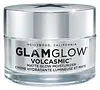
This moisturizer is formulated around Opuntia Ficus-Indica Stem Extract to calm irritation.
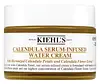
This calming moisturizer is formulated around Panthenol and Calendula Officinalis Flower Extract to calm redness and hydrate skin.

What's inside
What's inside
 Key Ingredients
Benefits
Concerns
Ingredients Side-by-side
Water
Skin ConditioningCyclopentasiloxane
Emollient
Ceresin
Emulsion StabilisingGlycerin
Humectant


Dimethicone
Emollient
PEG-10 Dimethicone
Skin Conditioning
Propanediol
Solvent
Volcanic Sand
Skin ConditioningSolanum Lycopersicum Leaf Cell Culture Extract
Skin ConditioningDaphne Odora Callus Extract
Skin ProtectingOpuntia Ficus-Indica Callus Culture Extract
Antioxidant
Opuntia Ficus-Indica Stem Extract
Skin Conditioning
Ethylhexylglycerin
Skin ConditioningC12-15 Alkyl Benzoate
AntimicrobialBenzyl Benzoate
Antimicrobial



Silica
Abrasive


Sorbitan Olivate
Emulsifying

Panthenol
Skin Conditioning
Distearyldimonium Chloride
Disteardimonium Hectorite
StabilisingSodium Chloride
MaskingCaprylyl Glycol
Emollient
Cetyl Alcohol
Emollient
Parfum
Masking
Citral
Perfuming
Linalool
Perfuming
Limonene
Perfuming
Disodium EDTA
ChelatingPhenoxyethanol
Preservative
Water, Cyclopentasiloxane, Ceresin, Glycerin, Dimethicone, PEG-10 Dimethicone, Propanediol, Volcanic Sand, Solanum Lycopersicum Leaf Cell Culture Extract, Daphne Odora Callus Extract, Opuntia Ficus-Indica Callus Culture Extract, Opuntia Ficus-Indica Stem Extract, Ethylhexylglycerin, C12-15 Alkyl Benzoate, Benzyl Benzoate, Silica, Sorbitan Olivate, Panthenol, Distearyldimonium Chloride, Disteardimonium Hectorite, Sodium Chloride, Caprylyl Glycol, Cetyl Alcohol, Parfum, Citral, Linalool, Limonene, Disodium EDTA, Phenoxyethanol
Water
Skin ConditioningDimethicone
Emollient
Glycerin
Humectant
Propylene Glycol
Humectant
Propanediol
Solvent
Panthenol
Skin Conditioning
Dimethicone/PEG-10/15 Crosspolymer
Bisabolol
Antioxidant
Diisopropyl Sebacate
EmollientSodium Chloride
MaskingPhenoxyethanol
Preservative
Polymethylsilsesquioxane
Chlorphenesin
Antimicrobial
Citrus Limon Peel Oil
Masking


Sodium Citrate
BufferingCalendula Officinalis Flower Extract
Masking
Limonene
Perfuming
PEG-10 Dimethicone
Skin Conditioning
Trisodium Ethylenediamine Disuccinate
ChelatingCalendula Officinalis Flower
Skin Conditioning
Citric Acid
Buffering

Dipropylene Glycol
HumectantGeranium Maculatum Oil
Masking
Chamomilla Recutita Flower Oil
Masking
Citral
Perfuming
Citronellol
Perfuming
Geraniol
Perfuming
Farnesol
Perfuming
Linalool
Perfuming
Tocopherol
Antioxidant


Cymbopogon Schoenanthus Oil
Masking
Artemisia Absinthium Extract
Skin ConditioningWater, Dimethicone, Glycerin, Propylene Glycol, Propanediol, Panthenol, Dimethicone/PEG-10/15 Crosspolymer, Bisabolol, Diisopropyl Sebacate, Sodium Chloride, Phenoxyethanol, Polymethylsilsesquioxane, Chlorphenesin, Citrus Limon Peel Oil, Sodium Citrate, Calendula Officinalis Flower Extract, Limonene, PEG-10 Dimethicone, Trisodium Ethylenediamine Disuccinate, Calendula Officinalis Flower, Citric Acid, Dipropylene Glycol, Geranium Maculatum Oil, Chamomilla Recutita Flower Oil, Citral, Citronellol, Geraniol, Farnesol, Linalool, Tocopherol, Cymbopogon Schoenanthus Oil, Artemisia Absinthium Extract
Reviews
Ingredients Explained
These ingredients are found in both products.
Ingredients higher up in an ingredient list are typically present in a larger amount.
Citral is the molecule responsible for the fresh lemon scent in lemon, lime, and lemongrass. It is a fragrance ingredient that can be created from plant essential oils or synthetically.
Though Citral has documented antimicrobial activity against acne bacteria (which is where the marketing claims about it being good for acne-prone skin originate), real formulas use it at fragrance-level concentrations under 1% so there's likely no skin benefit.
You should know this ingredient is a known EU fragrance allergen.
Animal studies classifies this ingredient as a weak-to-moderate skin sensitizer and clinical patch testing on eczema patients confirmed it to be both a contact allergen and irritant.
The term 'citral' is a collective term for two geometric isomers: geranial/Citral A and neral/Citral B.
The term 'fragrance' is not regulated in many countries. In many cases, it is up to the brand to define this term. For instance, many brands choose to label themselves as "fragrance-free" because they are not using synthetic fragrances. However, their products may still contain ingredients such as essential oils that are considered a fragrance.
Learn more about CitralDimethicone is a type of synthetic silicone created from natural materials such as quartz. It is also known as polydimethylsiloxane.
What it does:
Dimethicone comes in different viscosities:
Depending on the viscosity, dimethicone has different properties.
Ingredients lists don't always show which type is used, so we recommend reaching out to the brand if you have questions about the viscosity.
This ingredient is unlikely to cause irritation because it does not get absorbed into skin. However, people with silicone allergies should be careful about using this ingredient.
Note: Dimethicone may contribute to pilling. This is because it is not oil or water soluble, so pilling may occur when layered with products. When mixed with heavy oils in a formula, the outcome is also quite greasy.
Learn more about DimethiconeGlycerin (or glycerol) is a compound naturally found in your skin. It's a powerhouse humectant that pulls water into the stratum corneum.
Topically, glycerin does several things at once:
Your skin makes glycerin on its own (mostly from sebaceous oil breakdown) and shuttles it to your outermost layer of skin, or your epidermis, via aquaporin-3.
Aquaporin-3 is a transporter that is essential for normal skin hydration, elasticity, and repair. Interestingly, mice lacking in AQP3 have dry and less elastic skin that can be fully corrected with glycerin.
This ingredient is non-irritating, plays well with almost every ingredient, and works across all skin types. Typical use is anywhere between 3-10% but can go up to 79% in some leave-on products.
Just know very high concentrations (>40%) can feel tacky in low humidity.
Glycerin is the name for this ingredient in American English. British English uses Glycerol/Glycerine.
Learn more about GlycerinLimonene is the compound that gives citrus peel its smell.
In skincare, it shows up as a standalone fragrance ingredient or as a natural compound of citrus and other essential oils.
You'll typically see this ingredient used in very small amounts; anything above 0.001% in a leave-on product or 0.01% in a rinse-off has to be named on the label in the EU. The citrus oils that carry it sit around 0.5-1% in a finished formula.
Fresh limonene is a weak allergen; the real issue is that it slowly reacts with air and then breaks down from oxidation to create hydroperoxides (which are strong sensitizers). This is why suppliers are required to keep the peroxide value below 20 mmol.
Positive reactions in people being investigated for eczema vary:
It's worth skipping if you have a known fragrance allergy or a compromised barrier, but the risk is low for most people.
Older or long-opened products are also more likely to bother you than fresh ones due to oxidation.
Learn more about LimoneneLinalool is a small, naturally occurring scent molecule found in plants like lavender, coriander, bergamot, and more.
It is one of the two most-used fragrance ingredients in cosmetics and added purely for smell. Since it's not used for a skin benefit, there's no "effective dose". Concentration depends on the fragrance load of the product.
The EU requires it to be named on the label above 0.001% in leave-on and 0.01% in rinse-off products.
Fresh linalool is a weak sensitizer but air exposure turns some of it into hydroperoxides, which are strong sensitizers. Those oxidation products are the actual allergy concern.
Patch-test clinics see positive reactions to linalool hydroperoxides in about 4% to 12% of dermatitis patients depending on country and test concentration.
Resassuringly, one analytical study found hydroperoxide levels in real fragranced products to be orders of magnitude below what induced sensitization in animal studies with no evidence of oxidation building up during normal storage.
The practical takeaway is that linalool is fine for most people but worth avoiding if you have a confirmed fragrance contact allergy or a badly compromised barrier.
Products stored a long time after opening are also the high-risk scenario since that is when oxidation happens.
The scent of linalool is described as floral, spicy tropical, and citrus-like.
Learn more about LinaloolPanthenol is a common ingredient that helps hydrate and soothe the skin. It is found naturally in our skin and hair.
There are two forms of panthenol: D and L.
D-panthenol is also known as dexpanthenol. Most cosmetics use dexpanthenol or a mixture of D and L-panthenol.
Panthenol is famous due to its ability to go deeper into the skin's layers. Using this ingredient has numerous pros (and no cons):
Like hyaluronic acid, panthenol is a humectant. Humectants are able to bind and hold large amounts of water to keep skin hydrated.
This ingredient works well for wound healing. It works by increasing tissue in the wound and helps close open wounds.
Once oxidized, panthenol converts to pantothenic acid. Panthothenic acid is found in all living cells.
This ingredient is also referred to as pro-vitamin B5.
Learn more about PanthenolPeg-10 Dimethicone is silicone with conditioner and emulsifier properties. It mostly acts as an emollient in skincare and and humectant in haircare.
According to the manufacturer, acidic formulations decrease the stability of this ingredient. It works best in neutral or near neutral formulations.
Phenoxyethanol is one of the most widely used preservatives in skincare (and for good reason!).
It has a large spectrum of antimicrobial activity and especially effective bacteria, yeast, and mold while only having a weak effect on your skin's natural microbiome.
On a cellular level, it disrupts the cell membranes of microbes by poking holes that make the cell leak. This shuts down the chemical reactions the microbe needs to make energy so it can no longer survive.
Another perk of this ingredient is that it stays functional across a wide pH range (3-10).
You'll often see it paired with boosters like Ethylhexylglycerin; one study showed that a 1:9 ratio of Ethylhexylglycerin to Phenoxyethanol damages bacterial membranes as effectively as doubling the Phenoxyethanol concentration on its own.
Typical use concentrations range from 0.3-1% depending on the formula, and this ingredient is capped at 1% int the EU.
Safety-wise, the fear mongering does not hold up to the evidence. The EU's Scientific Committee on Consumer Safety and FDA consider it safe as a preservative at up to 1%, including for children of all ages.
Adverse systemic effects only showed up in animal studies at exposures roughly 200x higher than what people get from cosmetics. And despite its very widespread use, this ingredient is a rare sensitizer and allergic reactions are uncommon.
Learn more about PhenoxyethanolPropanediol is an all-star ingredient. It softens, hydrates, and smooths the skin.
It’s often used to:
Propanediol is not likely to cause sensitivity and considered safe to use. It is derived from corn or petroleum with a clear color and no scent.
Learn more about PropanediolChances are, you eat sodium chloride every day. Sodium Chloride is also known as table salt. This ingredient has many purposes in skincare: thickener, emulsifier, and exfoliator.
You'll most likely find this ingredient in cleansers where it is used to create a gel-like texture. As an emulsifier, it also prevents ingredients from separating.
You might see people debate whether Sodium Chloride is comedogenic, but there actually haven't been any comedogenic tests done on it. Either way, the overall formulation of a product matters a lot more than any single ingredient.
You might see this ingredient used in scrubs as a primary exfoliating ingredient.
Learn more about Sodium ChlorideWater. It's the most common cosmetic ingredient of all. You'll usually see it at the top of ingredient lists, meaning that it makes up the largest part of the product.
So why is it so popular? Water most often acts as a solvent - this means that it helps dissolve other ingredients into the formulation.
You'll also recognize water as that liquid we all need to stay alive. If you see this, drink a glass of water. Remember to stay hydrated!
Learn more about Water

