This mild gel cleanser is made to cleanse while respecting your skin barrier.

What's inside
What's inside
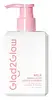 Key Ingredients
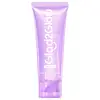
Benefits
Concerns
No concerns
Ingredients Side-by-side
Water
Skin ConditioningPotassium Palm Kernelate
CleansingPotassium Cocoate
Emulsifying


Potassium Cocoyl Glycinate
Surfactant
Sodium Cocoyl Glycinate
Cleansing
Lauryl Hydroxysultaine
CleansingMilk Protein Extract
Glycol Distearate
Emollient

Niacinamide
Smoothing











Arginine
Masking
Ceramide EOP
Skin Conditioning
Ceramide Ns
Skin Conditioning
Ceramide NP
Skin Conditioning
Ceramide As
Skin Conditioning
Ceramide AP
Skin Conditioning
Propylene Glycol
Humectant
Potassium Palmitate
EmulsifyingSodium Methyl Lauroyl Taurate
CleansingSodium Chloride
MaskingHydroxypropyl Methylcellulose
Emulsion StabilisingPolyquaternium-43
Polyquaternium-7
Stearic Acid
Cleansing
Hydroxystearic Acid
Cleansing
Methylparaben
Preservative


Propylparaben
Preservative
Sodium Benzoate
Masking
Aroma


Water, Potassium Palm Kernelate, Potassium Cocoate, Potassium Cocoyl Glycinate, Sodium Cocoyl Glycinate, Lauryl Hydroxysultaine, Milk Protein Extract, Glycol Distearate, Niacinamide, Arginine, Ceramide EOP, Ceramide Ns, Ceramide NP, Ceramide As, Ceramide AP, Propylene Glycol, Potassium Palmitate, Sodium Methyl Lauroyl Taurate, Sodium Chloride, Hydroxypropyl Methylcellulose, Polyquaternium-43, Polyquaternium-7, Stearic Acid, Hydroxystearic Acid, Methylparaben, Propylparaben, Sodium Benzoate, Aroma
Water
Skin ConditioningDisodium Cocoyl Glutamate
Cleansing
Acrylates/Steareth-20 Methacrylate Crosspolymer
Sodium Cocoyl Alaninate
Surfactant
Hydrogenated Starch Hydrolysate
HumectantLauryl Hydroxysultaine
CleansingDecyl Glucoside
Cleansing
Sodium Cocoamphoacetate
CleansingDisodium Cocoamphodiacetate
CleansingCaprylyl Glycol
Emollient
Hydroxyacetophenone
Antioxidant
Sodium Cocoyl Glycinate
Cleansing
Sodium Taurine Cocoyl Methyltaurate
Cleansing
Sodium Taurine Laurate
CleansingErythritol
Humectant
Sodium Chloride
MaskingCitric Acid
Buffering
Vaccinium Angustifolium Fruit Extract
Skin Protecting
Centella Asiatica Leaf Extract
Skin Conditioning
Ceramide NP
Skin Conditioning
Ceramide Ns
Skin Conditioning
Ceramide As
Skin Conditioning
Ceramide EOP
Skin Conditioning
Ceramide AP
Skin Conditioning
Aroma
Disodium EDTA
ChelatingGlycosyl Trehalose
Emulsion StabilisingMaltodextrin
Absorbent
Glycerin
Humectant
Butylene Glycol
Humectant
Hydrogenated Lecithin
Emulsifying
Sodium Benzoate
Masking
Water, Disodium Cocoyl Glutamate, Acrylates/Steareth-20 Methacrylate Crosspolymer, Sodium Cocoyl Alaninate, Hydrogenated Starch Hydrolysate, Lauryl Hydroxysultaine, Decyl Glucoside, Sodium Cocoamphoacetate, Disodium Cocoamphodiacetate, Caprylyl Glycol, Hydroxyacetophenone, Sodium Cocoyl Glycinate, Sodium Taurine Cocoyl Methyltaurate, Sodium Taurine Laurate, Erythritol, Sodium Chloride, Citric Acid, Vaccinium Angustifolium Fruit Extract, Centella Asiatica Leaf Extract, Ceramide NP, Ceramide Ns, Ceramide As, Ceramide EOP, Ceramide AP, Aroma, Disodium EDTA, Glycosyl Trehalose, Maltodextrin, Glycerin, Butylene Glycol, Hydrogenated Lecithin, Sodium Benzoate
Reviews
Ingredients Explained
These ingredients are found in both products.
Ingredients higher up in an ingredient list are typically present in a larger amount.
Aroma refers to an ingredient, or mixture of ingredients, that impart or mask a flavor.
The name is slightly confusing. This is because INCI associates aroma with flavor instead of smell.
Here is the official definition from the The International Cosmetic Ingredient Dictionary and Handbook:
“Aroma is a term for ingredient labeling used to identify that a product contains a material or combination of materials normally added to a cosmetic to produce or to mask a particular flavor.”
INCI shows the only purpose of aroma to be "flavouring".
However, due to regulation differences, some companies may use aroma in place of parfum.
In Canada, this ingredient only has to be listed in concentrations above 1%.
Learn more about AromaCeramide AP is is a skin-identical lipid that mimics what your skin already makes naturally. Ceramides help maintain epidermal integrity and barrier function.
You'll often see this ingredient paired with other ceramides (like ceramide NP), cholesterol, or fatty acids because this combination best mimics the natural lipid mix your skin already has.
The skin's ability to produce ceramides gets disrupted in skin conditions like eczema. This in turn weakens the skin barrier and applying ceramides topically has been shown to replenish what's been lost to restore barrier function.
Most of the studies with Ceramide AP test it as part of a multi-ceramide complex; studies reinforce ceramide AP's role in rebalancing ceramides in skin and improving skin hydration.
Learn more about Ceramide APCeramide AS is formally known as Ceramides 4 and 5.
Ceramides are intercellular lipids naturally found in our skin that bonds dead skin cells together to create a barrier. They are known for their ability to hold water and thus are a great ingredient for dry skin.
Ceramide EOP is formally known as Ceramide 1.
It is naturally found in skin and part of the intercellular "mortar" holding everything together in your outermost layer.
EOP stands for a linked Ester fatty acid, a linked Omega hydroxy fatty acid, and the Phytosphingosine base.
What makes Ceramide EOP special is its ultra-long fatty acid chain; this unique structure allows it to bridge the lipid layers in your skin barrier to prevent water loss (something no other ceramide can do).
Low levels of Ceramide EOP have been found in people with eczema and psoriasis.
Using it together with other ceramides, cholesterol, and linoleic acid have been shown to meaningfully improve hydration and reduce water loss.
In one clinical study, a regimen using Ceramide EOP, NP, and AP led to significant symptom improvements in patients with eczema, psoriasis, and dry skin in just 4 weeks.
You'll usually see concentrations between 0.1-0.5% in formulations. Overall, this is a well-tolerated and safe ingredient for cosmetic use.
Learn more about Ceramide EOPCeramide NP (formerly known as Ceramide 3) is one of the skin's naturally occurring lipids.
Since ceramides are the major lipid components of the skin, they are crucial for maintaining skin barrier and hydration. Ceramide NP most closely mirrors the dominant kind in human skin amongst ceramide subtypes.
This ceramide works by slotting into gaps within the stratum corneum's lipid matrix to limit trans-epidermal water loss (TEWL) and shield the skin against external irritants.
A study with 312 patients found that using a ceramide-containing routine for 4 weeks reduced the severity of atopic dermatitis by over 61%.
Another clinical study in subjects aged 60 and older found that a ceramide body wash and moisturizer improved skin dryness and itchy skin in 15 days.
Overall, ceramides are considered non-irritating and safety tests have found little to no observable adverse effects from using this ingredient.
Ceramide NP is usually sourced from plants (like soybean or rice bran), or produced synthetically.
Learn more about Ceramide NPCeramide NS is formally known as Ceramide 2. It is one of the major ceramides in the stratum corneum (outermost layer of skin) plays a role in forming a protective barrier.
Due to its structure, skin lipids can be packed tightly and in turn, this strengthens the barrier and reduces water loss.
Studies show conditions like atopic dermatitis can worsen when ceramide NS levels are low.
Learn more about Ceramide NsLauryl Hydroxysultaine is a mild surfactant or cleansing ingredient that helps lift away dirt/oil, boost foam, and thicken the formula. It plays nicely with other surfactants and stays stable across a wide pH range.
Sodium Benzoate is a preservative. It's used in both cosmetic and food products to inhibit the growth of mold and bacteria. It is typically produced synthetically.
Both the US FDA and EU Health Committee have approved the use of sodium benzoate. In the US, levels of 0.1% (of the total product) are allowed.
Sodium benzoate works as a preservative by inhibiting the growth of bacteria inside of cells. It prevents the cell from fermenting a type of sugar using an enzyme called phosphofructokinase.
It is the salt of benzoic acid. Foods containing sodium benzoate include soda, salad dressings, condiments, fruit juices, wines, and snack foods.
Studies for using ascorbic acid and sodium benzoate in cosmetics are lacking, especially in skincare routines with multiple steps.
We always recommend speaking with a professional, such as a dermatologist, if you have any concerns.
Learn more about Sodium BenzoateChances are, you eat sodium chloride every day. Sodium Chloride is also known as table salt. This ingredient has many purposes in skincare: thickener, emulsifier, and exfoliator.
You'll most likely find this ingredient in cleansers where it is used to create a gel-like texture. As an emulsifier, it also prevents ingredients from separating.
You might see people debate whether Sodium Chloride is comedogenic, but there actually haven't been any comedogenic tests done on it. Either way, the overall formulation of a product matters a lot more than any single ingredient.
You might see this ingredient used in scrubs as a primary exfoliating ingredient.
Learn more about Sodium ChlorideSodium Cocoyl Glycinate is a cleansing agent. It can be naturally derived or synthetically-created.
As a surfactant, it helps clean your skin by gathering dirt, oil, and other pollutants to be rinsed away more easily.
Water. It's the most common cosmetic ingredient of all. You'll usually see it at the top of ingredient lists, meaning that it makes up the largest part of the product.
So why is it so popular? Water most often acts as a solvent - this means that it helps dissolve other ingredients into the formulation.
You'll also recognize water as that liquid we all need to stay alive. If you see this, drink a glass of water. Remember to stay hydrated!
Learn more about Water

