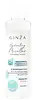
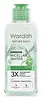
This mild micellar makeup remover is made to dissolve makeup, sunscreen, and daily buildup.
This mild micellar makeup remover is made to dissolve makeup, sunscreen, and daily buildup.

What's inside
What's inside
 Key Ingredients
Benefits
Concerns
Ingredients Side-by-side





Water
Skin ConditioningPEG-7 Glyceryl Cocoate
Emulsifying




Hexylene Glycol
EmulsifyingNiacinamide
Smoothing











Propanediol
Solvent
Mannitol
Humectant
Panthenol
Skin Conditioning
Phenoxyethanol
Preservative
Glycerin
Humectant
Allantoin
Skin Conditioning
Xylitol
Humectant
Propylene Glycol
Humectant
Cetrimonium Bromide
Antimicrobial
Olive Oil PEG-7 Esters
Emollient

Cucumis Sativus Fruit Extract
Emollient
Aloe Barbadensis Leaf Extract
Emollient
Ethylhexylglycerin
Skin ConditioningUlva Lactuca Extract
Skin ConditioningBiosaccharide Gum-2
Skin ConditioningTetrasodium EDTA
ChelatingPotassium Sorbate
Preservative
Sodium Benzoate
Masking
Water, PEG-7 Glyceryl Cocoate, Hexylene Glycol, Niacinamide, Propanediol, Mannitol, Panthenol, Phenoxyethanol, Glycerin, Allantoin, Xylitol, Propylene Glycol, Cetrimonium Bromide, Olive Oil PEG-7 Esters, Cucumis Sativus Fruit Extract, Aloe Barbadensis Leaf Extract, Ethylhexylglycerin, Ulva Lactuca Extract, Biosaccharide Gum-2, Tetrasodium EDTA, Potassium Sorbate, Sodium Benzoate
Reviews
Ingredients Explained
These ingredients are found in both products.
Ingredients higher up in an ingredient list are typically present in a larger amount.
Glycerin (or glycerol) is a compound naturally found in your skin. It's a powerhouse humectant that pulls water into the stratum corneum.
Topically, glycerin does several things at once:
Your skin makes glycerin on its own (mostly from sebaceous oil breakdown) and shuttles it to your outermost layer of skin, or your epidermis, via aquaporin-3.
Aquaporin-3 is a transporter that is essential for normal skin hydration, elasticity, and repair. Interestingly, mice lacking in AQP3 have dry and less elastic skin that can be fully corrected with glycerin.
This ingredient is non-irritating, plays well with almost every ingredient, and works across all skin types. Typical use is anywhere between 3-10% but can go up to 79% in some leave-on products.
Just know very high concentrations (>40%) can feel tacky in low humidity.
Glycerin is the name for this ingredient in American English. British English uses Glycerol/Glycerine.
Learn more about GlycerinHexylene Glycol is a multitasker ingredient that works as a solvent, humectant, emulsifier, viscosity reducer, and preservative booster.
It is able to dissolve both water and oil-soluble ingredients to stabilize tricky actives and make products spread more easily.
As a humectant, it pulls water into the skin. But it's a pretty minor moisturizing ingredient compared to other humectants, like glycerin.
Interestingly, it can act as a mild penetration enhancer. One in vitro study on human skin found a 12% concentration upped the absorption of mometasone furoate (a medicinal ingredient used to treat inflammatory skin conditions) up to 7%.
This ingredient is typically used at levels of 0.1-10% depending on the role it's playing.
A patch test study on eczema patients didn't find a significant increase in irritation versus the control group, but the potential for irritation rises at higher concentrations.
Learn more about Hexylene GlycolTetrasodium EDTA is the salt formed from neutralizing ethylenediamine tetraacetic acid with sodium hydroxide. It is a chelating agent and used to prevent metal ions from binding to other ingredients. This helps keep the product and ingredients stable.
Tetrasodium EDTA comes as a white solid and is soluble in water.


