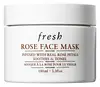
This wash off mask is made with Rosa Damascena Flower Water and Aloe Barbadensis Leaf Juice for a rinse-off hydration boost.
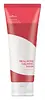
This wash off mask is made with Rosa Damascena Flower Water and Sodium Hyaluronate for a rinse-off calming boost.


What's inside
What's inside
 Key Ingredients
Benefits
Concerns
Ingredients Side-by-side
Water
Skin ConditioningGlycerin
Humectant


Butylene Glycol
Humectant
Pentylene Glycol
Skin Conditioning
Polyglyceryl-10 Laurate
Skin Conditioning

1,2-Hexanediol
Skin Conditioning
Rosa Centifolia Flower
MaskingRosa Damascena Flower Water
Masking

Rosa Damascena Extract
MaskingAloe Barbadensis Leaf Juice
Skin Conditioning
Rosa Damascena Flower Extract
Masking
Cucumis Sativus Fruit Extract
Emollient
Rosa Damascena Flower Oil
Masking



Carbomer
Emulsion StabilisingSodium Hydroxide
BufferingCaprylic/Capric Triglyceride
Masking
Glyceryl Acrylate/Acrylic Acid Copolymer
HumectantSodium Hyaluronate
Humectant

Propanediol
Solvent
Caramel
Cosmetic ColorantTrisodium Ethylenediamine Disuccinate
ChelatingParfum
Masking

Caprylyl Glycol
Emollient
Citric Acid
Buffering

Sodium Benzoate
Masking
Potassium Sorbate
Preservative
Chlorphenesin
Antimicrobial
Water, Glycerin, Butylene Glycol, Pentylene Glycol, Polyglyceryl-10 Laurate, 1,2-Hexanediol, Rosa Centifolia Flower, Rosa Damascena Flower Water, Rosa Damascena Extract, Aloe Barbadensis Leaf Juice, Rosa Damascena Flower Extract, Cucumis Sativus Fruit Extract, Rosa Damascena Flower Oil, Carbomer, Sodium Hydroxide, Caprylic/Capric Triglyceride, Glyceryl Acrylate/Acrylic Acid Copolymer, Sodium Hyaluronate, Propanediol, Caramel, Trisodium Ethylenediamine Disuccinate, Parfum, Caprylyl Glycol, Citric Acid, Sodium Benzoate, Potassium Sorbate, Chlorphenesin
Rosa Damascena Flower Water
Masking
Glycerin
Humectant
Water
Skin ConditioningMethylpropanediol
SolventBetaine
Humectant
1,2-Hexanediol
Skin Conditioning
Sodium Hyaluronate
Humectant
Trehalose
Humectant
Dextrin
AbsorbentRosa Gallica Flower Powder
Skin ConditioningGlyceryl Polymethacrylate
Glycine
Buffering
Serine
Masking
Sodium PCA
Humectant
Sorbitol
Humectant
Alanine
Masking
Arginine
Masking
Threonine
Proline
Skin Conditioning
Glutamic Acid
Humectant
Lysine
Skin ConditioningRosa Canina Fruit Oil
Emollient
Phellodendron Amurense Bark Extract
Skin ConditioningTheobroma Cacao Seed Extract
Antioxidant
Polyglyceryl-10 Laurate
Skin Conditioning
Geranium Maculatum Oil
Masking
Tromethamine
BufferingXanthan Gum
EmulsifyingCarbomer
Emulsion StabilisingEthylhexylglycerin
Skin ConditioningDisodium EDTA
ChelatingRosa Damascena Flower Water, Glycerin, Water, Methylpropanediol, Betaine, 1,2-Hexanediol, Sodium Hyaluronate, Trehalose, Dextrin, Rosa Gallica Flower Powder, Glyceryl Polymethacrylate, Glycine, Serine, Sodium PCA, Sorbitol, Alanine, Arginine, Threonine, Proline, Glutamic Acid, Lysine, Rosa Canina Fruit Oil, Phellodendron Amurense Bark Extract, Theobroma Cacao Seed Extract, Polyglyceryl-10 Laurate, Geranium Maculatum Oil, Tromethamine, Xanthan Gum, Carbomer, Ethylhexylglycerin, Disodium EDTA
Reviews
Ingredients Explained
These ingredients are found in both products.
Ingredients higher up in an ingredient list are typically present in a larger amount.
1,2-Hexanediol is a synthetic liquid and another multi-functional powerhouse.
It is a:
- Humectant, drawing moisture into the skin
- Emollient, helping to soften skin
- Solvent, dispersing and stabilizing formulas
- Preservative booster, enhancing the antimicrobial activity of other preservatives
Carbomer is a synthetic thickening and gelling agent. It's basically the ingredient that gives a lot of serums, gels, creams, and sunscreens their smooth, non-sticky texture.
Although legally permitted at very high levels, carbomers are normally used at concentrations below 1%.
It also needs to be neutralized to actually thicken, and because it is a large molecule, it doesn't really penetrate the skin barrier.
Allergy-wise, the risk is very low. Clinical studies show carbomers have low potential for skin irritation/sensitization even at concentrations up to 100%.
A 2024 UK study patch-tested 1,302 patients and found true allergy to the parent group of carbomer to be rare with no confirmed relevant reactions.
Learn more about CarbomerGlycerin (or glycerol) is a compound naturally found in your skin. It's a powerhouse humectant that pulls water into the stratum corneum.
Topically, glycerin does several things at once:
Your skin makes glycerin on its own (mostly from sebaceous oil breakdown) and shuttles it to your outermost layer of skin, or your epidermis, via aquaporin-3.
Aquaporin-3 is a transporter that is essential for normal skin hydration, elasticity, and repair. Interestingly, mice lacking in AQP3 have dry and less elastic skin that can be fully corrected with glycerin.
This ingredient is non-irritating, plays well with almost every ingredient, and works across all skin types. Typical use is anywhere between 3-10% but can go up to 79% in some leave-on products.
Just know very high concentrations (>40%) can feel tacky in low humidity.
Glycerin is the name for this ingredient in American English. British English uses Glycerol/Glycerine.
Learn more about GlycerinPolyglyceryl-10 Laurate is a cleansing agent and emulsifier.
It rounds up dirt, oil, and grime, so they can be rinsed off easily as a cleanser.
On the emulsifier side, it keeps your formula smooth and well-mixed by playing peacekeeper for ingredients that don't naturally get along (like oil and water).
Because it has a C12 (lauric acid) fatty acid chain, this ingredient can potentially feed the Malassezia yeast that causes fungal acne. The Malassezia yeast prefers esters with C11-C24 fatty acids.
This ingredient is an ester of lauric acid and Polyglycerin-10.
Learn more about Polyglyceryl-10 LaurateRosa Damascena Flower Water is the water-based byproduct of steam-distilling damask rose petals. It has skin conditioning, masking, and skin protecting properties.
Research shows that Rosa damascena is rich in flavonoids and phenolic compounds like gallic acid that contribute to its antioxidant activity.
In vitro studies have shown that Rosa damascena can scavenge free radicals and reduce melanin overproduction. Research has also found this extract offers some degree of UV absorption but this should not replace your sunscreen.
Learn more about Rosa Damascena Flower WaterSodium Hyaluronate is the salt form of hyaluronic acid. It is a long sugar chain that is naturally found in your skin, joints, and connective tissue that maintains hydration and elasticity.
In skincare, it works as a humectant. It pulls water from the environment and deeper layers of skin and binds it to the surface.
Interestingly, the size of the molecule affects its behavior:
Some clinical evidence links low molecular weight versions to improved wrinkle depth, elasticity, anti-inflammatory effects, and barrier repair.
Many serums use a blend of both weights so you can get surface hydration plus longer-lasting and deeper effects.
You'll typically see concentrations between 0.1-2% for this ingredient.
Learn more about Sodium HyaluronateWater. It's the most common cosmetic ingredient of all. You'll usually see it at the top of ingredient lists, meaning that it makes up the largest part of the product.
So why is it so popular? Water most often acts as a solvent - this means that it helps dissolve other ingredients into the formulation.
You'll also recognize water as that liquid we all need to stay alive. If you see this, drink a glass of water. Remember to stay hydrated!
Learn more about Water

