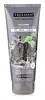
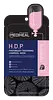
Freeman Facial Charcoal and Black Sugar Polish Mask Versus Mediheal H.D.P Photoready Tightening Charcoal Mask
This oil-control sheet mask is formulated around Adenosine and Charcoal Powder to balance excess oil.


What's inside
What's inside
 Key Ingredients
Benefits
Concerns
Ingredients Side-by-side
Sucrose
Humectant
Propylene Glycol
Humectant

Charcoal
Abrasive
Kaolin
Abrasive


Musa Sapientum Fruit Extract
Skin ConditioningNelumbo Nucifera Extract
Skin ConditioningZingiber Officinale Root Extract
Masking

Psidium Guajava Fruit Extract
AstringentCymbopogon Schoenanthus Extract
Skin ConditioningCarica Papaya Fruit Extract
Skin ConditioningMaranta Arundinacea Root Extract
SmoothingRubus Idaeus Fruit Extract
AstringentSantalum Album Extract
CleansingMacrocystis Pyrifera Extract
Skin Conditioning
Nasturtium Officinale Extract
Perfuming
Aleurites Moluccanus Extract
AstringentLavandula Angustifolia Oil
Masking



Carbomer
Emulsion StabilisingPhenoxyethanol
Preservative
Parfum
Masking
CI 77491
Cosmetic ColorantSucrose, Propylene Glycol, Charcoal, Kaolin, Musa Sapientum Fruit Extract, Nelumbo Nucifera Extract, Zingiber Officinale Root Extract, Psidium Guajava Fruit Extract, Cymbopogon Schoenanthus Extract, Carica Papaya Fruit Extract, Maranta Arundinacea Root Extract, Rubus Idaeus Fruit Extract, Santalum Album Extract, Macrocystis Pyrifera Extract, Nasturtium Officinale Extract, Aleurites Moluccanus Extract, Lavandula Angustifolia Oil, Carbomer, Phenoxyethanol, Parfum, CI 77491
Water
Skin ConditioningPropylene Glycol
Humectant
Glycerin
Humectant
Allantoin
Skin Conditioning
Bis-PEG-18 Methyl Ether Dimethyl Silane
EmollientPunica Granatum Fruit Extract
Antioxidant

Sodium Hyaluronate
Humectant

Wheat Amino Acids
Skin ConditioningNatto Gum
PEG-60 Hydrogenated Castor Oil
Emulsifying
Adenosine
Skin Conditioning
Sodium PCA
Humectant
Butylene Glycol
Humectant
Dipotassium Glycyrrhizate
Humectant
Fomes Officinalis Extract
Skin ProtectingCentella Asiatica Extract
Cleansing
Mentha Piperita Leaf Extract
Skin ConditioningOryza Sativa Extract
Absorbent
Trehalose
Humectant
Xanthan Gum
EmulsifyingCharcoal Powder
Abrasive
Disodium EDTA
ChelatingArginine
Masking
Carbomer
Emulsion StabilisingHydroxyethylcellulose
Emulsion StabilisingZanthoxylum Piperitum Fruit Extract
Skin ConditioningEvernia Prunastri Lichen Extract
Perfuming
1,2-Hexanediol
Skin Conditioning
Phenoxyethanol
Preservative
Parfum
Masking
Water, Propylene Glycol, Glycerin, Allantoin, Bis-PEG-18 Methyl Ether Dimethyl Silane, Punica Granatum Fruit Extract, Sodium Hyaluronate, Wheat Amino Acids, Natto Gum, PEG-60 Hydrogenated Castor Oil, Adenosine, Sodium PCA, Butylene Glycol, Dipotassium Glycyrrhizate, Fomes Officinalis Extract, Centella Asiatica Extract, Mentha Piperita Leaf Extract, Oryza Sativa Extract, Trehalose, Xanthan Gum, Charcoal Powder, Disodium EDTA, Arginine, Carbomer, Hydroxyethylcellulose, Zanthoxylum Piperitum Fruit Extract, Evernia Prunastri Lichen Extract, 1,2-Hexanediol, Phenoxyethanol, Parfum
Reviews
Alternatives
Ingredients Explained
These ingredients are found in both products.
Ingredients higher up in an ingredient list are typically present in a larger amount.
Carbomer is a synthetic thickening and gelling agent. It's basically the ingredient that gives a lot of serums, gels, creams, and sunscreens their smooth, non-sticky texture.
Although legally permitted at very high levels, carbomers are normally used at concentrations below 1%.
It also needs to be neutralized to actually thicken, and because it is a large molecule, it doesn't really penetrate the skin barrier.
Allergy-wise, the risk is very low. Clinical studies show carbomers have low potential for skin irritation/sensitization even at concentrations up to 100%.
A 2024 UK study patch-tested 1,302 patients and found true allergy to the parent group of carbomer to be rare with no confirmed relevant reactions.
Learn more about CarbomerParfum is a catch-all term for an ingredient or more that is used to give a scent to products.
Also called "fragrance", this ingredient can be a blend of hundreds of chemicals or plant oils. This means every product with "fragrance" or "parfum" in the ingredients list is a different mixture.
For instance, Habanolide is a proprietary trade name for a specific aroma chemical. When used as a fragrance ingredient in cosmetics, most aroma chemicals fall under the broad labeling category of “FRAGRANCE” or “PARFUM” according to EU and US regulations.
The term 'parfum' or 'fragrance' is not regulated in many countries. In many cases, it is up to the brand to define this term.
For instance, many brands choose to label themselves as "fragrance-free" because they are not using synthetic fragrances. However, their products may still contain ingredients such as essential oils that are considered a fragrance by INCI standards.
One example is Calendula flower extract. Calendula is an essential oil that still imparts a scent or 'fragrance'.
Depending on the blend, the ingredients in the mixture can cause allergies and sensitivities on the skin. Some ingredients that are known EU allergens include linalool and citronellol.
Parfum can also be used to mask or cover an unpleasant scent.
The bottom line is: not all fragrances/parfum/ingredients are created equally. If you are worried about fragrances, we recommend taking a closer look at an ingredient. And of course, we always recommend speaking with a professional.
Learn more about ParfumPhenoxyethanol is one of the most widely used preservatives in skincare (and for good reason!).
It has a large spectrum of antimicrobial activity and especially effective bacteria, yeast, and mold while only having a weak effect on your skin's natural microbiome.
On a cellular level, it disrupts the cell membranes of microbes by poking holes that make the cell leak. This shuts down the chemical reactions the microbe needs to make energy so it can no longer survive.
Another perk of this ingredient is that it stays functional across a wide pH range (3-10).
You'll often see it paired with boosters like Ethylhexylglycerin; one study showed that a 1:9 ratio of Ethylhexylglycerin to Phenoxyethanol damages bacterial membranes as effectively as doubling the Phenoxyethanol concentration on its own.
Typical use concentrations range from 0.3-1% depending on the formula, and this ingredient is capped at 1% int the EU.
Safety-wise, the fear mongering does not hold up to the evidence. The EU's Scientific Committee on Consumer Safety and FDA consider it safe as a preservative at up to 1%, including for children of all ages.
Adverse systemic effects only showed up in animal studies at exposures roughly 200x higher than what people get from cosmetics. And despite its very widespread use, this ingredient is a rare sensitizer and allergic reactions are uncommon.
Learn more about PhenoxyethanolPropylene Glycol is a synthetic, colorless, odorless liquid that has been a staple in cosmetics for decades. It is a skin conditioning agent, humectant, and solvent.
As a humectant, it draw water to the skin to reduce flaking and restore suppleness. It's also a solvent that helps dissolve other actives and keeps formulas stable across temperature changes.
The CIR Expert Panel has confirmed this ingredient to be nontoxic and clinical studies show no sensitization at cosmetic use concentrations.
True allergic reactions are quite rare: a 15-year retrospective study of 6,751 patients found only 0.31% had a positive reaction (and less than half were considered clinically relevant).
It seemed that when sensitization does occur, it's most commonly linked to topical medication (like corticosteroids) and not cosmetics. Allergic contact dermatitis also appears largely limited to individuals with underlying skin conditions.
Overall, propylene glycol is a well-studied ingredient that most people can tolerate without issue.
Learn more about Propylene Glycol


