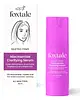
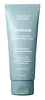
Foxtale 12% Niacinamide Clarifying Serum Versus Conscious Chemist Trubiom Pigmentation Corrector Cream
This acne serum is formulated around Niacinamide and Azelaic Acid to clear breakouts and refine the look of pores.
This brightening treatment is formulated around Niacinamide and Tranexamic Acid to fade the look of dark spots and brighten dull-looking skin.

What's inside
What's inside
 Key Ingredients
Benefits
Concerns
Ingredients Side-by-side
Water
Skin ConditioningNiacinamide
Smoothing











Hexylene Glycol
EmulsifyingPPG-20 Methyl Glucose Ether
Skin ConditioningGlycerin
Humectant
Glyceryl Glucoside
Humectant
Polyglycerin-6
HumectantAzelaic Acid
Buffering
Betaine
Humectant
Benzyl Alcohol
Perfuming






Salicylic Acid
Masking


Sorbic Acid
Preservative
Lecithin
Emollient
Lysolecithin
EmulsifyingCarbomer
Emulsion StabilisingAminomethyl Propanol
BufferingDisodium EDTA
ChelatingParfum
Masking
Water
Skin ConditioningNiacinamide
Smoothing
Tranexamic Acid
Astringent
Kojic Acid
Antioxidant

Cetearyl Alcohol
Emollient




Dicetyl Phosphate
EmulsifyingCeteth-10 Phosphate
CleansingC12-15 Alkyl Benzoate
AntimicrobialAzelaic Acid
Buffering
Polyglutamic Acid
Skin Conditioning
Betaine
Humectant
Trehalose
Humectant
Trimethylolpropane Tricaprylate/Tricaprate
EmollientHydrolyzed Milk Protein
Skin ConditioningPhenylalanine
Masking
Pantothenic Acid
Skin ConditioningAllantoin
Skin Conditioning
Oenothera Biennis Oil
Emollient
Sodium Lactate
Buffering
Morus Alba Leaf Extract
Skin ConditioningHyaluronic Acid
Humectant
Solanum Lycopersicum Fruit Extract
Antioxidant
Vetiveria Zizanoides Root Oil
Masking
Glycyrrhiza Glabra Root Extract
Bleaching
Phenoxyethanol
Preservative
Xanthan Gum
EmulsifyingBenzyl Alcohol
Perfuming
Glyceryl Laurate
Emollient
Zea Mays Oil
Emulsifying
Water, Niacinamide, Tranexamic Acid, Kojic Acid, Cetearyl Alcohol, Dicetyl Phosphate, Ceteth-10 Phosphate, C12-15 Alkyl Benzoate, Azelaic Acid, Polyglutamic Acid, Betaine, Trehalose, Trimethylolpropane Tricaprylate/Tricaprate, Hydrolyzed Milk Protein, Phenylalanine, Pantothenic Acid, Allantoin, Oenothera Biennis Oil, Sodium Lactate, Morus Alba Leaf Extract, Hyaluronic Acid, Solanum Lycopersicum Fruit Extract, Vetiveria Zizanoides Root Oil, Glycyrrhiza Glabra Root Extract, Phenoxyethanol, Xanthan Gum, Benzyl Alcohol, Glyceryl Laurate, Zea Mays Oil
Reviews
Ingredients Explained
These ingredients are found in both products.
Ingredients higher up in an ingredient list are typically present in a larger amount.
Azelaic acid is a multitasker ingredient that helps treat acne, pigmentation, and irritation. It is a great option for sensitive skin.
What makes it special?
OTC Azelaic acid is usually available in concentrations from 10-15% and anything over requires a prescription.
Here's what each tier does best:
Unlike other acids, azelaic acid will not make your skin more photosensitive/sun sensitive.
Though this ingredient is naturally occurring in grains like wheat, rye, and barley, it is usually synthetically created for cosmetics to ensure stability and effectiveness.
Learn more about Azelaic AcidBenzyl Alcohol is an aromatic alcohol with several roles: it's a preservative, solvent, and mild fragrance component with a floral scent.
This ingredient has been deemed safe for use in cosmetic formulations at concentrations up to 5%, and up to 10% in hair dyes. You'll typically see 0.5-2% in most rinse-off or leave-on products.
As a preservative, it works by disrupting the membrane of microbial proteins. This helps keep bacteria and fungi from growing in your products.
The sensitization picture is actually quite assuring as well:of nearly 71,000 patients patch tested with benzyl alcohol, only 0.21% showed a positive reaction with most of them being weakly positive.
This led researchers to conclude that benzyl alcohol cannot be regarded as a significant contact allergen.
It is worth noting this ingredient is classified as one of the EU's regulated fragrance allergens and restricted to 1% in finished products.
Labels must also declare it in concentrations above 0.001% in leave-on products and 0.01% in rinse-off products.
At concentrations around 5%, localized redness and itching can appear as a direct irritant response and not as a true allergic reaction.
Learn more about Benzyl AlcoholBetaine is a humectant. Like hyaluronic acid, it helps attract and retain moisture in the skin. It’s known for being gentle and for helping the skin maintain balanced hydration.
Betaine is mainly used to improve hydration and support calmer skin. It helps skin cells regulate water balance because it functions as an osmolyte.
Some studies suggest betaine may support making skin tone more even.
Fun fact: Betaine naturally exists in the skin and the body. In cosmetic products, it can be either plant-derived (most commonly from sugar beets) or synthetically produced for consistency and stability.
Betaine is also known as trimethylglycine.
Learn more about BetaineNiacinamide is a multitasking form of vitamin B3 that strengthens the skin barrier, reduces pores and dark spots, regulates oil, and improves signs of aging.
And the best part? It's gentle and well-tolerated by most skin types, including sensitive and reactive skin.
You might have heard of "niacin flush", or the reddening of skin that causes itchiness. Niacinamide has not been found to cause this.
In very rare cases, some individuals may not be able to tolerate niacinamide at all or experience an allergic reaction to it.
If you are experiencing flaking, irritation, and dryness with this ingredient, be sure to double check all your products as this ingredient can be found in all categories of skincare.
When incorporating niacinamide into your routine, look out for concentration amounts. Typically, 5% niacinamide provides benefits such as fading dark spots. However, if you have sensitive skin, it is better to begin with a smaller concentration.
When you apply niacinamide to your skin, your body converts it into nicotinamide adenine dinucleotide (NAD). NAD is an essential coenzyme that is already found in your cells as "fuel" and powers countless biological processes.
In your skin, NAD helps repair cell damage, produce new healthy cells, support collagen production, strengthen the skin barrier, and fight environmental stressors (like UV and pollution).
Our natural NAD levels start to decline with age, leading to slower skin repair, visible aging, and a weaker skin barrier. By providing your skin niacinamide, you're recharging your skin's NAD levels. This leads to stronger, healthier, and younger looking skin.
Another name for vitamin B3 is nicotinamide. This vitamin is water-soluble and our bodies don't store it. We obtain Vitamin B3 from either food or skincare. Meat, fish, wheat, yeast, and leafy greens contain vitamin B3.
The type of niacinamide used in skincare is synthetically created.
Learn more about NiacinamideWater. It's the most common cosmetic ingredient of all. You'll usually see it at the top of ingredient lists, meaning that it makes up the largest part of the product.
So why is it so popular? Water most often acts as a solvent - this means that it helps dissolve other ingredients into the formulation.
You'll also recognize water as that liquid we all need to stay alive. If you see this, drink a glass of water. Remember to stay hydrated!
Learn more about Water

